

Campaign Pulse Podcast @CampaignPulse_
The podcast decoding political campaigns. Strategy, research and insights from the people shaping campaigns, elections, and public opinion. campaignpulse.africa Joined October 2025-
Tweets279
-
Followers317
-
Following910
-
Likes215
Political expression, including protest action, doesn’t always translate into votes. In Episode 6 of Campaign Pulse, Dr Momar Dieng unpacks this distinction and why numbers, not just narratives, matter in political campaigns. Listen to Episode 6 now: youtu.be/fKv0nVncem4?si… Dr Momar Dieng is an expert in election data analysis and quantitative campaign strategy. #CampaignPulse #DecodingCampaigns #DefiningPower #PoliticalCampaigns #VoterBehaviour #PoliticalAnalysis

From 28 September to 2 October, @ResourceHub_HQ partnered with @UCT_news to train 27 ruling and opposition party leaders from 12 African countries at the UCT-PCRH Executive Short Course. For five days, they worked on the questions that decide elections. Each of them left with a plan built for their own party and country. Watch @IEmemobong, National Publicity Secretary of Nigeria's @OfficialPDPNig 🇳🇬 speaking at our closing ceremony. He speaks about what the week meant to him and the 3rd cohort, and he thanks the @ICPCampaigns and our Group Lead, @glenmpani, whose vision drives this programme. If your political party goes to the polls in 2027 or 2028, the decisions you make in the next twelve months will shape the result. We are inviting expressions of interest for the 4th cohort, which will run from 26 to 30 July 2027 in Cape Town. For more details, contact: [email protected] #UCTPCRH #PoliticalCampaigns #ExecutiveTraining #AfricanPolitics #CampaignStrategy #PCRH #ICPC
Intelligent campaigns understand who votes, as well as who’s missing from the picture. That's why at #CampaignPulse, we’re interested in what the data tells us about voter participation, and what it means for how campaigns understand the electorate. #PoliticalCampaigns #TheMissingVoter

Did you know International IDEA reports voter turnout fell about 10 percentage points globally between 2008 and 2023, from 65.2% to 55.5%? It matters even more when voters are missing from the data. The #missingvoter must inform campaign messaging.
What can data tell us about voters — and what can’t it tell us? On this episode of #CampaignPulse, mathematician Dr Momar Dieng explains the limits of campaign data and why linking campaign strategies directly to election results is more complex than it seems. Listen now on all major podcast platforms: whatsapp.com/channel/0029Vb… #PoliticalCampaigns #PoliticalData

Grassroots mobilisers don't give speeches, they have conversations. One voter, one doorstep, one language, one chance to listen before they talk. That is the work that actually moves a vote, and it is the work most campaigns under-train and under-fund. At Shikamo, we build it as infrastructure, not an afterthought. #GrassrootsMobilisation #CampaignStrategy #VoterEngagement #Shikamo
Most people rarely think about political campaigns. Yet a campaign is a job interview for the people who will run the country and who will decide the price of bread, whether the clinic has medicine, whether your child’s school has a teacher, and whether there is work. Every one of those is shaped by who governs, and who governs is decided by a campaign. At the @ResourceHub_HQ, we understand that campaigns are where voters meet politics: at a rally, on a door-knock, in an advert, on social media, in their WhatsApp groups, or through a promise. We work to improve the quality of that encounter, and what it delivers for voters, by building the infrastructure for professional campaigning. We have closed the gaps we keep running into in the field, and now provide: 🔹 Systems to organise and run campaigns: KampaignOS 🔹 Skills for the people who lead them: the UCT–PCRH Executive Short Course 🔹 Evidence of how campaigns really work: Political Campaigns Watch 🔹 Standards to measure campaign performance: the Global Political Campaigns Index 🔹 Knowledge that practitioners can apply: the International Political Campaigns Expo That is the infrastructure of a profession, and we are building it. Find out more → politicalhub.africa #PoliticalCampaigns #ICPC #MissingVoter #CampaignStrategy #PoliticalCommunication #PCRH #KampaignOS #PoliticalCampaignWatch #IPE27
A candidate can give a hundred speeches. A trained mobiliser has one conversation on one doorstep, and it moves more votes than the speeches do. Mobilisation strategy should start before the candidate is even announced. Here is why? linkedin.com/pulse/why-mobi… #CampaignStrategy #Mobilisation #Shikamo

How do you turn hard numbers into winning political campaign strategy? In the first episode of our special Cape Town series, Dr Momar Dieng shares his journey from mathematics to politics and unpacks how data and quantitative analysis can help campaigns understand voters, inform decisions and shape their strategies. Watch the full conversation on YouTube: youtu.be/fKv0nVncem4?si… #CampaignPulse #PoliticalCampaigns #CampaignStrategy #PoliticalData
Most of the people who run campaigns to decide who governs a country learn on the job, under pressure, and start from scratch every election cycle. We think that is backwards. At the @ResourceHub_HQ, we treat political campaigning as a profession. Here’s what we built in 2026: Training. 27 senior leaders from 15 political parties across 12 African countries, all heading into elections, completed the 3rd cohort of the UCT-PCRH Executive Short Course with the @UCT_news. Evidence. Our trained watchers filed over 500 field reports from live campaign periods in Zambia, South Africa, and Nigeria, recording how parties actually compete for votes on the ground. Standards. We held the inaugural expert convening of the Global Political Campaigns Index with @MandelaUCT. It’s the first step toward a shared benchmark for what a good campaign looks like. Tools. On #KampaignOS, we built campaign tools for party membership and voter verification, mobilisation, predictive analysis, public sentiment analysis, and election-day war rooms. We build the infrastructure for professional political campaigning because we know that political campaigns shape countries, and we believe that they should be run like it. #ProfessionalisingPoliticalCampaigns #PCRH #ICPC #PoliticalCampaignStrategy #MissingVoter
Money matters in political campaigns. 💰 Professor Steve Jarding cites a striking statistic: 92% of campaigns with the most money win. In Episode 5 of #CampaignPulse, the Harvard lecturer and veteran campaign strategist unpacks the relationship between funding, strategy and electoral success. Watch Campaign Pulse Episode 5: bit.ly/3VZc3TT #CampaignPulse #PoliticalCampaigns #CampaignStrategy #PoliticalCommunications
🗳️ Who is your political campaign not seeing? Unregistered, disengaged, newly eligible voters? Do you have all the data? The question isn't only WHO, but HOW to reach them. ⬇️ See @afrobarometer data, which informs our campaign messaging services. #Campaign #Strategy


Last week, 27 senior party leaders from 12 African countries closed out the third cohort of the UCT-@ResourceHub_HQ Executive Short Course in Cape Town on How to run and manage a winning political campaign. Every one of them is heading into an election. One question kept coming back across five days. Not how to win the voters who already show up, but what to do about the ones who don't. The parties in that room come from the very countries where the problem is sharpest. In Nigeria, 68 million registered voters stayed home in the last election. In Angola and Kenya, close to 8 million each. In Lesotho, turnout fell to 38 percent. In Senegal, nearly 3 million are missing. Even in Sierra Leone, Botswana and The Gambia, where turnout is high, hundreds of thousands still don't show up. Add South Africa's 11.5 million, and across eight countries nearly 100 million registered voters did not vote. The short course gave these leaders the frameworks and case studies to diagnose the problem. Fixing it takes a bigger room, with data experts, campaign strategists joining political parties working on the same number. That room is IPE27. The Westin, Cape Town 4–5 August 2027 Day 1: Who the missing voter is, region by region, election by election. Day 2: Why they stay away, how to bring them back, and how to redesign the campaign that reaches them from the start. The classroom was the beginning. Save the date, and if your political party is serious about the missing voter, save your seat. #IPE27 #MissingVoter #PoliticalCampaigns #Elections #Africa
Welcome to Political Campaigns Class 101 🎓 In Episode 5 of #CampaignPulse, we sit down with Harvard lecturer and world-renowned campaign strategist Professor Steve Jarding to unpack the business of political campaigns — from strategy and messaging to media, research and fieldwork. A masterclass in what it takes to build and run a political campaign. Watch now: bit.ly/3VZc3TT #PoliticalCampaigns #CampaignStrategy
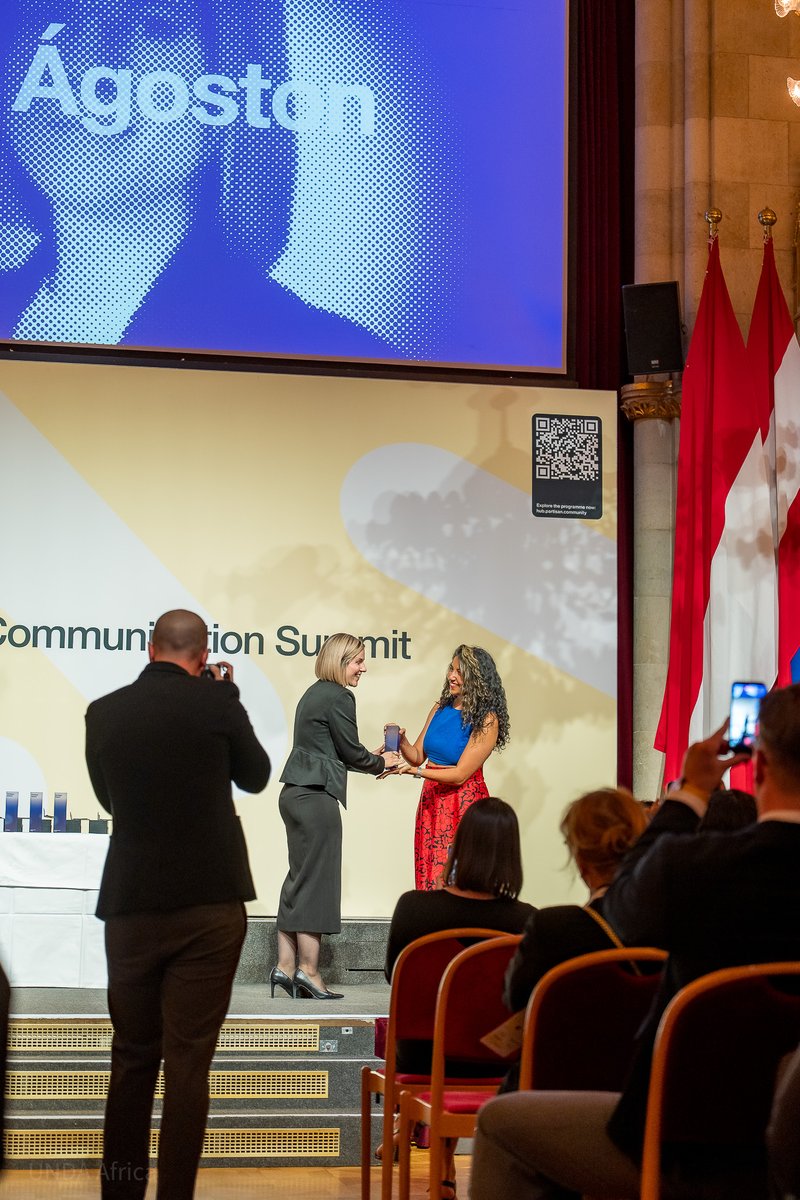
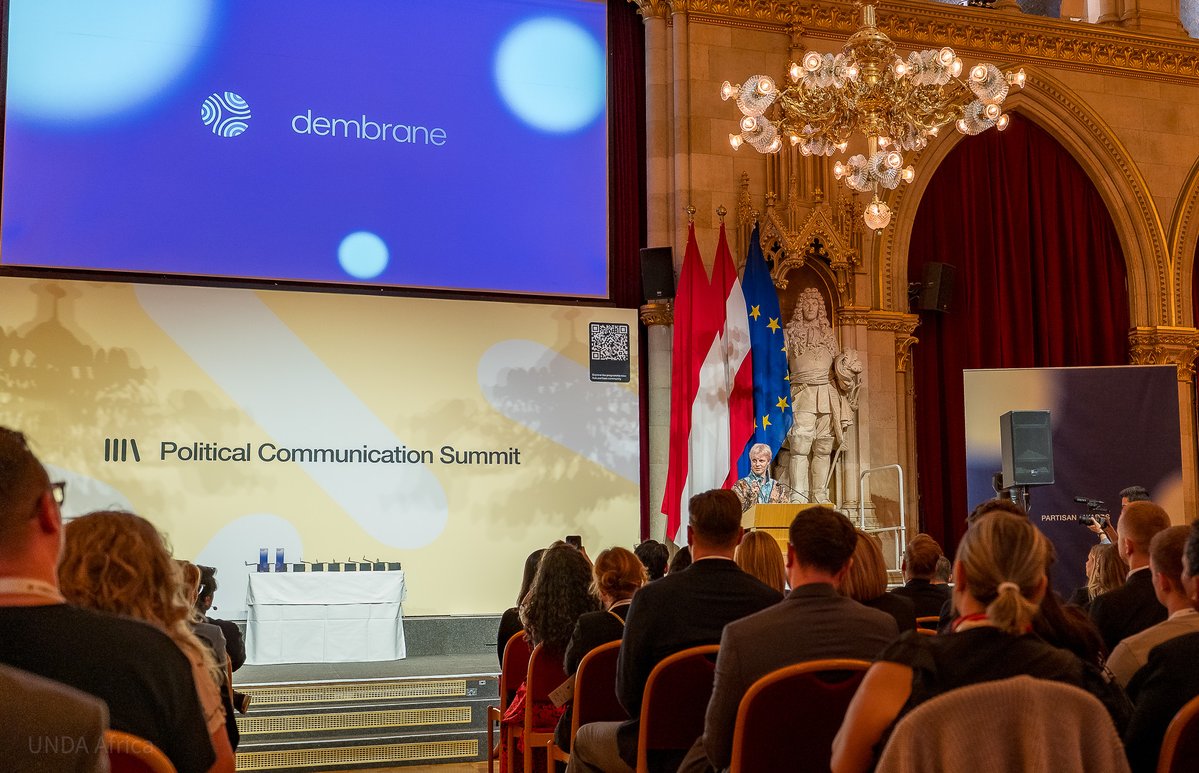
Political communication is constantly evolving and there’s much to learn from the people shaping it. Great to see our colleague @munyapol_x at the inaugural #PoliticalCommunicationsummit, connecting with practitioners and exploring the ideas, creativity and strategy driving the field. #PoliticalCommunications #CampaignPulse

Honoured to attend the inaugural #PoliticalCommunicationSummit and Partisan Awards, celebrating the creativity and strategy that make political communication truly connect. Congratulations to all winners and finalists. Great to make new connections; looking forward to day two.



A campaign should track voters who stay away from the polls, not only voters who support it. If a campaign tracks this early, it can act before an election, not scramble after one. Brazil held the first round of its presidential election on 4 October 2026. About 30 million people, roughly 21% of registered voters, did not vote. Flávio Bolsonaro narrowly beat President Lula da Silva. A runoff vote will happen on 25 October. After the result, Lula spoke to his own party. He did not blame the voters who stayed home. He said: "We have 20 days for each one to evaluate what they can do." This response showed humility. I respect that. But it raises a question I think about often: should 30 million missing voters really come as a surprise once the results are announced? The data says no. Brazil's abstention rate has risen at every general election since 2006: 18.12% in 2010, 19.39% in 2014, 20.33% in 2018, and 20.95% in 2022, the highest since 1998. If Lula’s campaign had simply extended that trend line into 2026, it would have projected around 33 million non-voters. The actual figure, about 30 million, sits close to that projection. This was not a hidden pattern. It was a visible line on a chart, available before a single vote was cast. This matters even more in Brazil than in many other countries, because voting there is compulsory for most adults. There is no large pool of unregistered citizens to explain the gap. The missing voters are registered people who chose not to turn up, which means the number was there to model directly from past turnout data, not estimated from registration gaps. If numbers had been the starting point of President Lula’s campaign strategy, rather than a figure to explain afterwards, the campaign could have forecast the scale of likely abstention, tested what it would mean for the first-round threshold, and built a turnout plan sized to that risk, months before election day. Instead, the shortfall became something to address with 20 days left before a runoff. Building turnout modelling into a campaign's strategy from day one, using historical trend data and not just this election's polling, is critical. A rising abstention line across past elections is not noise. It is a forecast, and a campaign that reads it early can plan for it instead of reacting to it. #PoliticalCampaigns #DataStrategy #CampaignIntelligence #Brazil2026


33.4 million Brazilians skipped voting the first round. The gap between the two runoff candidates is far smaller. Those missing voters are not a guaranteed bloc for anyone, but they are not lost either. Ahead of the 25 October runoff, our view at Shikamo Political Advisory and Campaign Services is that counting the missing voter is where campaigning starts, not where it ends. Targeted campaigning means finding out where voters are missing, why they stayed away, and giving them a credible reason to take part. Read the full piece below 👇 linkedin.com/pulse/finding-… #Brazil #Elections #VoterTurnout #PoliticalCampaigns

African political parties are collecting millions of member names digitally. For instance, in Nigeria, the Electoral Act 2026 made digital membership registers mandatory, and some parties are targeting 10 to 20 million members. In Kenya, 128 registered and provisional parties are recruiting ahead of 2027. But a membership roll is not a voter register. Between the two sits a gap most parties can't see: members who aren't registered, who are registered in the wrong ward, or who never turn up on election day. That gap is where the #MissingVoter starts. Across eight African countries, nearly 100 million registered voters didn't vote in their last election. KampaignOS is a purpose-built campaign membership database designed to close it. It captures and organises your members and supporters, verifies who is on the official voter register, and shows you who can be mobilised, where they are, and where your resources should go, from membership through to GOTV. Millions of names mean nothing until you know which ones can vote. Get KampaignOS. For more details, contact [email protected] #KampaignOS #MissingVoter #PCRH #IPE27 #ICPC #GOTV #PoliticalCampaigns
@ResourceHub_HQ @ShikamoCampaign @UNDAfrica @IPE_Official_ @ICPCampaigns @CampaignPulse_ KampaignOS 📊 With @ResourceHub_HQ, the right tools for a political campaign can help identify the missing voter 🧠🗳️
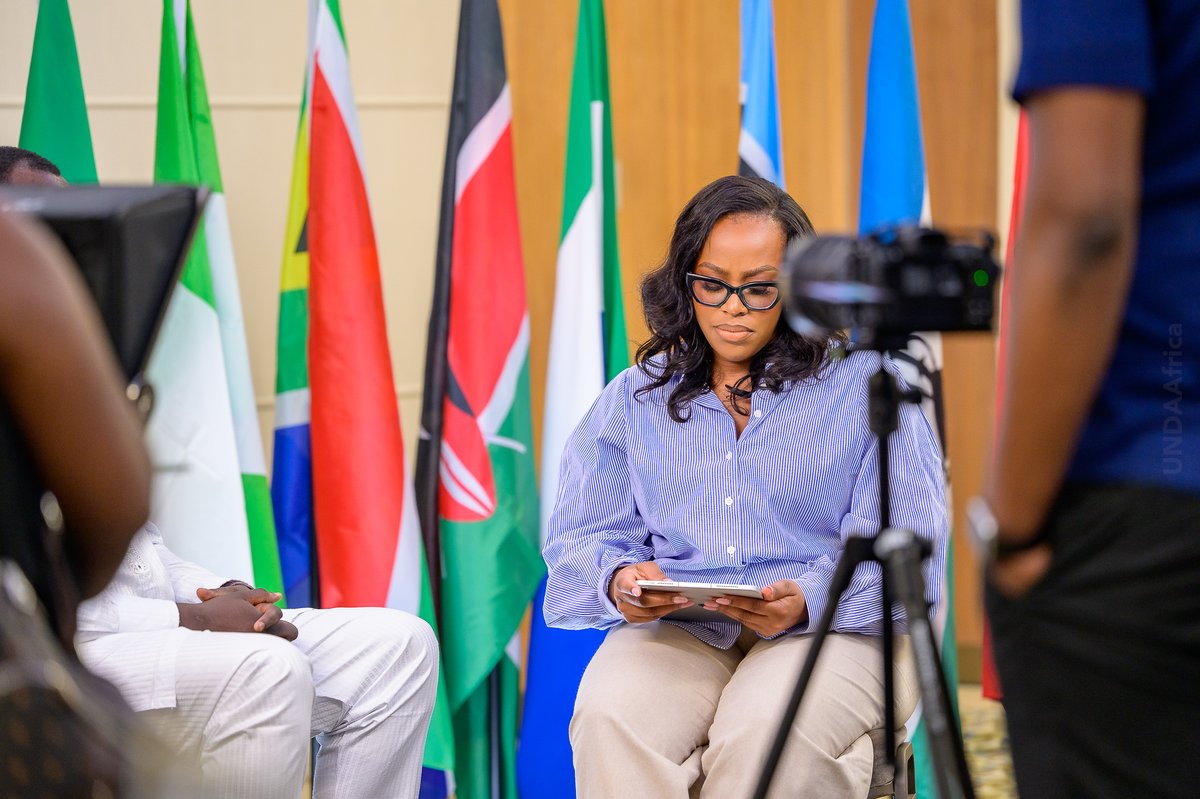
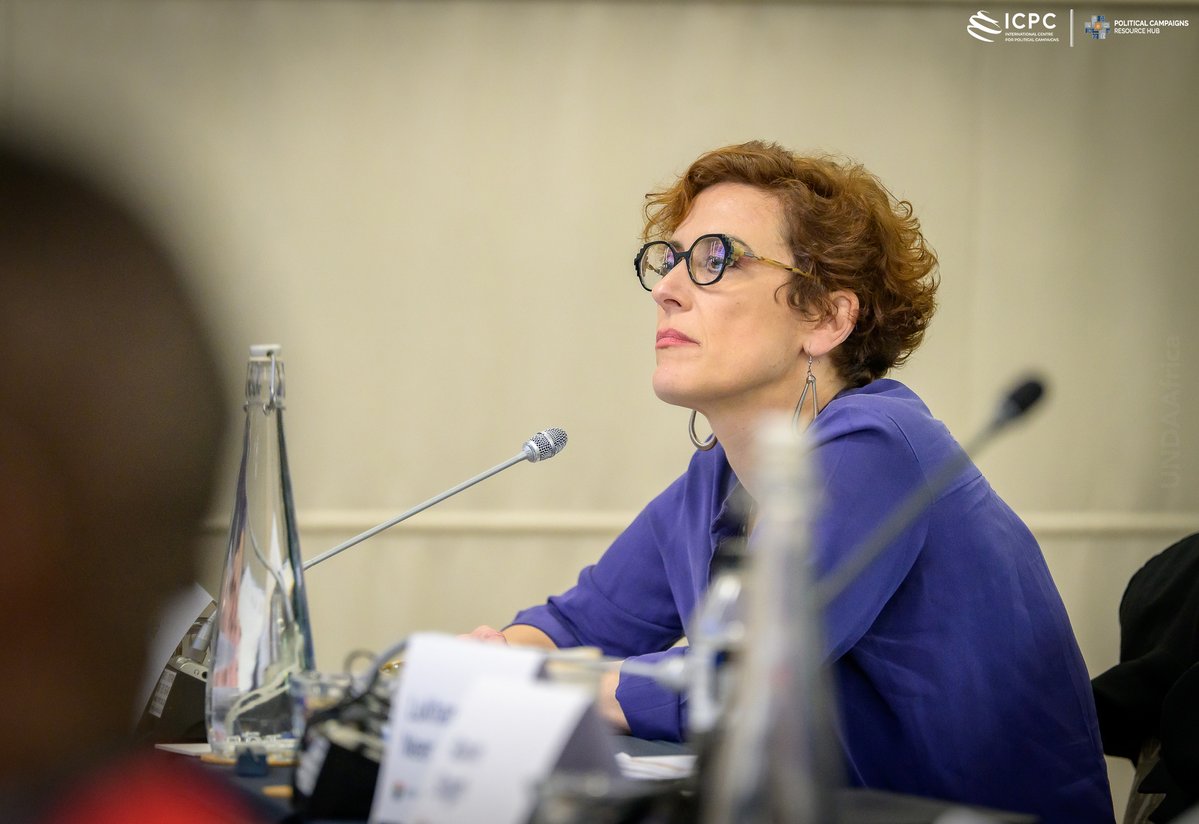
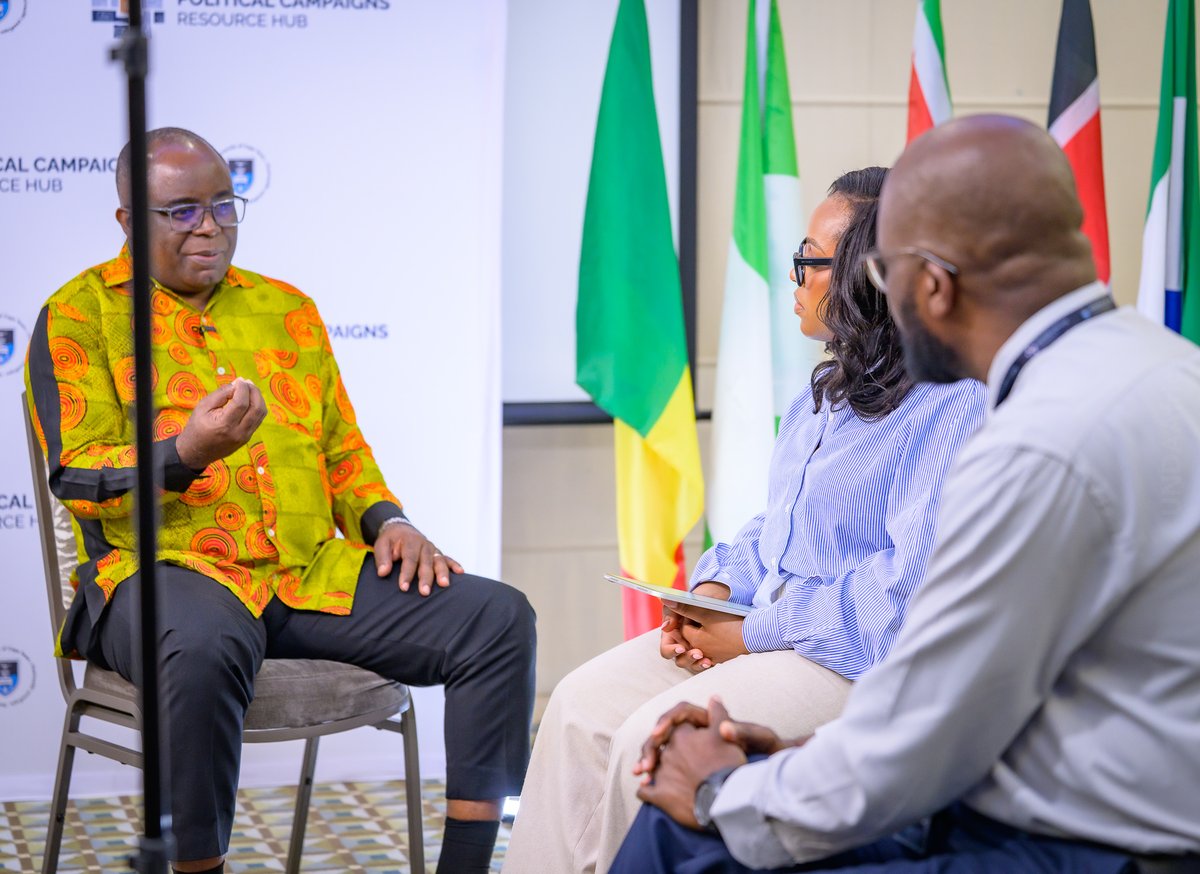
The Campaign Pulse team was in Cape Town last week for the Executive Short Course on How to Run and Manage Winning Political Campaigns, hosted by the Political Campaigns Resource Hub (@ResourceHub_HQ) in partnership with the University of Cape Town. While there, we had the opportunity to record conversations with political party officials and practitioners from across the continent, hearing directly about their experiences of campaigning, communicating with voters and navigating different political contexts. Some of those conversations will be coming to Campaign Pulse soon — bringing you closer to the people behind the campaigns and the ideas shaping political campaigns globally. #CampaignPulse #PoliticalCampaigns #AfricanPolitics #PoliticalCommunication
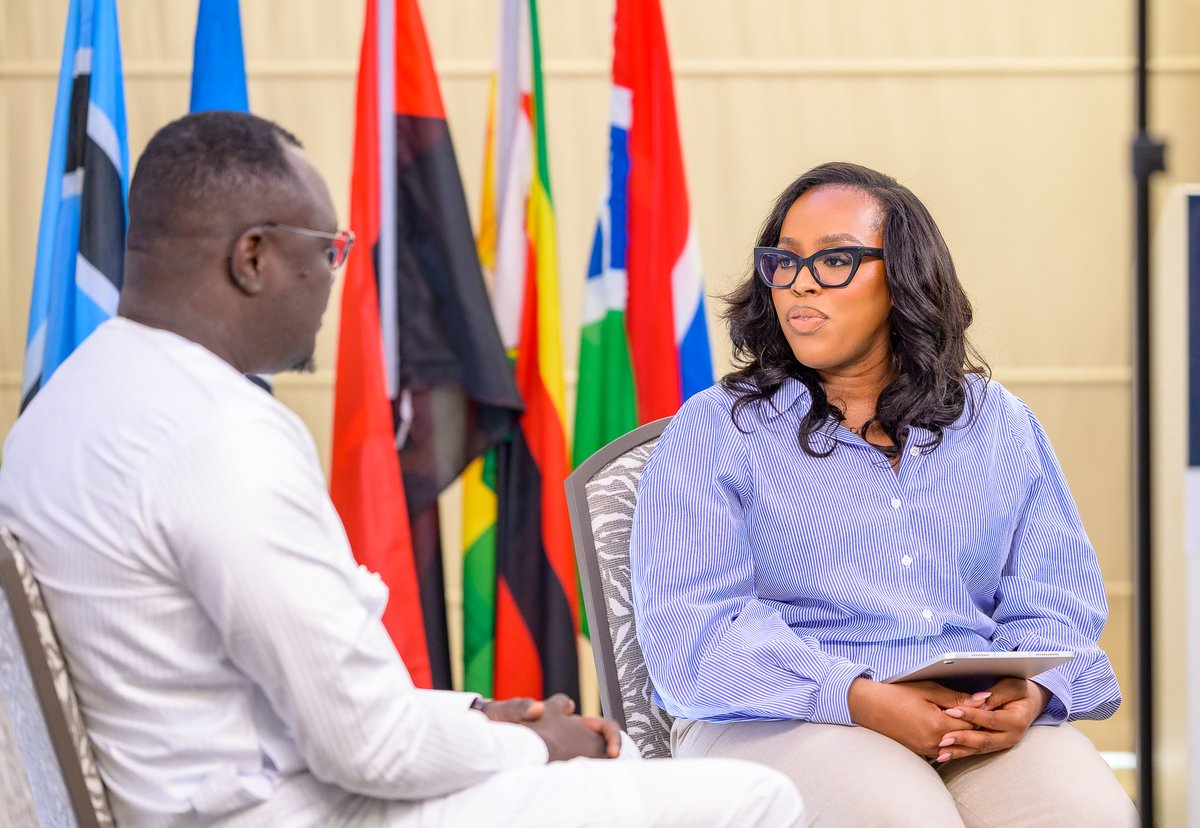
What makes a political manifesto meaningful to the people it seeks to represent? In this episode of On The Pulse, Keamogetswe Seipati from My Vote Counts (@MVC_SA) explores the importance of involving communities in the process of developing political manifestos, and what a genuinely bottom-up approach could look like. If manifestos published during political campaigns are meant to respond to the issues people face, perhaps the people should have a say in shaping them. Watch the full conversation on Campaign Pulse: t.co/xSQokegoYJ #CampaignPulse #OnThePulse #PoliticalCampaigns #PoliticalManifestos #CampaignStrategy

Nigel Mugamu 🇿🇼 @SirNige
110K Followers 10K Following | Journo | Dad | @ManUtd fan | Wine & travel | Pan African |
Elvis Garaneuta @ElvisGaran7vaEl
0 Followers 5 Following
baanetse @baanetse89
7 Followers 25 Following
Campaign For Free Exp... @_FreeExpression
829 Followers 3K Following Campaign for Free Expression is an independent, non-partisan, non-profit organisation which defends and enables freedom of expression for all in Southern Africa
Makomborero Haruzivis... @MakomboreroH
154K Followers 4K Following @ACTSA_UK Advisory Council ~ Law and Politics student @UniKent ~ @Zinasuzim Secretary General 2015-2017 ~ @SAHRDNetwork Human Rights Defender of the year 2021.
Unathi Masonwabe Nolu... @NdinguUnathi
4K Followers 3K Following Becoming ALL that God says I Am❣️Media: Content. Empowerment. African Development 🌍. Leadership❤️🔥.


Madhu Kumar @smkmadhukumar07
63 Followers 539 Following Citizen of INDIA 🇮🇳 | Political Junkie | Traveller | Observant
🇿🇦 @Protect_SAnow
2K Followers 5K Following Patriotism is not short, frenzied outbursts of emotion, but the tranquil and steady dedication of a lifetime

Kemo Bojang 🇬🇲 @kemo_bojang
26K Followers 3K Following Legislator, YALI, MWF, McCain, NDI PPSA Fellow. Businessman, Dev/Policy. Co-Founder, Deputy Party Leader & Spokesperson of UNITE Party Gambia.
Henry Masuku @Siphiwehenryy
4K Followers 3K Following Young Builders Movement|Committed to building One South Africa|@BuildOneSA|Healing|Peace ✌🏾
One Vote @one_vote_za
0 Followers 14 Following
Sir Mqu 🖤 @visual_mqushulu
6K Followers 7K Following Please don't attack me, andina Tata 😭🙏🏿 futhi zange ashiye nelifa.
Khazamula @khazamula__
478 Followers 857 Following
Bontle @GerminahMB
7K Followers 3K Following

Miranda ✨️ @MirandaevaM
29K Followers 23K Following ❤🕯♈ | IT & Computer Science 🎓|Lifestyle| Food & Women Lover 😌


Gorata ✨ @Faithfully_2
10K Followers 10K Following Content Creator | Beauty, Lifestyle & Self-Care Spotlight Helping women feel confident everyday ✨ | PTA 📩 Collabs
TᕼE GYᗩᒪ༒ @TheGyal_
63K Followers 10K Following 𝐌𝐞𝐝𝐢𝐜𝐚𝐥 𝐋𝐚𝐛 𝐒𝐜𝐢𝐞𝐧𝐭𝐢𝐬𝐭 • 𝖢𝗈𝗇𝗍𝗋𝗈𝗏𝖾𝗋𝗌𝗂𝖺𝗅 𝖺𝗇𝖽 𝖨 𝖼𝖺𝗋𝖾 𝗅𝖾𝗌𝗌
MaKhoza❤️ @lungelo__k
11K Followers 2K Following Digital Creator ✨ Lifestyle • Beauty • Fashion • Entertainment Authentic content | Brand Campaigns | Reviews 📍SA 🇿🇦 📩 https://t.co/j6rRiHFhkH
MOTASE @TheRealMotase
36K Followers 19K Following A beautiful Aquarius ♒️ living with Alopecia ❤️SPreading self love💅 and acceptance 💖 #MotaseDataGiveAway #TelkomIsMyFriend💙
Don't Stop Praying �... @Motoholo
6K Followers 4K Following Digital Marketing Dynamite... different days, same God❤️
M a l i n d y💅 @Malindy__
89K Followers 73K Following I'm not heartless. I just learned to use my heart less!💅🌠#TelkomIsMyFriend💙

Fifth Nation🇿🇲 @ClenchFyve
267 Followers 4K Following i was born this way so take me as i am, don't judge me. i was born to be awesome not perfect.. Email: [email protected]
Shoeshoe Qhu 📻 @ShoeshoeQhu
11K Followers 11K Following CEO @MddaMedia • Development and Diversity • Sustainability • Emerging Technology •Nkoe • Chief Coffee Drinker ☕️ • Rakhali • Student 📧 [email protected]
B'Flow Edutainment @bflowmusic
173K Followers 14K Following President—Zambia Association of Musicians || Dads Without Dads Podcast host || Official United Nations SDGs Champion 2025-2027 || YALI @WashFellowship 2015 ||
Africa future farmers... @Africafuturefa1
737 Followers 7K Following Africa future farmers is an NPO geared towards empowering and educating young people aged 9 to 18 by feeding and educating them through farming practices.
Emmanuel Devine Nyaku... @DevineNyakudya
3K Followers 5K Following Jesus Inside | Quantity Surveyor | Emerging Human Rights & Social Justice Advocate | Political Economy and Industrialism Enthusiast| Leadership Student
Zahira Grimwood @Zahira_Grimwood
128 Followers 893 Following Political Communications Advisor at UNDA Africa Website - https://t.co/wlhFq4TH0p LinkedIn - https://t.co/y1rj8m2DBC
Mary Peltola foot sol... @RBSalt
1K Followers 976 Following Black American | formerly Robert Smalls Stan | donate : https://t.co/xPXNed72go |


RET ARE THIEVES @malalaveve
3K Followers 2K Following
DB59 @DandaniB
42 Followers 2K Following Digital Entrepreneur, Founder and Creator. I play at the intersection of technology, art and design.
My Vote Counts @MVC_SA
5K Followers 724 Following Deepening South Africa’s democracy by advocating for accountability, transparency and people’s power.
KRZYSZTOPHER NEKONGO ... @CnekongoNekongo
990 Followers 5K Following Principal/ Property consultant @Christopher Real Estate Services cc Converting transactions into relationships. BUY• SELL• LEASE • INVEST
Aaliyah Vayez @aaliyahvayez
715 Followers 525 Following Political busybody | Previously @Commonwealthsec @LSEIRDept & @UCT_news @KAS_southafrica
Dr. Dr. Moses Tofa. @DrDrMTofa
1K Followers 2K Following PhD Peace Studies (UKZN), PhD Politics (UJ), MA Int Peace & Security (King's College), MSc Int Relations & BSc Politics (UZ). Join Us Campaign Founder, Fighter.
Nobuntu Hlazo-Webster... @NobuntuSA
7K Followers 3K Following Member of Parliament 🇿🇦 | Co-Founder & Deputy Leader: @BuildOneSA | Joburg Mayoral Candidate | Founder @sa_womenscom
Clement Agyemang @AgyemangCl
49 Followers 339 Following
Bruce Taylor @BruceTa71673746
100 Followers 1K Following Husband, Father, Farmer, Community Development, Resettlement, Livelihood and Social Entrepreneurship Specialist - ACTION SA
Ngarii 🇳🇦 @Tjejamba
486 Followers 2K Following “In a society where the majority choose charisma over character, democracy does more harm than good to the actual progress of that society” ― Abhijit Naskar

ottilie ndinelao hait... @NHaitota89662
94 Followers 57 Following MP🇳🇦🇳🇦Deputy Shadow Minister of Urban &Rural Development Former LA Councilor of Ongwediva Town
Michael Mulunga (MP) @gorobamul5
280 Followers 504 Following
Coach Ennie ~ Career,... @EnnieChipembere
18K Followers 10K Following Certified Career Coach; Life Coach; Leadership Coach. Team Building Facilitator; Learning & Development Expert. NGO Institutional Development Consultant @ECLC🔥
William Bird @Billbobbird
14K Followers 5K Following Director of Media Monitoring Africa, Ashoka and Linc Fellow, love monitoring and analysing media. Also love data and data journalism
Tumisho Masha @TumishoMasha
140K Followers 844 Following Actor|MC|Producer|Storyteller|Entrepreneur| These views are my own | Bookings: [email protected]
International Centre ... @ICPCampaigns
72 Followers 50 Following The International Centre for Political Campaigns governs full political campaign ecosystems through four focused entities. We engineer winning campaigns.
Rraagwe Omaatla @akanyangm
201 Followers 365 Following VERY SHY | QuestionIST | Law Lover | 1KM - 4:28 | 5K - 25:21 | 10KM - 52:52 | 15KM - 1:24:00 | 20KM - 1:52:10| 21KM - 1:59:10 | 30KM - 3:31:11 | 42KM - 4:37:21

uFitMasocha @HASafaris
3K Followers 3K Following Your Fitness Guy.... CEO/Chief Trainer at https://t.co/KHBe66q8E2 🏋🏾♀️🏋🏽♂️🤼♂️🤼🏾♂️ Co-founder: https://t.co/ky83SMgRu6
Msunu ka Mkhonto Wesi... @MatencheGodfrey
3K Followers 2K Following EFF MEMBER IN GOOD STANDING. FOOLS ARE BLOCKED 🚫
Sentletse 🇿🇦�... @Sentletse
325K Followers 3K Following Custom Furniture | Interior Design | Interior Decor

Happy Alice @stellatjienooi
3K Followers 5K Following
Tebogo Mokubung @TebogoMokubung1
12K Followers 11K Following Data & Privacy Risk ⛏UNISA🎓Marathon Runner(13 Comrades-PB 07h06:07)🎖50km-3:30, 42.2km-2:41, 21.1km-1:12, 10km-34min & 5km-16min🏅. Vintage Cars Enthusiasts🚗
✊ P For Patriot✊�... @TrueAlkebulan
2K Followers 2K Following We don't want EFF! We don't Need EFF! Protect Our Sovereignty! 🇿🇦South Africa First🇿🇦 🇿🇦 If you unfollow me, I will unfollow you!
Lebogang Shovhote @LeSho2025
314 Followers 68 Following Patriotic 🇿🇦 Activist ✊ Views are my own and has nothing to do with my employer.

Monwabisi Kete 🇿�... @MonwabisiKete
41K Followers 41K Following Africa has a future. 🇿🇦🌻 #OrlandoPirates ️ #OnceAlways

Tazo @TheLifeZoomer
20K Followers 18K Following 🇿🇼 → 🇳🇿 → 🇦🇺 Calm logic. Sharp humour. No noise. Breaking down bad takes with perspective 😅 Principle is principle.
Eskay @eskay897
3K Followers 6K Following Proudly Zimbabwean | Tax Professional | Opinions are my own |Thought Leadership|Democracy Advocate|Human Rights Defender|Manchester United | Caps United
Your Vote Matters @1961force
4K Followers 5K Following People shall govern!!! Marxist lenist, Politics 101.

Senzo Ndlazi @sndlazi
39K Followers 37K Following
Paula Slier @PaulaSlier
22K Followers 414 Following International Journalist | Keynote Speaker | Modern Conflict, AI & the Battle for Truth | War Correspondent
Qhawe Mene 🇿🇦 @Qhawekazimene
2K Followers 774 Following A Pan-African contributing to Africa’s development agenda through infrastructure, transport, and water & sanitation initiatives
Mbongiseni Mazibane @mbong__seni
626 Followers 582 Following
Lawrence Manaka -RISE... @Lawrence_Manaka
1K Followers 1K Following Patriot 🇿🇦| GauProvLeg Researcher @rise_mzansi|MEC @vuyiswaramokgop digital comms| Batho Pele❤️🇿🇦 #YouthPower| #WeNeedNewLeaders
Karabo Mokgonyana (Sh... @K_Mokgonyana
4K Followers 3K Following PhD Candidate | Energy, Green Industrialisation and Public Development Finance in Africa 🌍
. @naledimashishi
51K Followers 4K Following Reporter @DailyMaverick. M&G 200 Young South African 2022. Horror nerd and author of ‘Invisible Strings’. Views my own.
Dimpho Lekgeu @DimphoLekgeu
1K Followers 917 Following Following Jesus. Telling stories. Asking better questions. Host of @CampaignPulse_

Ntauleng @ntauleng
2K Followers 2K Following I have done so many mistakes in this lifetime, hopefully in the next one I will have a delete button to delete my mistakes.
Danny Nel @magicdan60
25K Followers 24K Following Agricultural economist, networker, artlover, philosopher and holistic life coach. Where will we look? This is it! The truth will set us free. Suid Afrika Bo!
THE CHAIRMAN❤️�... @AFighter80244
3K Followers 7K Following ❤️💚🖤EFF member in good standing I AM BECAUSE WE ARE🇿🇦 IS'HLALO MADODA😎

THE HELP YOU NEED! @mncedisi47
76 Followers 140 Following Living the hard life easy, the lord is my sherpad!Not on X for followers.
Koena @KoenaKganyago
466 Followers 505 Following
Luvo Ntlonze @Luvo09111567
537 Followers 900 Following
🇿🇦TheGreatDlami... @Phislash
126K Followers 29K Following Perfume Enthusiast| Views expressed are my own. To view our perfume catalog, click on the link below. DM or text 0794530024 to place orders.
Mpho🌸 @msmonakhisi
16K Followers 12K Following HR professional l Patriot | Life in general, a little bit of this and a little bit of that | Blessed
#32Chainz🤴🏾 @ragnar_alwyn
31K Followers 4K Following || Your Not-So-Average Zimbabwean Creative 🇿🇼 || Graphic Designer 👨🏾💻 || Founder/CEO @thedukezw || MSU Allumni 🎓 || Music 🎵 || Writing ✍️ || Wine 🍷 ||
ᗩl wᗩdᑌd_tᕼe ... @_MakdShelby
105K Followers 12K Following 👨🎓M.S.U Class of 2018 🧠Mental H.P ,Social Worker : Content Creator 🐐💪Football Social Commentary#LFC 🔴YNWA #PanAfricanist . Carol's Husband💍24/08/25 💐
Late-Cummer @DillenMasawi
88K Followers 25K Following Eat sleep breath cars (JDM🔰) . Social worker. Tweets do not reflect the views of my employer(s). Matipaishe’s dad❤️
Leone Solutions @Leone_Solutions
31K Followers 6K Following Suppliers of 100% Stone Cladding | Torch On Waterproofing Membranes | Bitumen Primers | Silver-coat Paint Call/WhatsApp +263 71 299 5474 or +263 77 261 4363
MALAWIAN CHILD🇲�... @JulioMulenga
64K Followers 33K Following Need a promo?DM is open|Agribusiness Management 🎓 |Social Media Management| 2023_24 FA & Carabao Cup Champ🏅 |that's my WhatsApp link down there👇


Dandaro Online @DandaroOnline
81K Followers 13K Following Dandaro Online is a one-stop Social Media Platform for Zimbabweans 🇿🇼 https://t.co/cYTwWjSLzD WhatsApp +263 779 219 677
Makomborero Haruzivis... @MakomboreroH
154K Followers 4K Following @ACTSA_UK Advisory Council ~ Law and Politics student @UniKent ~ @Zinasuzim Secretary General 2015-2017 ~ @SAHRDNetwork Human Rights Defender of the year 2021.

Phakamile Dube @pkay_young
14K Followers 6 Following Actor | Model | Entrepreneur | Promoter 🎬 TV • Film • Commercials 📍 Johannesburg, South Africa 🌍 Building Beyond BordersYou might like


















