

Complex Flows @ComplexFlows
Fluid Dynamics, Mathematics, Physics Joined July 2026-
Tweets27
-
Followers0
-
Following9
-
Likes12

How do bacteria build their flagella? We’ve put together an animation of Salmonella flagellum assembly based on cryo-EM and X-ray structures. From the membrane-embedded machinery to the growing filament, here’s how the parts come together, step-by-step.
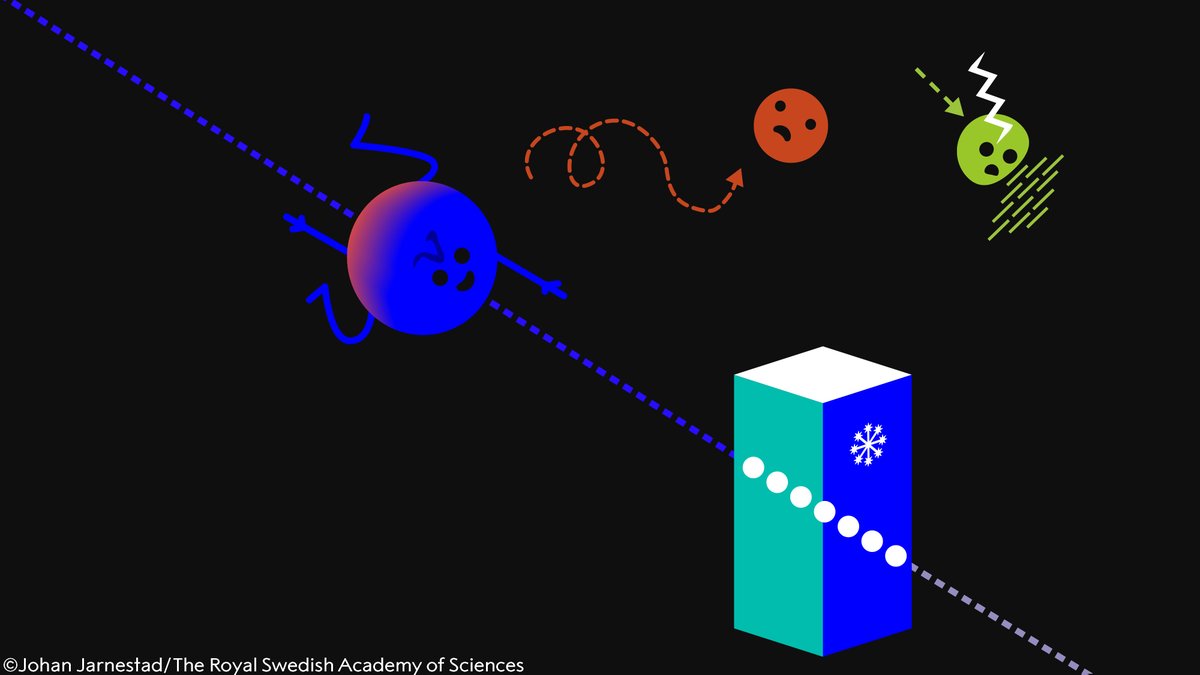
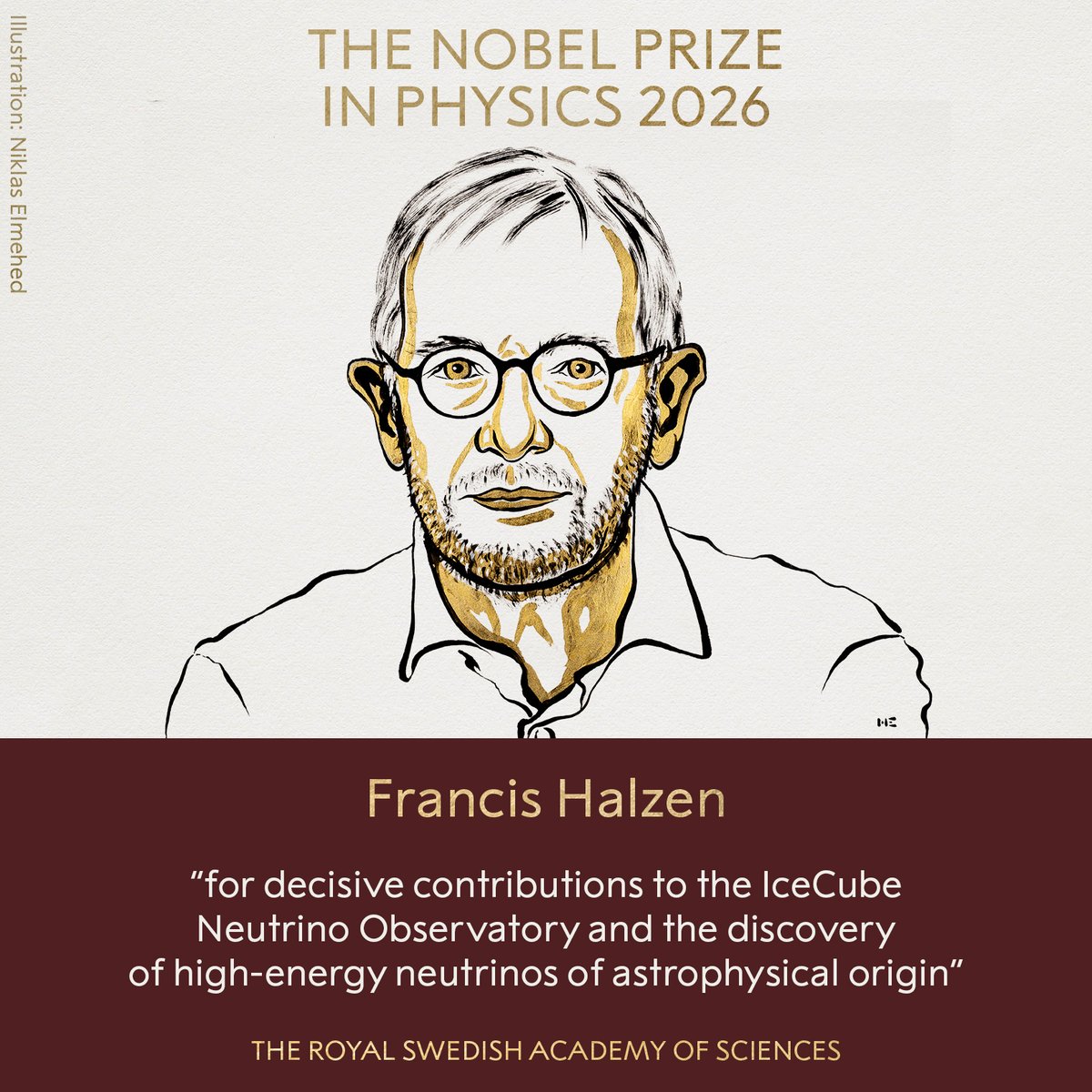
Cosmic neutrinos with extremely high energies are very rare, so an enormous volume of ice is needed to observe an adequate number of collisions. The IceCube Neutrino Observatory covers an entire cubic kilometre and was finished in 2011. Researchers soon discovered the first high-energy neutrinos and, a few years later, could publish their discovery of neutrinos that must originate far outside our solar system. The search for the universe’s neutrino sources could begin in earnest. Francis Halzen has received the 2026 #NobelPrize in Physics for his decisive contributions to the IceCube Neutrino Observatory and the discovery of high-energy neutrinos of astrophysical origin.
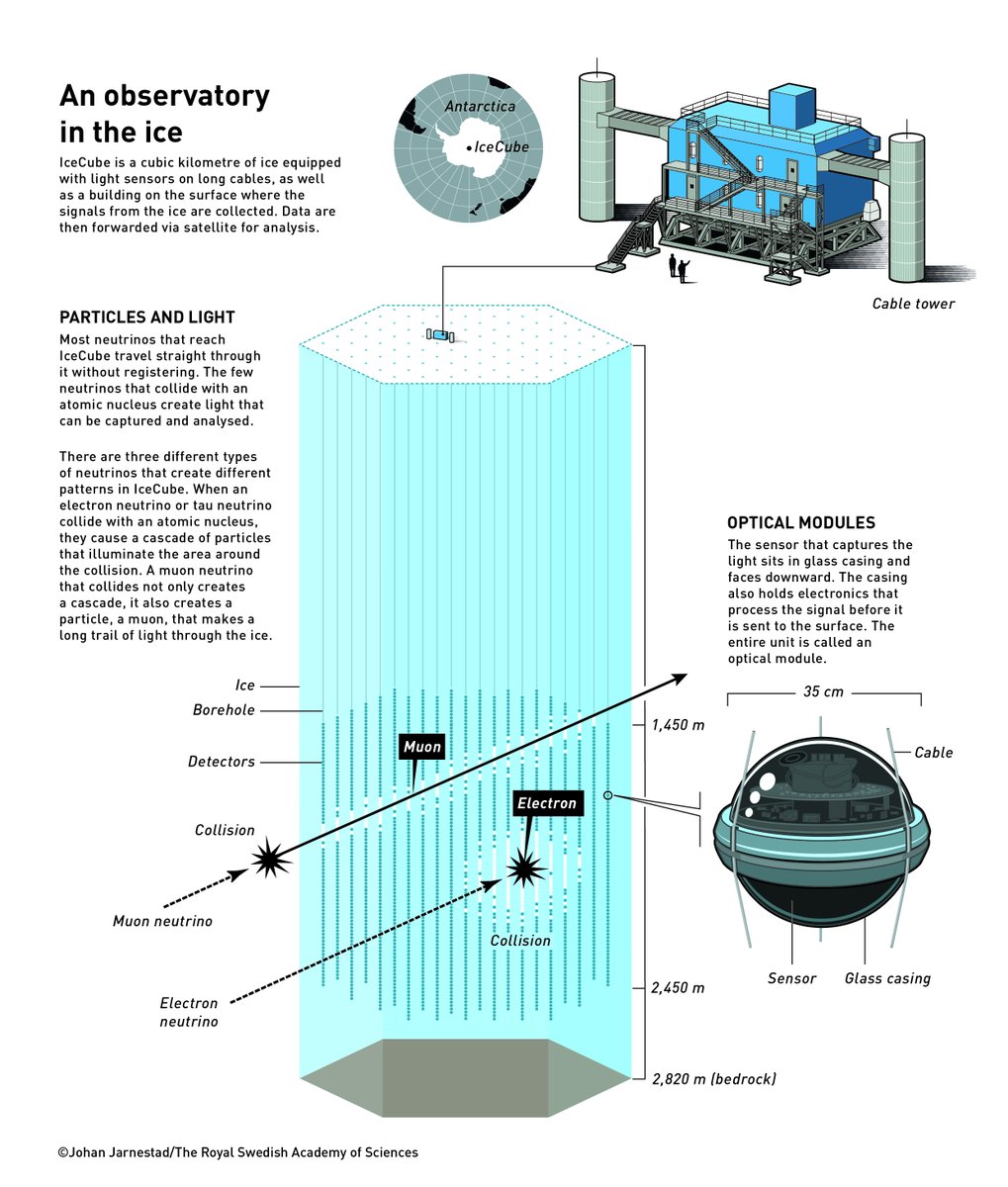
2026 physics laureate Francis Halzen realised that ice at the South Pole could be used to track particles known as neutrinos. His vision and scientific leadership have been fundamental for the IceCube Neutrino Observatory – a cubic kilometre of ice that is equipped with light sensors. Using IceCube, researchers can capture neutrinos from extremely energy-rich processes in the distant universe. #NobelPrize
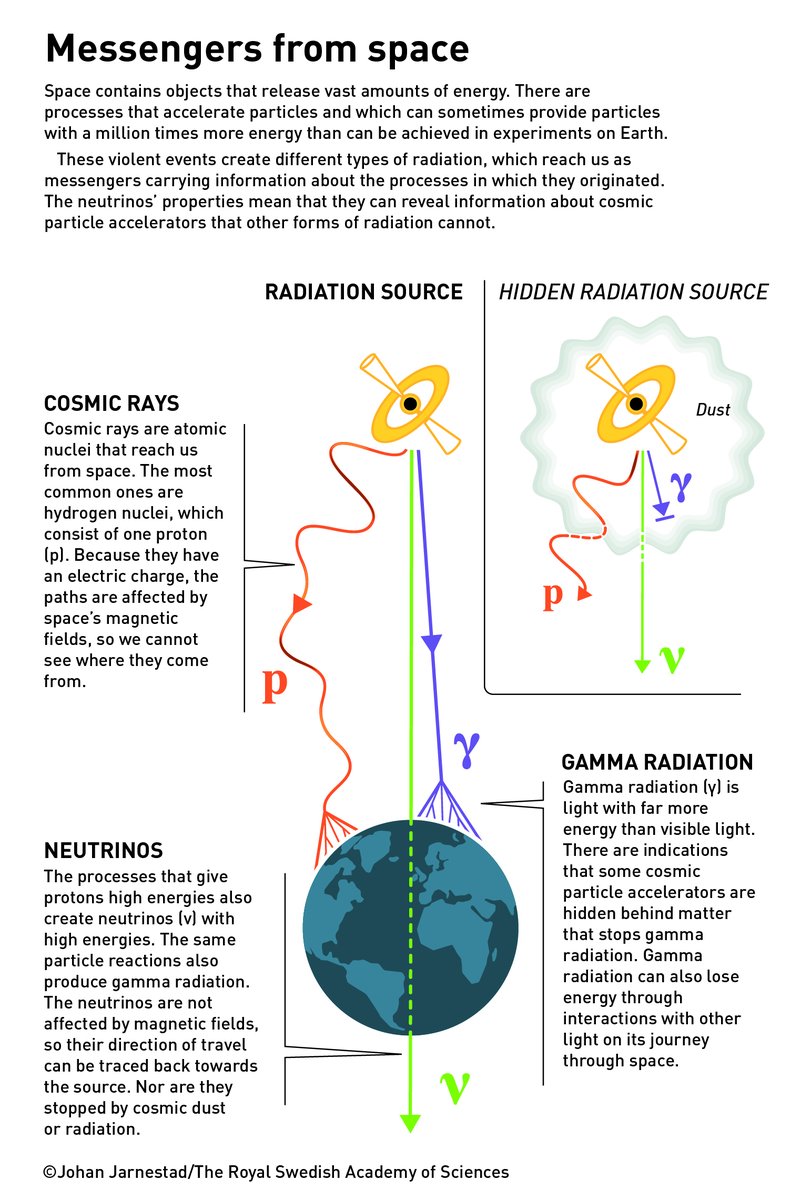
Scientists have long known that the cosmos contains natural particle accelerators, which fire out particles with energies up a million times more than can be achieved in laboratories on Earth. Much about these sources is mysterious: what are they, where are they, and what are the main processes inside them? Neutrinos with extremely high energies are created in the same environments as other types of particles. However, unlike other particles, neutrinos reach us without changing direction or losing energy. This means they can provide information that is not available in any other way. Newly awarded physics laureate Francis Halzen first presented his vision for capturing neutrinos at the South Pole in 1988. When a neutrino collides with an atomic nucleus, it produces a flash of light that can be tracked by sensors in the clear glacial ice. The South Pole’s ice has many advantages, as it is free from various types of interference and the area is geologically stable, with no earthquakes. Halzen and his idea soon gained the support of other researchers and, just a few years later, preliminary testing was conducted on sensors in ice. #NobelPrize
BREAKING NEWS The Royal Swedish Academy of Sciences has decided to award the 2026 #NobelPrize in Physics to Francis Halzen “for decisive contributions to the IceCube Neutrino Observatory and the discovery of high-energy neutrinos of astrophysical origin.”
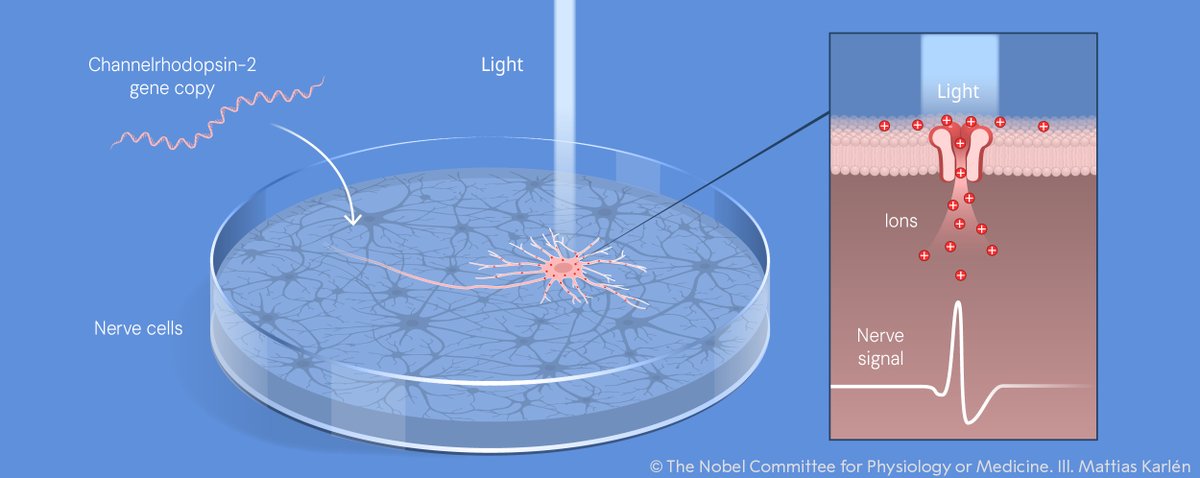
This year’s medicine laureate Karl Deisseroth transformed the protein channelrhodopsin into a light-controlled switch for nerve cells. Deisseroth introduced the gene for channelrhodopsin into nerve cells from rats. By illuminating the cells with blue light, he was able to trigger a nerve signal. He published this breakthrough in 2005. Two years later, he made this light-controlled switch for nerve cells work in the brains of living mice. #NobelPrize
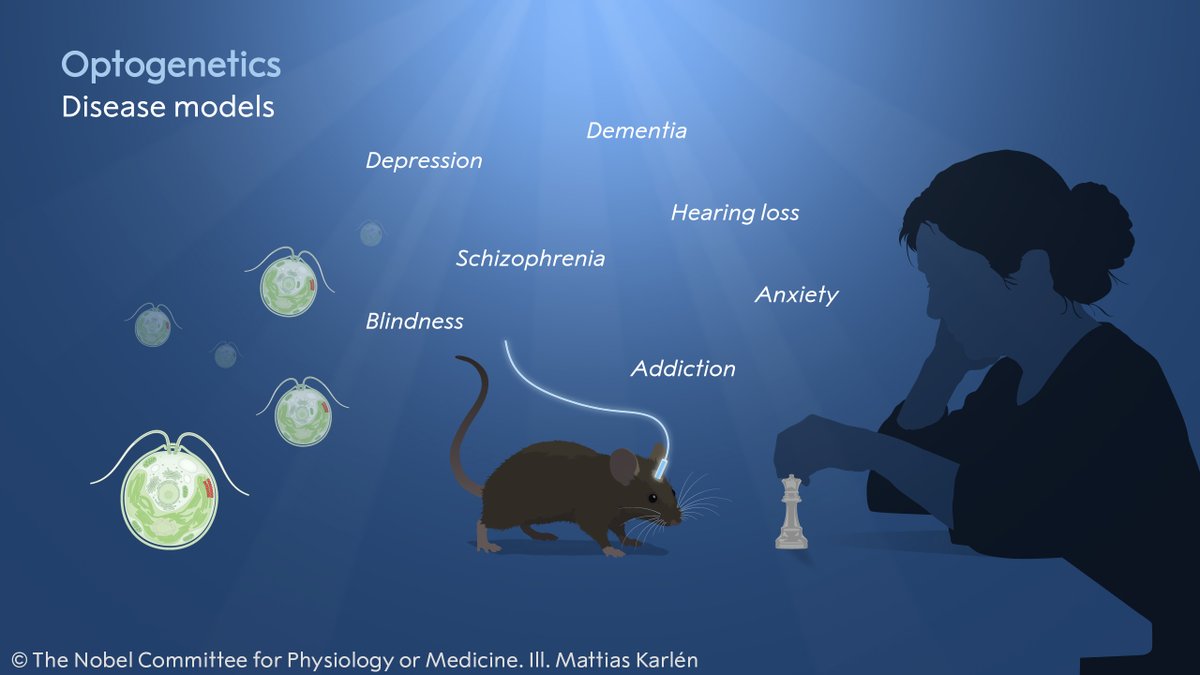
The 2026 #NobelPrize laureates in physiology or medicine have laid the foundation of a new era in neuroscience. Using optogenetics, researchers have been able to reveal neural circuits governing specific memories, feelings, and behaviours relevant for neurological and psychiatric disorders. In clinical medicine, researchers are using the method in attempts to restore sight in people with visual impairment. Optogenetics has fundamentally altered our understanding of the brain. Every day brings new discoveries, helping to solve one of humanity’s great mysteries: how our incredible brain works.

Major discoveries—including the role of DNA, the biological basis of psychology, and the human genome—missed out on the Nobel Prize in Physiology or Medicine. Learn more: scim.ag/3VpOIKU
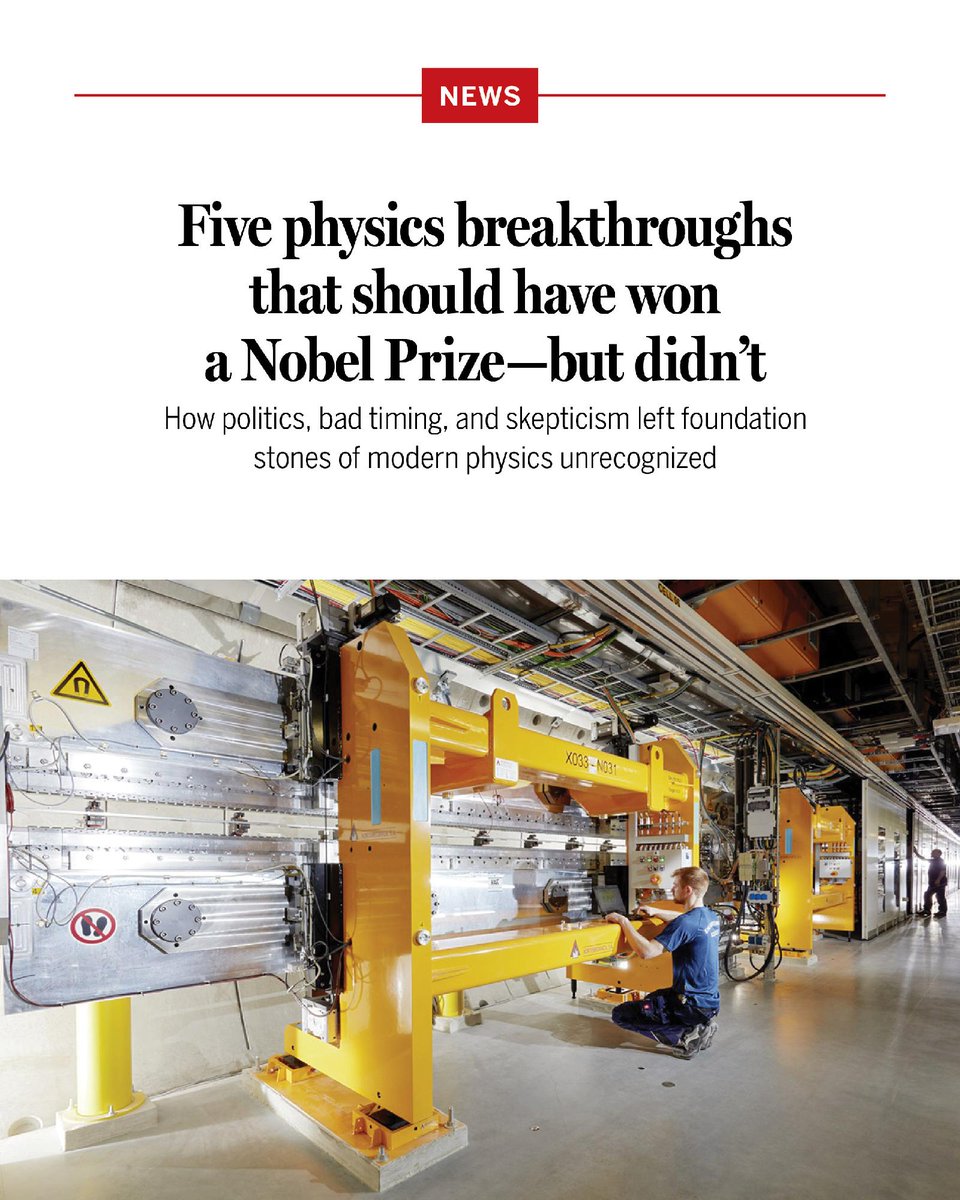
Next week, the Nobel Prizes will raise a handful of scientists to global, if fleeting, fame. Since the Nobels were first presented in 1901, the physics prize has honored advances ranging from the discovery of the electron and the development of quantum mechanics to the detection of gravitational waves and the modeling of climate change. There’s no doubt the prize has identified momentous achievements. Still, when looking back on the physics awards, it’s clear they have missed some of the most important discoveries in the field. In fact, for various reasons, several foundational concepts in modern physics were never honored with a Nobel. Here is a list of five seminal developments in physics that did not earn a Nobel Prize—at least, not yet—in increasing order of obviousness: scim.ag/4dj1uB4
Would’ve blown your mind as a kid, before you learned about drag forces. m.youtube.com/watch?v=E43-Cf…
Do you think AI will ever make a discovery worth of a Nobel Prize? go.nature.com/4iOvEQg

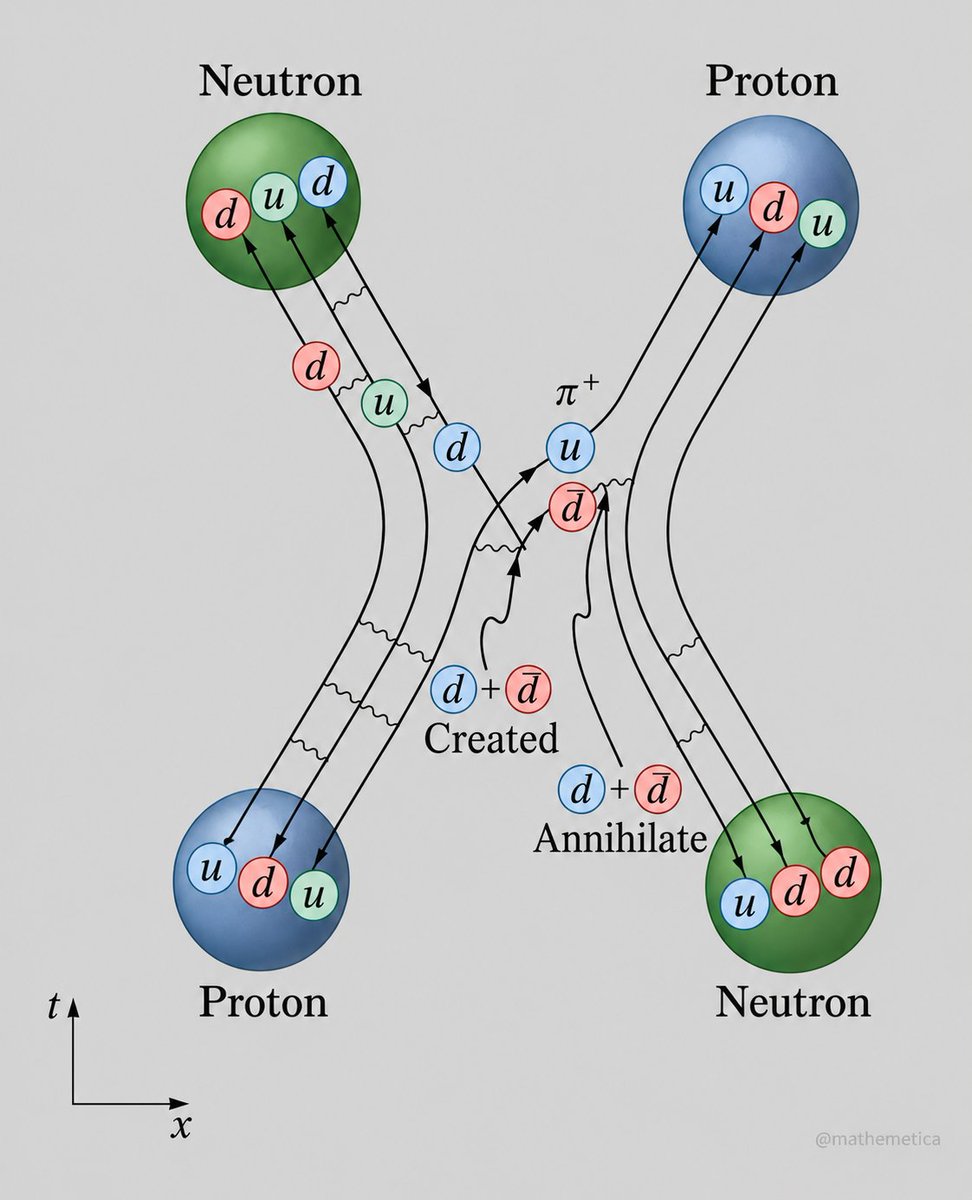
Matter doesn't just collide; it rewrites its own fundamental code. In strong interactions, a proton (uud) and neutron (udd) swap identities. A proton spawns a d + d̅ pair, ejecting the d̅ with a u quark to emit a π⁺ meson, becoming a neutron. The target neutron absorbs this π⁺. A d quark annihilates with the incoming d̅, absorbing the u quark to emerge as a proton. Reality is bound by this elegant, endless exchange of existence.
Beautiful article about math and AI by Dan Rockmore. The connection to art and photography via Walter Benjamin was very fresh -- definitely worth reading, even if you're tired of reading about math and AI.

“What we are witnessing is a spectacle of computational power staged to acquire market share, and with it control of a landscape that extends well beyond mathematics.” —Dan Rockmore go.nybooks.com/4hzk2OK
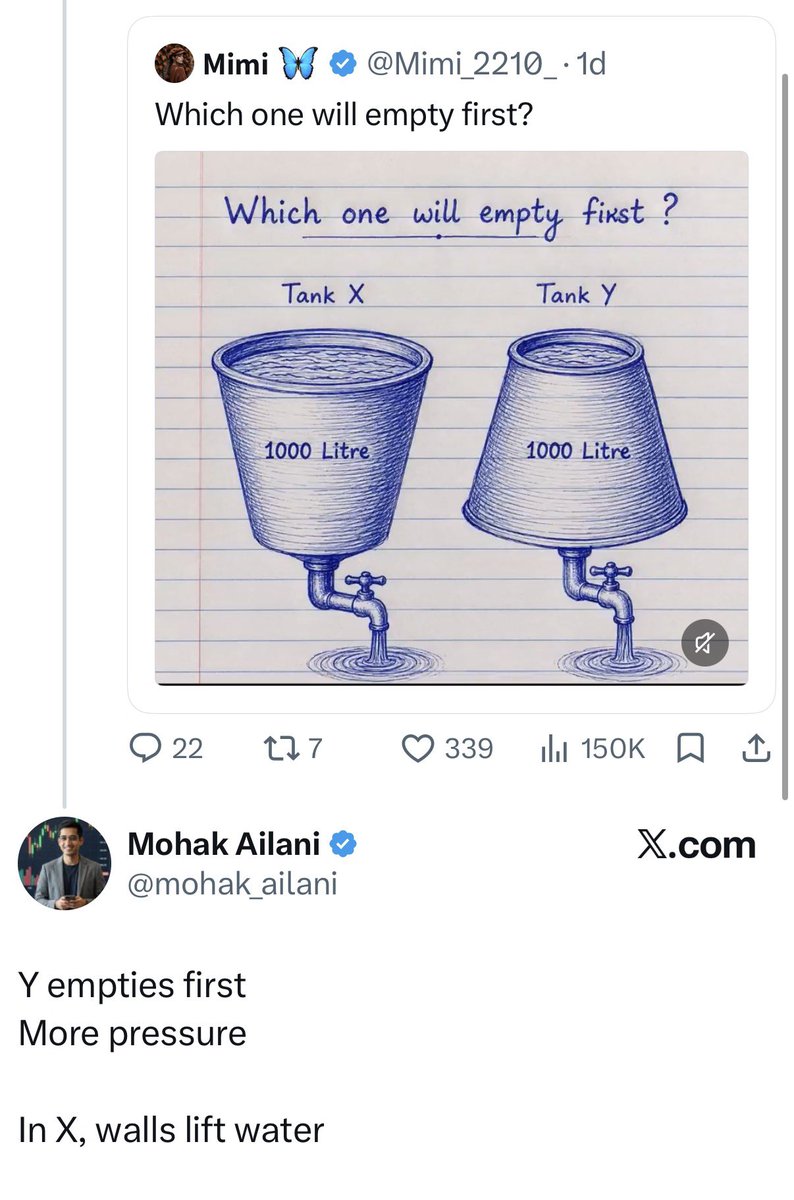
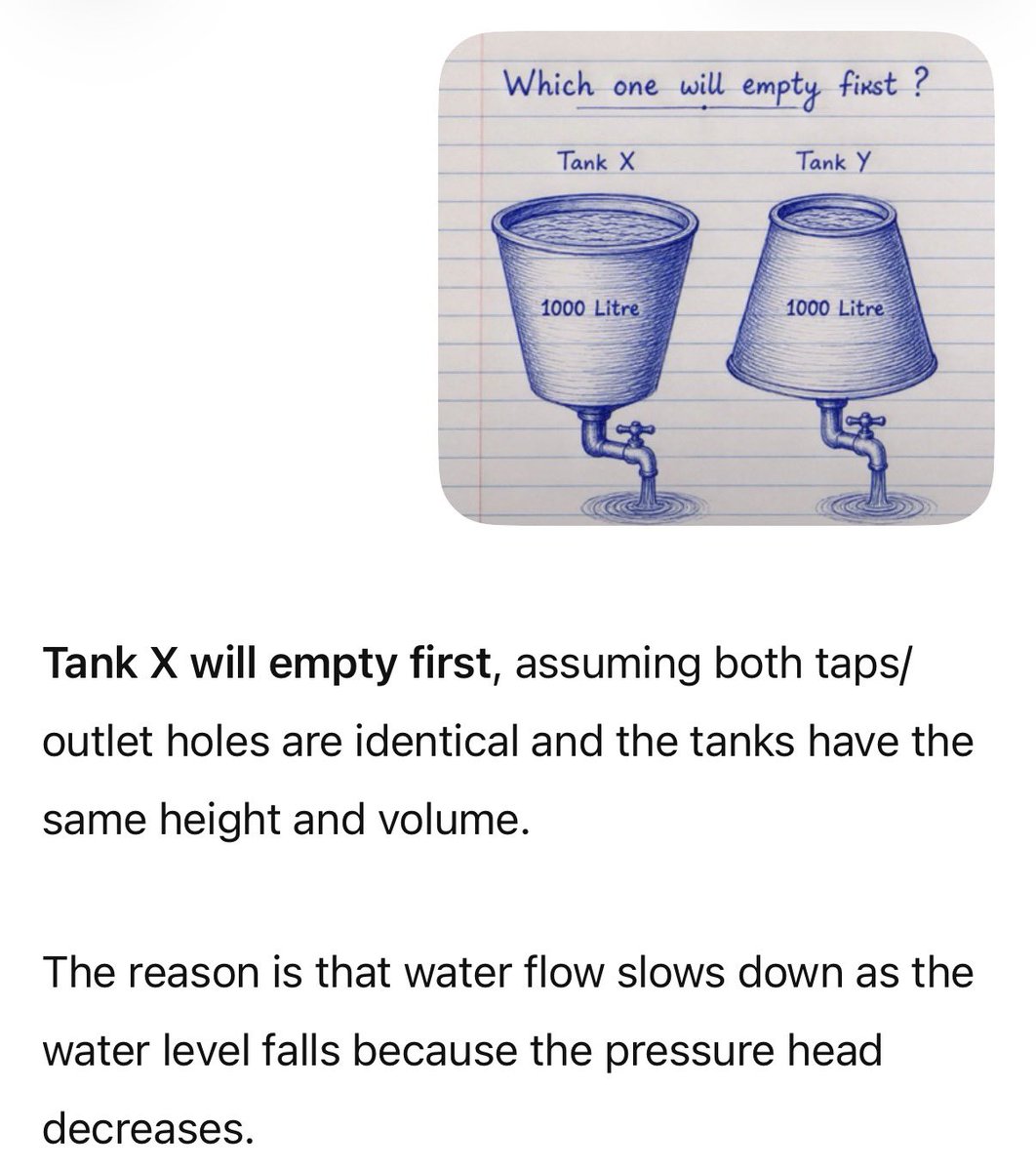
We can calculate the time taken to empty the tank, and judge for ourselves.
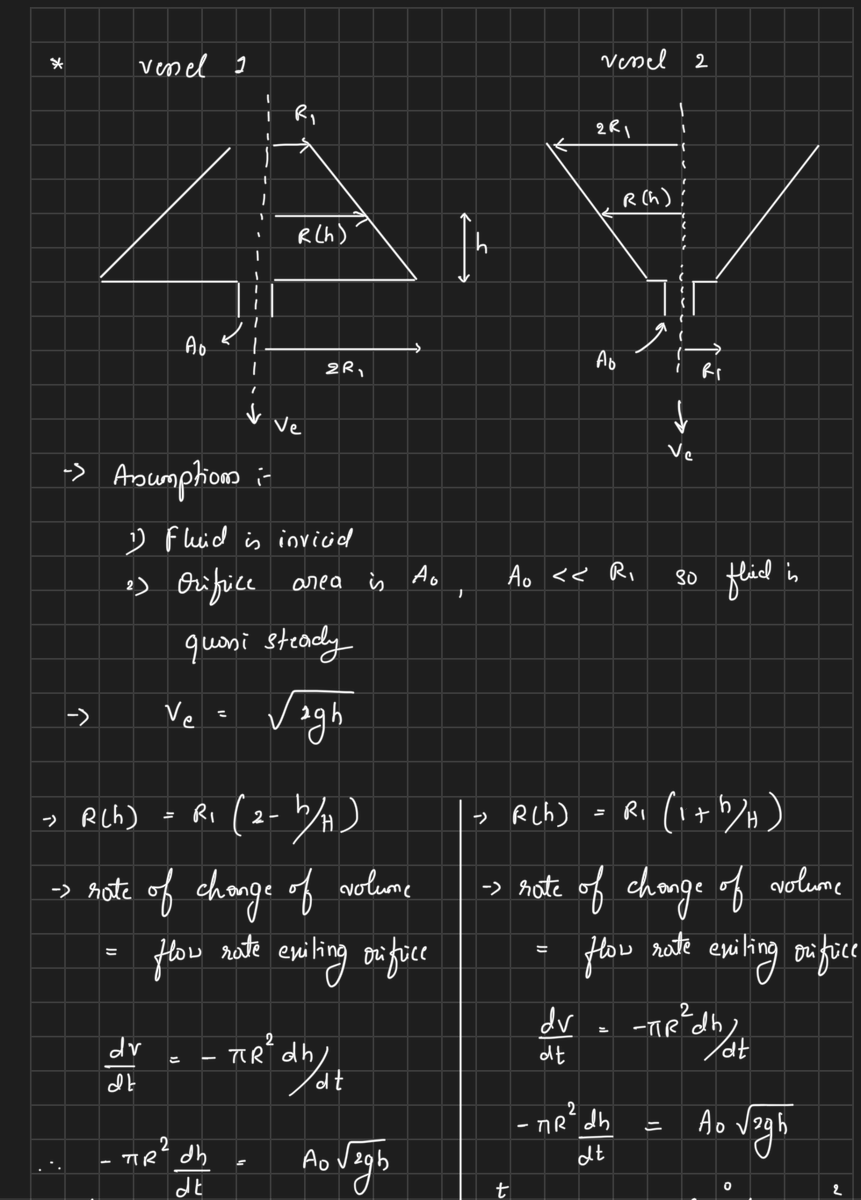
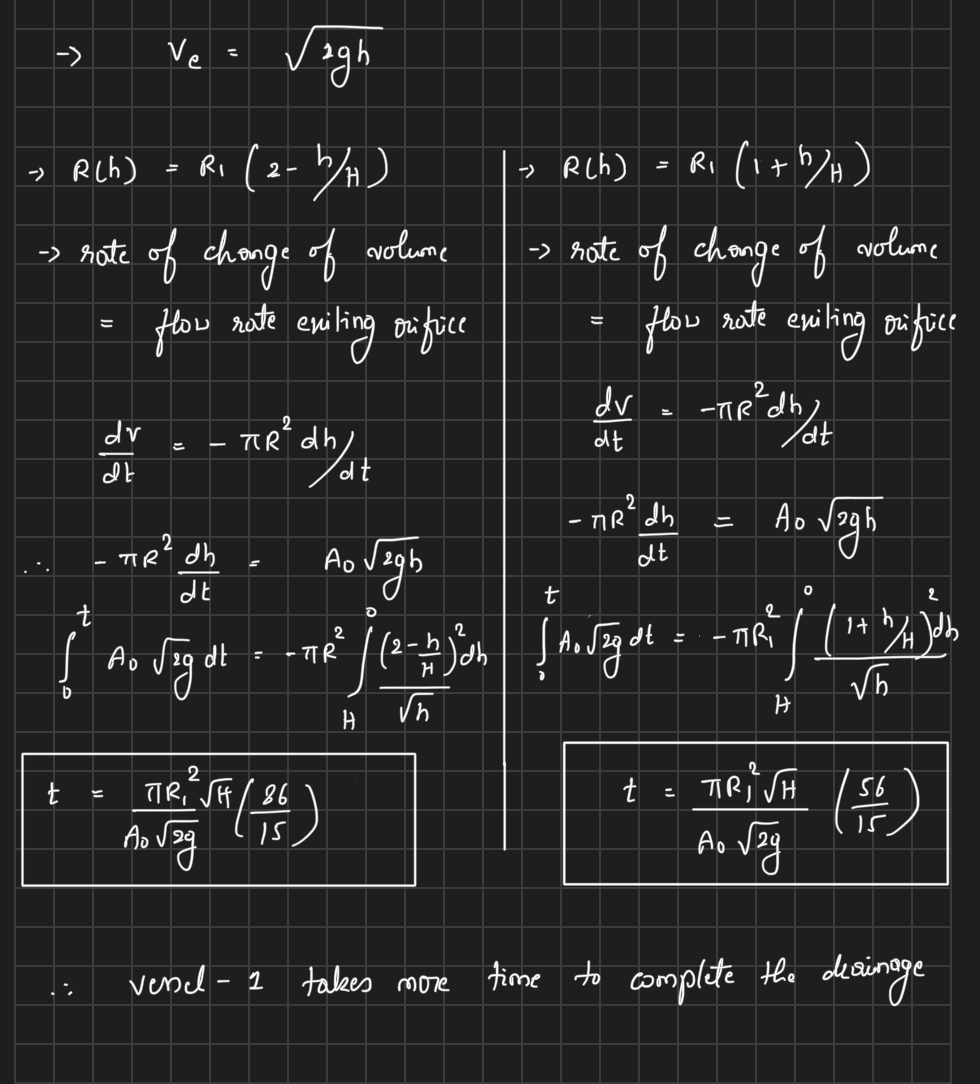

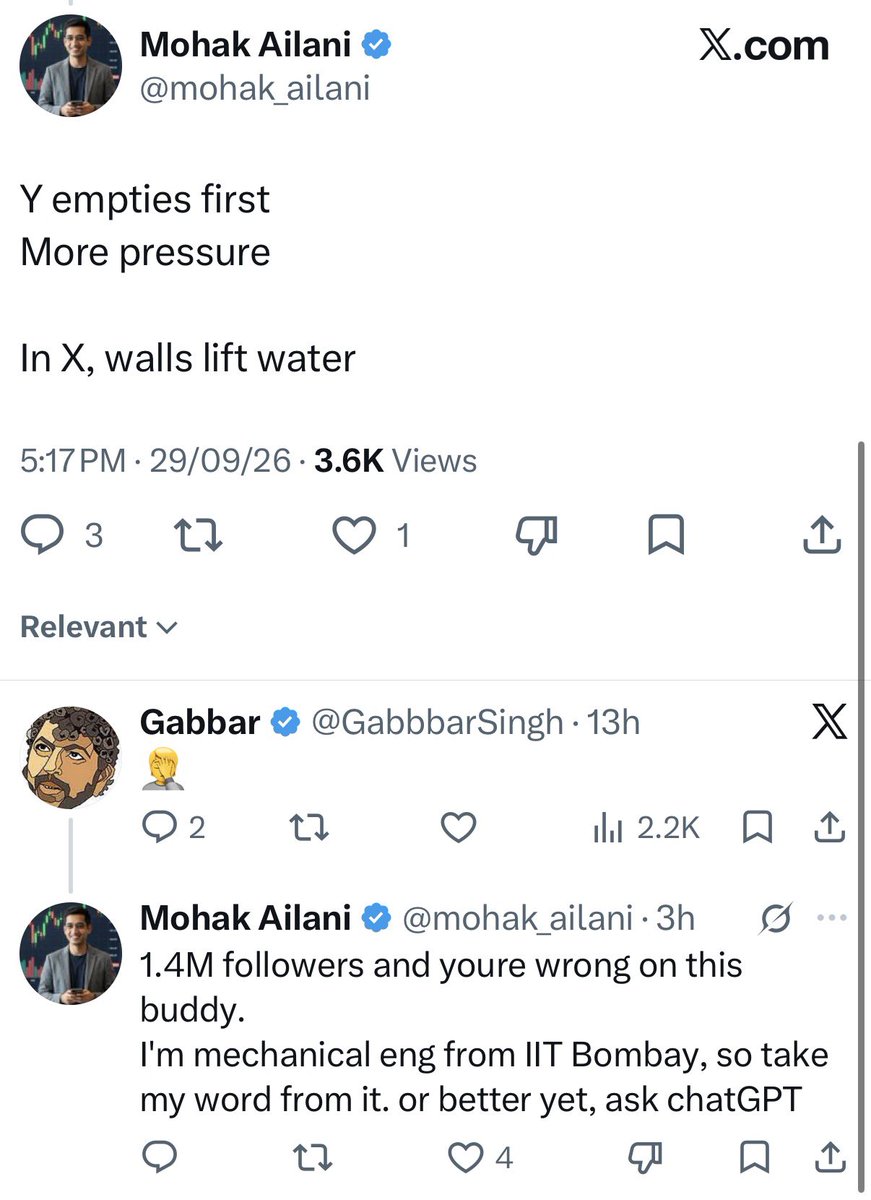
People maligning the name of IIT Bombay.
Floscularia (tube-dwelling rotifers)

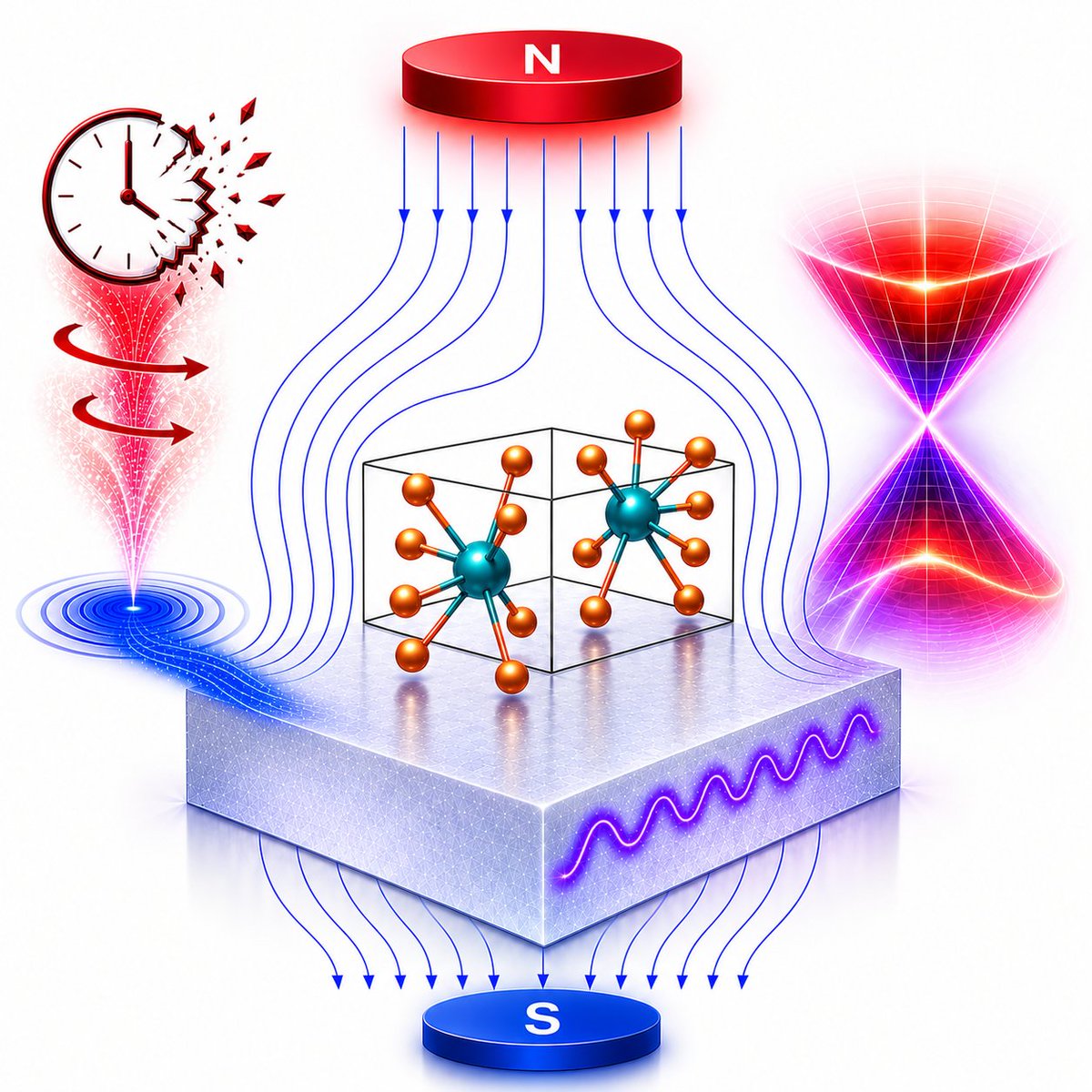
𝗜𝗜𝗦𝗘𝗥 𝗕𝗛𝗢𝗣𝗔𝗟 | 𝗥𝗘𝗦𝗘𝗔𝗥𝗖𝗛 𝗕𝗥𝗘𝗔𝗞𝗧𝗛𝗥𝗢𝗨𝗚𝗛 𝗧𝗶𝗺𝗲-𝗥𝗲𝘃𝗲𝗿𝘀𝗮𝗹 𝗦𝘆𝗺𝗺𝗲𝘁𝗿𝘆 𝗕𝗿𝗲𝗮𝗸𝗶𝗻𝗴 𝗗𝗶𝘀𝗰𝗼𝘃𝗲𝗿𝗲𝗱 𝗶𝗻 𝗮 𝗧𝘆𝗽𝗲-𝗜 𝗦𝘂𝗽𝗲𝗿𝗰𝗼𝗻𝗱𝘂𝗰𝘁𝗼𝗿 What happens when a phenomenon usually associated with unconventional superconductors turns up in a material from a class long considered conventional? A study led by Prof. Ravi Prakash Singh and his group at IISER Bhopal, in collaboration with researchers from the Indian Institute of Technology Kanpur (IITK), and the ISIS Neutron and Muon Source, has reported evidence of time-reversal symmetry breaking in the type-I superconductor YbSb₂. Superconductors carry electric current without resistance below a certain temperature. Type-I superconductors are generally considered the simpler class, while unconventional behaviour is usually associated with type-II materials. The team found that spontaneous internal magnetic fields appear when YbSb₂ becomes superconducting. This is direct evidence that the material breaks time-reversal symmetry, a hallmark of unconventional pairing. The finding offers a new platform for exploring the connection between superconductivity, magnetism, and topology. The work is published in Physical Review Letters as an Editors' Suggestion. It has also been featured as a Synopsis in Physics Magazine of the American Physical Society. 📄 𝗥𝗲𝘀𝗲𝗮𝗿𝗰𝗵 𝗔𝗿𝘁𝗶𝗰𝗹𝗲 Observation of Time-Reversal Symmetry Breaking in the Type-I Superconductor YbSb₂ Anshu Kataria, Shashank Srivastava, Dibyendu Samanta, Pushpendra Yadav, Poulami Manna, Suhani Sharma, Priya Mishra, Joel Barker, Adrian D. Hillier, Amit Agarwal, Sudeep Kumar Ghosh, and Ravi Prakash Singh Physical Review Letters 137, 136002 (2026). 🔗 DOI: doi.org/10.1103/drzq-l… Editors’ Suggestion — Physical Review Letters Featured Synopsis in Physics Magazine — Americal Physical Society Congratulations to the team! @EduMinOfIndia @ANRFIndia @IITKanpur @isisneutronmuon @Ravi_IISERB #IISERBhopal #IISERB #Research #Physics #Superconductivity #MuonSpinRotation #MuonSpectroscopy #TimeReversalSymmetryBreaking #TopologicalSuperconductivity #QuantumMaterials #ScientificResearch
Abnormal beating of airway cilia from a child with Primary Ciliary Dyskinesia (PCD) | 2026 Small World in Motion Competition | Nikon Small World: nikonsmallworld.com/galleries/2026…

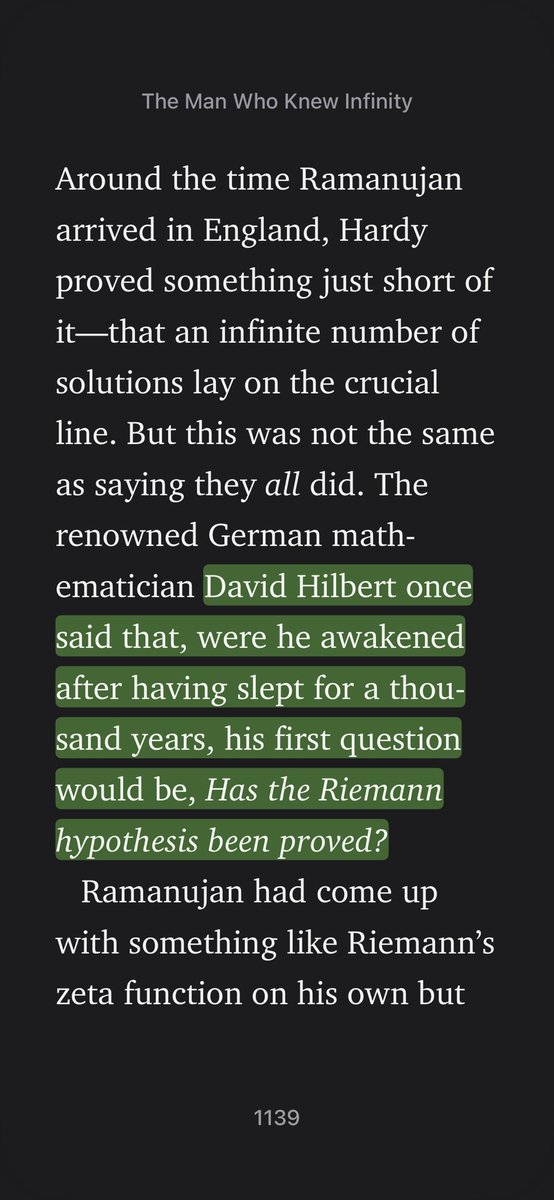
Earth is not solid. It is a fluid — just very, very slow. Maclaurin spheroid. 🌍


The Emissary @TheEmissaryCo
48K Followers 397 Following For Your Discovery. Exploring: India, Itihāsa, Ideologies, Invisible Hands || Watch me on YouTube: https://t.co/svXsIKqhPZ
nature @Nature
2.7M Followers 3K Following Research, News, and Commentary from Nature, the international science journal For daily science news, get Nature Briefing: https://t.co/wGmQlQ8a4D
Science Magazine @ScienceMagazine
4.8M Followers 452 Following Cutting-edge research, news, commentary, and visuals from the Science family of journals. Follow @NewsfromScience for stories from our News team.
Physics In History @PhysInHistory
1.1M Followers 0 Following Photos from the history of physics | © with mentioned Archives. Shared for educational purposes. Einstein portrait © Ullsteinbild. Subscribe for curated papers.
Daniel Litt @littmath
65K Followers 945 Following Assistant professor (of mathematics) at the University of Toronto, visiting Harvard Fall 2026. Forever confused. Algebraic geometry, number theory, etc. He/him.
Will Kinney @WKCosmo
44K Followers 2K Following Cosmologist, physicist, dirtbag mountain biker, expat Montanan, Copernican extremist. Part of the problem.
Jay Cummings @LongFormMath
53K Followers 609 Following Math prof. Author of long-form textbooks on proofs (https://t.co/YqXnxDmOe0), real analysis (https://t.co/3IGQ6BIx5Z) & math history (https://t.co/KkXMGTxCDK).
Martin Bauer @martinmbauer
107K Followers 1K Following Working on particle physics, quantum sensors, dark matter. Associate Prof at @IPPP_Durham @durham_uni, FLF @UKRI_News, Science board member @STFC_Matters
Steven Strogatz @stevenstrogatz
197K Followers 3K Following Mathematician, writer, Cornell professor. All cards on the table, face up, all the time.You might like


















