Going Commando @GoingCommando__
Joined July 2026-
Tweets9
-
Followers14
-
Following27
-
Likes9
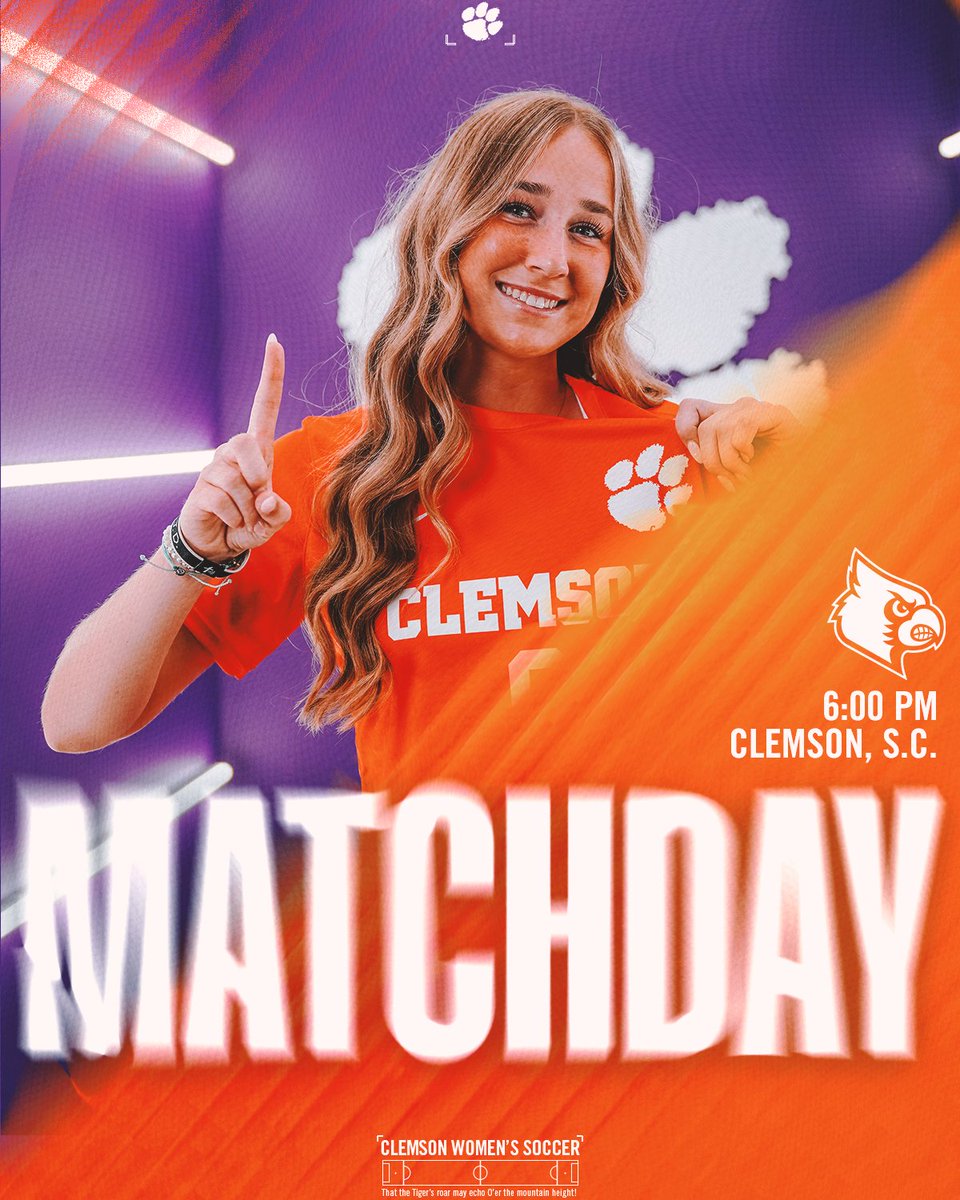
It's MATCHDAY 🆚 #15 Louisville 📍Historic Riggs Field 🕕 6:00 PM 📺 ACCNX: shorturl.at/Rllqe 📊 Live Stats: shorturl.at/gYjNY 🎟️ Free Admission: shorturl.at/MufSp ✨ Alumni Day | Scarf Giveaway

Roll on 2028


Magic in Cork 😍

And he had the best kayak trip ever
A massive concrete dome containing tens of thousands of tons of radioactive waste is deteriorating in the Pacific Ocean, raising serious long-term safety concerns. Known as the Runit Dome (or simply “The Tomb”), the structure was built by the United States between 1977 and 1980 on Runit Island in the Marshall Islands. It entombs more than 120,000 tons of radioactive soil, debris, and contaminated material from decades of U.S. nuclear weapons testing in the region. The waste is buried inside a crater left by the 18-kiloton “Cactus” nuclear test detonated in 1958. Some of the nuclear explosions conducted across the Marshall Islands were reportedly up to 1,000 times more powerful than the bombs dropped on Hiroshima and Nagasaki. Originally designed as a temporary solution, the dome was never meant to last indefinitely. Today, cracks have appeared in the concrete, and seawater is already seeping into the underlying crater through the porous coral foundation. While current leakage levels remain relatively low, scientists are growing increasingly worried about the future. Runit Island sits just 6.5 feet (2 meters) above sea level. With climate change driving sea level rise, projected to reach roughly 3 feet (1 meter) by 2100 in the region, the risks of flooding, storm surges, and accelerated erosion are rising. Experts warn that a major storm or further structural failure could spread radioactive contaminants into the surrounding lagoon and broader marine environment. Among the most concerning materials inside is plutonium-239, which remains dangerously radioactive for over 24,000 years. For the people of the Marshall Islands, the crumbling dome has become a powerful symbol of both the nuclear legacy left by decades of testing and the new threats posed by a changing climate. What was meant to be a short-term fix now faces an uncertain and potentially hazardous future.

Meet Saturn and three of its frozen moons: Dione, Rhea, and Tethys. [🎞️ SpaceEngine Sim]

Más veo esta jugada, y más siento que es del Dibu
This is WWE 'Shawn Michaels overselling Hulk Hogan' selling right there. They will start WWE France for this man when he retires.

I’ve seen Cristiano Ronaldo dive. I’ve seen Neymar Jr. dive. But whatever Kylian Mbappé is doing these days is a whole new discovery. 😭


Maggie 🍬 @poppyfairy769
7 Followers 846 Following Come start a conversation... a little confidence is cute 🌸

Nibbs @Nibbs653897
87 Followers 156 Following
Johnny Dirty @JohnnyDirty853
83 Followers 213 Following


Harold Ray @HaroldRay38
69 Followers 142 Following
Historic Walter Riggs @HistoricWalterR
42 Followers 117 Following
Smelly Tripucka @SmellyTripucka
71 Followers 166 Following

Oguchi Onyewu Truther @OguchiOnyewuT
29 Followers 46 Following Clemson fan who roots for Standard Liege because of Oguchi Onyewu.

Darth Dabo @DarthDabo
552 Followers 1K Following I find your lack of faith disturbing. Not affiliated with Darth Vader.
Clemson Women's Socce... @clemsonwsoccer
22K Followers 296 Following 2x ACC Champions. 1 College Cup appearance. 6 NCAA Quarterfinal appearances. 9 Sweet 16 appearances. 25 NCAA Tournament appearances. #WinTheDay #NeverSayDie
Smelly Tripucka @SmellyTripucka
71 Followers 166 Following
Historic Walter Riggs @HistoricWalterR
42 Followers 117 Following
Harold Ray @HaroldRay38
69 Followers 142 Following
Johnny Dirty @JohnnyDirty853
83 Followers 213 Following
Nibbs @Nibbs653897
87 Followers 156 Following

Demosthenes @Demosthenes937
51 Followers 46 Following

Jack Pulaski @jackpulaski5
51 Followers 82 Following
Philip Tattaglia @PhilipTattagl
20 Followers 29 Following

Rumsey Knibbs @Rumsey_Knibbs
19 Followers 16 Following Wrexham bandwagoner. Smarter than Ryan Reynolds.
Oguchi Onyewu Truther @OguchiOnyewuT
29 Followers 46 Following Clemson fan who roots for Standard Liege because of Oguchi Onyewu.

Mark Mangino's Towel @MarkManTowel
22 Followers 27 Following

EchoLive.ie @echolivecork
88K Followers 707 Following Get the inside scoop on Cork - and not Cork - news, sport and entertainment!
Cork Beo @corkbeo
35K Followers 3K Following Got a story, photo or video to share with the Rebel County? Tag us or get in touch - [email protected]
FIFA World Cup @FIFAWorldCup
13.2M Followers 670 Following 🏆 The official #FIFAWorldCup account on X.
Darth Dabo @DarthDabo
552 Followers 1K Following I find your lack of faith disturbing. Not affiliated with Darth Vader.
Cork City FC @CorkCityFC
57K Followers 475 Following We are no longer using X. Please follow @CorkCityFC on other social media platforms.

FIFA @FIFAcom
15.3M Followers 335 Following Bringing you news on FIFA and celebrating how football unites the world.You might like