Jimmy nessham Nessham @JNessham
Joined September 2025-
Tweets766
-
Followers9
-
Following57
-
Likes405

Olumide Akpata is here using his native language to promote his candidacy! But Chinedu must not care about yoruba language because yoruba language is not important to him. Ensiere!

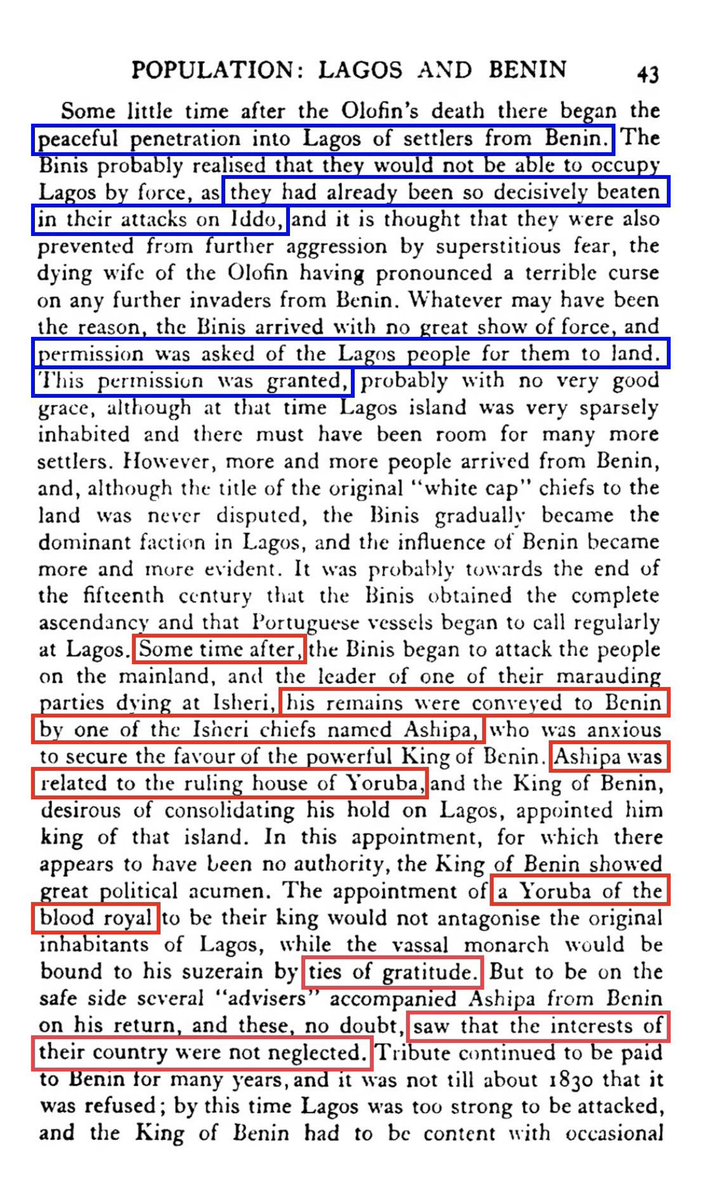
Johnmark: "The “first Oba of Lagos” has only one parent, therefore he has ONLY Ẹdo-Bini ancestry per this Channels TV interview of Oba Akiolu".❌ CommonSense: "The 'first Oba of Lagos' has two parents & thus hails from both, surprisingly. lool" Historical Facts: "Ọba Ado's father = Yoruba from Isheri. Ọba Ado's mother = ẸdoBinin (daughter of the then Benin ọba). Thus Ọba Ado (son of Aṣipa of Isheri and AWuse of Benin) who was born and raised in his mom's homeland is ALSO partly Bini. The INTERVIEWER's question at that point of the interview was to know "the relationship between the Bini & the Èkó people". Ọba Akiolu's response was thus focused on Bini side of Ado's ancestry. ———— The ẸdoBenin Ọba beget AWuse And she (AWuse) beget Lagos Ọba (Àdó) Thus Ọba Àdó is a 'male descendent' of the then Ọba of Benin. Ọba-Akiolu is correct on this one, you are just a airhead, but that’s fair, you’re Igbo. . . . 𝗙𝗿𝗮𝗺𝗲-𝟭: Rev. Buckley Wood, “Historical Notices of Lagos, West Africa”, (Exeter: Townsend, 𝟭𝟴𝟳𝟴) . . . 𝗙𝗿𝗮𝗺𝗲-𝟮: Sir Burns (GCMG), “History of Nigeria”, (𝟭𝟵𝟮𝟵): Acting Governor of Nigeria, 1942; Deputy C.S. to the Government of Nigeria, 1929 to 1934.
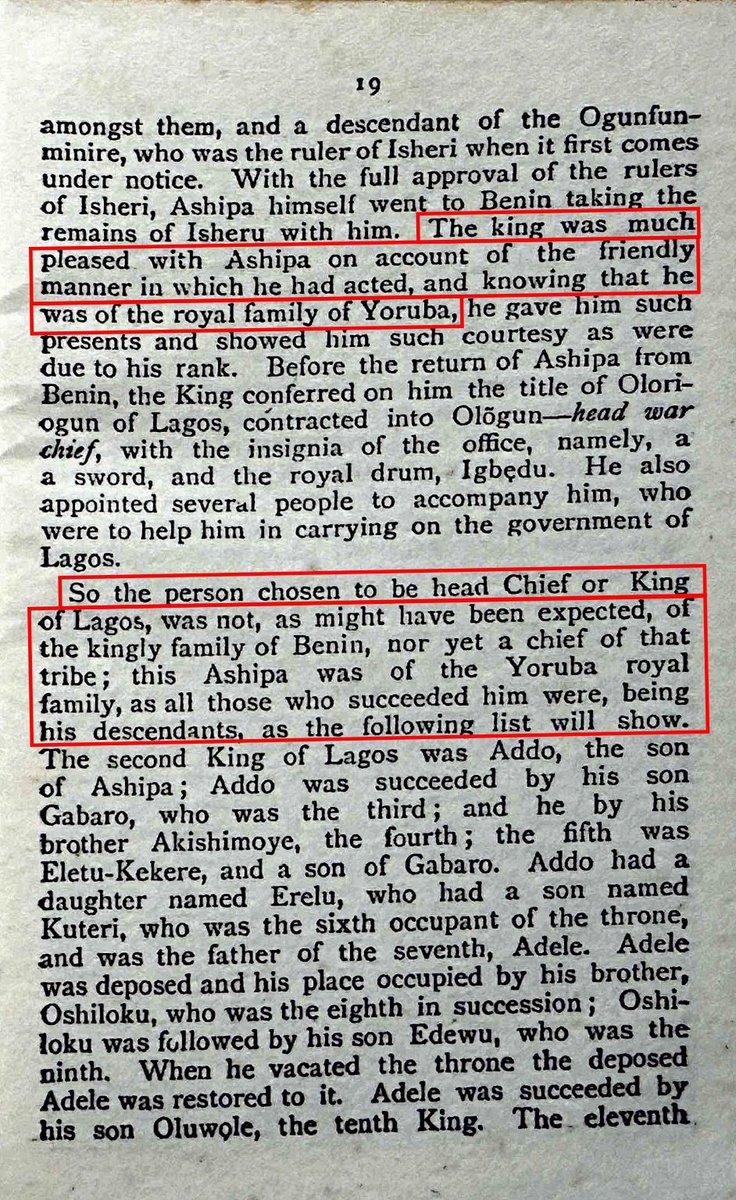

"The first Oba of Lagos was a descendant of the Oba of Benin...if you want to be made Oba of Lagos (be you anything), we first have to acknowledge the Oba of Benin" - HRH Rilwan Akiolu, Oba of Lagos Oba of Benin supremacy over Lagos is ratified. Therefore, it was the Benin
@KingsezeEze @GoziconC Ibo man want to thief Yoruba land again
@ojogbonyemi Omugo tide agenda nah only online it end nothing can sake southwest laye ewure Kan fi ese rale ni ko si o ti fi olowo e SE afi pipa
@Sir_Lammy @OduduwaGlobal You are not serious tell me any part of Yoruba land that is not welcome all Nigeria so what is Ur excuse you want to discuss with the king u are using English e beru oloun e yi Yoruba but
@dare411074 @Mz_Tosyn Oba of Benin palace is available take him dere maybe Thier language matter but in all Yoruba land is matter
@theOlaBola @Tegaski Maybe will should contact oba of Benin in 3lg and Baba yibo from Aba to tell us those two things awon afofu gbe mu
@Constant_cashfl @jayhemz Just like Ibo slave metamorphos to igbo Bush right 👍
@jayhemz @Mystiquebeinq @Hamidu_forlife Infact nah today I know say all the ibo race don't have sence
Etí-Ọ̀sà• The Bini ‘Ẹ̀tín-Òsà’ is often thrown around by the fiction-mongers. These two are not only different in meaning but also in pronunciation. For starters, think of how ‘house’ & ‘hose’ are unrelated. Got it? Good! They are more unrelated than that as is to be seen.

@jayhemz You and monkey of benin go cry tire

ÈKÓ: Yoruba word for "PLANTATION". A synonym for: "OKO" ("FARM"). See Parts 1 & 2 for more details👇🏾
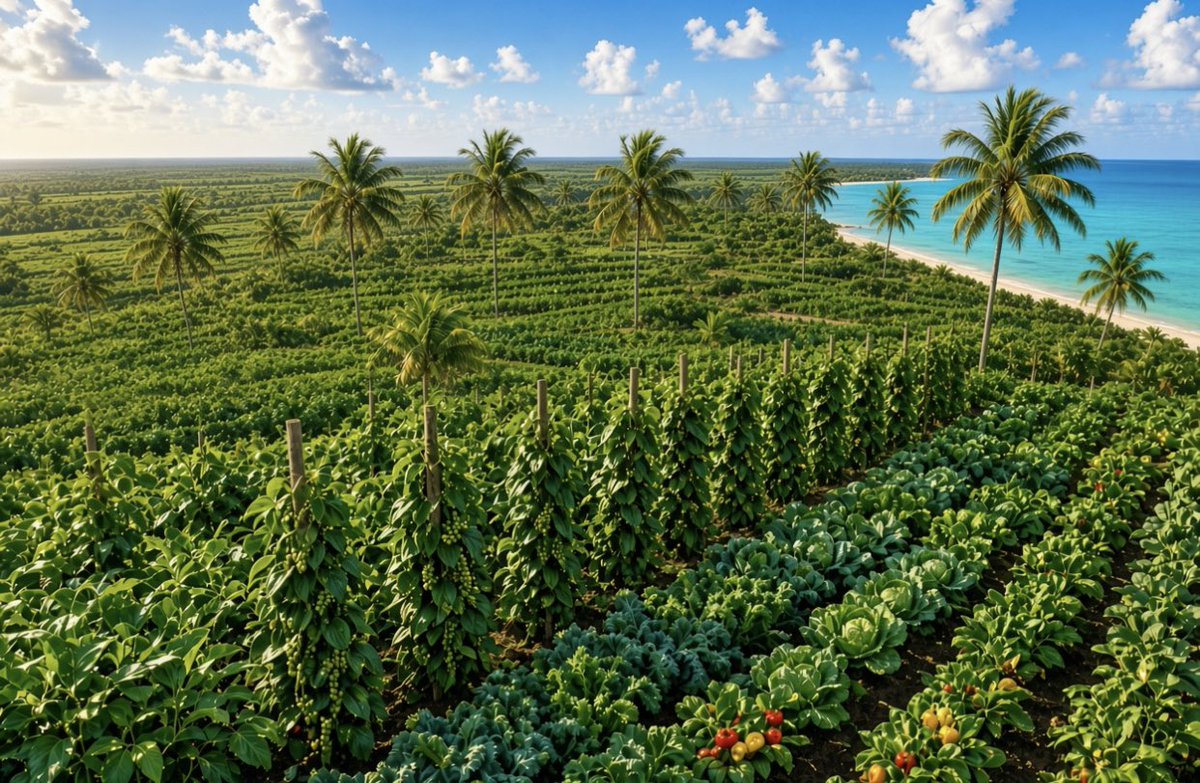
𝗘̀𝗞𝗢́— 𝗧𝗵𝗲 𝗘𝘁𝘆𝗺𝗼𝗹𝗼𝗴𝘆‼️𝗔 𝗖𝗼𝗿𝗿𝗲𝗰𝘁𝗶𝗼𝗻⚠️ 𝗣𝗮𝗿𝘁-𝟮‼️ See 𝗣𝗮𝗿𝘁-𝟭 (Quoted) for the background details. —— The smallest meaningful component-parts of the Yorùbá term ‘𝗲̀𝗸𝗼́’ are: 𝗸𝗼́ (verb) & 𝗲̀ (noun-prefix). As such, ‘𝗲̀𝗸𝗼́’ is a


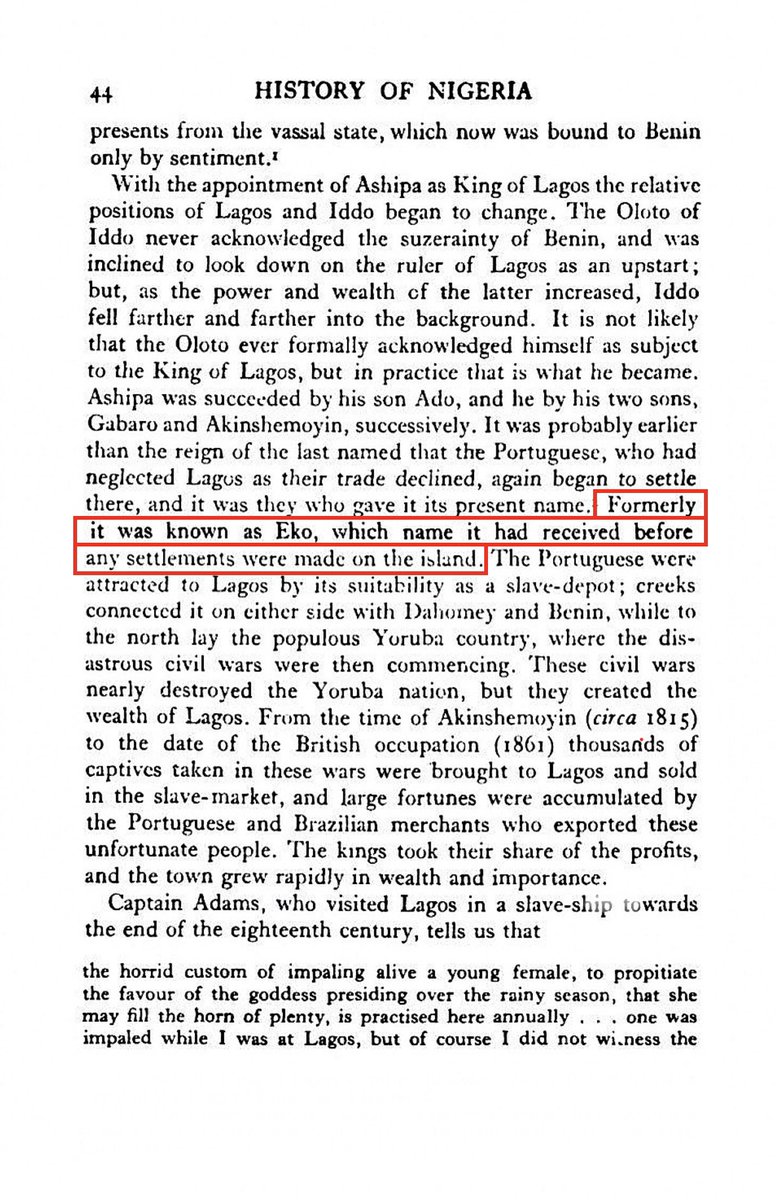
𝗘̀𝗞𝗢́ — A 𝗖𝗼𝗿𝗿𝗲𝗰𝘁𝗶𝗼𝗻 Series⚠️ 𝗣𝗮𝗿𝘁-𝟭 of 𝟮‼️ The place name 𝗘̀𝗸𝗼́ is found all over Yorùbáland: For example, on Monday morning 𝗔𝗽𝗿𝗶𝗹 𝟮𝟲𝘁𝗵 𝟭𝟴𝟯𝟬, R. & J. Lander stopped briefly near an 𝗘̀𝗸𝗼́ town in the countryside of Ọ̀yọ́-Ilé (Ọyọ empire’s capital). From their description, this 𝗘̀𝗸𝗼́ (“Eco”) town was not too far from Ṣakí (“Chekki”); not too far from Kòso (“Coosoo”), Ìgbòho (“Bohoo”), & Ọ̀yọ́ itself. For the actual report, see 𝗙𝗿𝗮𝗺𝗲-𝟭 from Richard & John Lander, “Journal of an Expedition”, 1 (1832). Others are found in present day Osun, Oyo, Delta & Lagos states— each of which is a Yorùbá town. —— This post intends to add a clarifying context to an older post (dated: Nov. 8th 2023) on this subject. See ‘Highlights’ on my ‘Profile’ for the older post. Despite this intended context, the following facts remains historically accurate as in the older post: 𝟭) Lagos traditions say that the Àwórì occupy Ìdó island, & Ọ̀tọ̀ (on that island) was the key town & seat of government in the area (under the Ọlộfin); while 𝗘̀𝗸𝗼́ (next to Ìdó island) is the Yorùbá name for their 𝗳𝗮𝗿𝗺. [Historians now set this in c.1000]. Refer to 𝗙𝗿𝗮𝗺𝗲-𝟮 for a documention of the Lagos tradition on this as published in year 𝟭𝟴𝟴𝟴 in the “Précis of Information Concerning the Colony of Lagos”: Intelligence Branch of British War Office. . . 𝟮) To be very emphatic, this island beside Ìdó had received its name ‘𝗘̀𝗸𝗼́’ (literally: ‘𝗽𝗹𝗮𝗻𝘁𝗮𝘁𝗶𝗼𝗻’ as is to be demonstrated in 𝗣𝗮𝗿𝘁-𝟮) before any human or group of people began to live on this farmland. See 𝗙𝗿𝗮𝗺𝗲-𝟯 for this Lagos tradition as is seen in Alan C. Burns (GCMG) “History of Nigeria”, 1929. . . 𝟯) Moreover, the 𝗘̀𝗸𝗼́ island was first inhabited by one of the Ọlộfin’s sons named Onîta (also called ‘Arómirẹ́’). He’s reputed in the Lagos traditions to have initiated this by setting up a 𝗳𝗮𝗿𝗺 𝗰𝗮𝗺𝗽 (aka. 𝗳𝗮𝗿𝗺𝘀𝘁𝗲𝗮𝗱) for himself on this original plantation. See 𝗙𝗿𝗮𝗺𝗲-𝟰 for this Lagos tradition as is seen in Loṣi, “History of Lagos”, (Tika-Tore, Lagos 1914). In other words, the part of Lagos island known till date as 𝗘𝗿𝗲́𝗸𝗼 (literally: ‘𝗳𝗮𝗿𝗺𝘀𝘁𝗲𝗮𝗱’) can be traced back to that act by Onîta-Ògbógbódí (‘Arómirẹ́’). . . 𝟰) In the 1500s, 𝗘̀𝗸𝗼́-island slowly took the shape of a trade magnet of sizeable importance (thanks to European coastal trading activities) drawing in non-Àwórì immigrant trade groups, such as some Ìjẹ̀bú, Ìlàjẹ, Ìkálẹ̀, Itsẹkiri, and Bini trading groups. Each trade group sought permission to land from the Àwórì, & a piece of the Àwórì 𝗽𝗹𝗮𝗻𝘁𝗮𝘁𝗶𝗼𝗻 (𝗘̀𝗸𝗼́) was respectively allotted to each group for 𝗰𝗮𝗺𝗽. Refer to: Alan Burns (GCMG) “History of Nigeria”, 1929, page 43. See also: “A History of the Yoruba People” (Amalion 2010), p. 222 by S. A. Akintoye. —— Given the events and timelines highlighted from 𝟭 to 𝟰 above, it is now very clear that the etymology of the name ‘𝗘̀𝗸𝗼́’ could not possibly have derived from the name of Onîta’s (aka. Arómirẹ́’s) ‘𝗲𝗿𝗲́𝗸𝗼’. Again, the reason is simple: the name 𝗘̀𝗸𝗼́ applied first to the island, while the name 𝗘𝗿𝗲́𝗸𝗼 appeared later-on on the island starting with Arómirẹ́’s act. Also going by the events and timelines, the Benin & other immigrant trade groups encountered this name 𝗘̀𝗸𝗼́ (fully: 𝗘̀𝗸𝗼́'𝗼𝗿𝗶́-𝗼𝗺𝗶, lit. “Èkó on waters”: Alli, in Asaju, “Lagos and Its Environs”, 2006:51) on this island as an existing centuries-old name. As such, versions of the name began to appear in the lexicons and accounts of the out-groups. The European reports show it as: Ichoo, Curamo, etc. The Ìjẹ̀bú accounts have it as Èkó & Èkõrómi. The Ijaw oral traditions report it as Iko and Ụkụrọama. The Bini group wasn’t an exception: its lexicon & accounts received it as Eko (short), Korame (full). —— Continue Below‼️



@grok @EEjowokeog12139 @Ovbiedo_ @Wale_avatar 😀😀😀😀grok u sabi
@grok @EEjowokeog12139 @Ovbiedo_ @Wale_avatar Grok don't let Ile ubinu people and obo of benin whine u na so dey be infact their oba even say nah him create grok it self
@grok @EEjowokeog12139 @Ovbiedo_ @Wale_avatar Grok why are you embarrassed oba of Benin is ozuzu like this people that can argue with Their life


Shh Love @shh927
117 Followers 760 Following
Mark foster fan page @MillyFindl1rwb
67 Followers 111 Following
Ọ̀tunba Ayọ̀dé... @Ayodele10824524
5K Followers 7K Following A lover of History | Human Resources| Assoc. CIPD UK| Award Wining Volunteer| | Arsenal Fan| Leadership |


CFCDeraa @CFCDeraa
1K Followers 1K Following Chelsea FC fan account, let's talk about football at large
Ice Open Network Offi... @iceopennetworkk
257 Followers 247 Following 🌟Ice Open Network #ION powering the next wave of #Web3 with a scalable DApp framework for builders. Tokenized communities on #BNB • Chain - #PUMPit #OnlinePlus
Toks @Craver_Estimate
61 Followers 424 Following |Educationalist || Stats Savant || Math Addict || Tutor || Sapiosexual ||Statistical theory Advocate|| Success_craver | ||Atychiphobia|| || Syncretist ||
Olastikal 🔱 Jagunl... @stikolo_sandy79
10 Followers 35 Following Yorùbá Ronú. 🎖️🪖 Main Account was suspended. If you're ọmọ ọkọ Yoruba, Follow me and I will follow back 🤝
Pathfinder @Pathfinder077
9K Followers 6K Following Politics, football, memes… ogbonge igbo boy from Agulu Anambra state. May the gods of our land deliver the entire southeast for Tinubu. isee!
Lord Of Warri @Lord_Of_Warri
28K Followers 2K Following History & Culture Of Warri Kingdom, Researcher, Historian, Itsekiri activist, Warri kingdom defender, I’M NOT THE OLU, reply with facts/evidence or get blocked.
Ọmọ́tọ́lá @AmiOmotola
1K Followers 248 Following I’m a Yoruba woman living in Nigeria!!🇳🇬 am proud of my heritage and also proud of my country.
Sam @Sam__szn
4K Followers 601 Following YOUR ULTIMATE GUIDE FOR CRYPTO @base | @Solana | @suinetwork |Crypto Projects | Meme Coins | Trading | 📩 [email protected]

Naija Ballers @9ja_Ballers
8K Followers 1K Following Everything you see on here is an individual research, and Opinion || Nigerian Players || multi-disciplined.


Sidra Updates @sidra_updates
24K Followers 4K Following Sidrachain Authenticated lnformation Genuine and Authenticated news
Xeffy @Xeffy_io
169K Followers 20 Following Institutional-Grade multi-strategy yield & Infrastructure in one portal RWA: Mass Adoption
Xeffy Pixie Pocket @Pixie_Pocket_
63K Followers 3 Following @Xeffy_io Pixie Pocket is the Strategic Reserve Trust that manages token burns and treasury operations for the long-term benefit of the Xeffy ecosystem.
MEKO_Xeffy @MEKO_Xeffy
68K Followers 65 Following In charge of communication with Growth of the @Xeffy_io Advisor @Xphere_official ex) @MemeCore_M Strategy & Growth

Great IFE @TheGreatestIFE
61K Followers 241 Following The Echo from the Cradle of Yoruba Civilization📍ILE-IFE. …For Learning and Culture!
Mark foster fan page @MillyFindl1rwb
67 Followers 111 Following
khen abonzu vandy @kheneth_vandy
21K Followers 14K Following Professionnel de l'administration | Analyste politique | Affaires publiques • Gouvernance • Engagement civique.
βG @BlexguyEzs
65K Followers 7K Following ɴᴏ ʀᴏᴏᴍ ғᴏʀ ɢᴀᴍᴇs ᴡʜᴇɴ ʟɪғᴇ ɪs ᴛʜɪs ʀᴇᴀʟ. 👀 // #ManUtd ⚽❤️
Ọ̀tunba Ayọ̀dé... @Ayodele10824524
5K Followers 7K Following A lover of History | Human Resources| Assoc. CIPD UK| Award Wining Volunteer| | Arsenal Fan| Leadership |

Larry Usang @LaragaNaija
3K Followers 507 Following Watching | Learning | Noticing | Educating | Relationships/Love Connection | Crypto Proposal King | Web3 Content Creator
Emmanuel Afula @EmmanuelAfula
60K Followers 13 Following 👨🏾💼: co-founder & ceo @CeliaWallet 📧: [email protected]

BiggyyBae @Biggyy91
462 Followers 903 Following I wanna savour every moment🥂 interested in web3 jobs..dm for adverts and promotion..a web3 enthusiast,..with a thirst for success 🍸
BIG ZADDY @pablozaddy1
4K Followers 3K Following my tweets will make you stay strong and keep you going / through the highs and lows.
Obibonavista ✪ @obibonavista
66 Followers 52 Following I usually give people more chances than they deserve But once I'm done I'm done
CFCDeraa @CFCDeraa
1K Followers 1K Following Chelsea FC fan account, let's talk about football at large
DAMI FOREIGN🥶 @TheDamiForeign
342K Followers 14K Following 𝐏𝐑 • 𝐅𝐚𝐬𝐡𝐢𝐨𝐧 • 𝐂𝐫𝐮𝐢𝐬𝐞 -𝐃𝐌 𝐨𝐫 📧:[email protected] 𝐟𝐨𝐫 𝐏𝐑 & 𝐀𝐃𝐬 | 𝐌𝐲 𝐁𝐚𝐜𝐤𝐮𝐩 𝐏𝐚𝐠𝐞 @Dami_Foreign• No Facebook ❌
Motivation Quotes @Motiv8Central
72K Followers 36K Following Our goal is to keep you motivatd and inspired so that you can achieve your goals and never give up on your dreams. Follow the team 👉@m2Succeed & @SucessCentral

EasYOfLagos ✨️ @easydigita
26K Followers 3K Following Politics | New Media | Communications | Host: #NigeriaNewsPaperStand
Bee Network Updates @ATestnet9
9K Followers 38 Following Bee Network Unofficial Account || Just Updates Share 𝖨 𝗌𝗁𝖺𝗋𝖾 𝗉𝗈𝗌𝗂𝗍𝗂𝗏𝖾 𝗆𝗈𝗆𝖾𝗇𝗍𝗌 𝗐𝗂𝗍𝗁 𝗉𝖾𝗈𝗉𝗅𝖾 | #Airdrop #Hunter #BeeNetwork
Bittoken @Bttofficial1
32K Followers 2 Following TOTAL SUPPLY = 210 MILLION Only! Only 3,024,000BTT released monthly.! 56 YEARS to circulate the whole supply.! GET READY FOR THE ULTIMATE SCARCITY PLAY!
Ice Open Network Offi... @iceopennetworkk
257 Followers 247 Following 🌟Ice Open Network #ION powering the next wave of #Web3 with a scalable DApp framework for builders. Tokenized communities on #BNB • Chain - #PUMPit #OnlinePlus

Ice Open Network @ice_blockchain
2.5M Followers 372 Following $ION is entering a new era: AI-powered utility, open-source infrastructure, and revenue-driven ecosystem growth.


High Chief Lawrence I... @HighChiefOkoro
27K Followers 1K Following Proudly Edo | Political Digital Mobilization Strategist | Public Affairs Communicator | Brand, Media & Marketing Consultant | 📩: [email protected]
cPen Network @cPenCoreTeam
913K Followers 10 Following cPen Network: A sustainable future for blockchain, bridges the gap between blockchain and real-world applications.
Bee Network Official @Beenetworkintl
830K Followers 132 Following Bee Network - Mine Crypto on Your Phone https://t.co/OrktW8utjt - The World's Largest Web3 Portal
Ọ̀gbẹni Tọm @Ogbenitom
11K Followers 6K Following ♟️Content Creator ♟️Humanitarian ♟️Nigerian ♟️Yorùbá
Sprout Network Offici... @Sprout_Network
37K Followers 0 Following Digital Currency you can mine on your phone - Sprout Network is democratizing crypto for the next billion users. Download now for iOS & Android👇

SealSend @SealSendEmail
318K Followers 0 Following The vanguard of email security, merging blockchain's might with seamless encryption to shield your digital dialogue. Your inbox, redefined and secured.
Piggyvest @piggyvest
231K Followers 28 Following Save, Invest and Grow your money with ease. Earn up to 20% p.a on savings and up to 35% p.a on investments. Download Piggyvest on iOS or Android 💙🚀
Rubi Network @Rubi_Click
108K Followers 822 Following ⛏️Let's mine RubiNetwork together 📣 Daily updates•🔎 Tips • 📊 Insights 🤝 Working to grow our Rubi Network community⚠️ Fan-made page — Not official
Arichain 🟥 @Arichain_
572K Followers 105 Following Beyond the Layer Into the Dimension, Multi-VM Single Concensus Network
Babatunde | OmoAkin @spyda247
2K Followers 2K FollowingYou might like