

ProConnect Engineer @ProConnectEngr
フリーランスエンジニアのキャリアを応援する 高単価案件マッチングプラットフォーム『ProConnect Engineer』 運営会社:株式会社WorkX ( https://t.co/GyQyhXtSWF ) engineer.pro-connect.jp Joined December 2022-
Tweets17
-
Followers12
-
Following71
-
Likes29
東プレ株式会社によるハイクオリティキーボード「REALFORCE」を、uhyoさんにレビューしていただきました!1日に4万字を打っても疲れなかったというその魅力とは...? zine.qiita.com/interview/2024…

テストは本来チャンスです コードの中身ってリードエンジニアくらいしか見ませんけど、テストの結果はPL,PMひいてはクライアントも見ます。 私はSESで来てくれた開発実績のない人にテスターをお願いしたことがあります。その仕事内容と人柄を見て「この人はいける!」と直感して、翌年アシスタント(SE)をお願いしました。 そのまま顧客対応で評価され、その実績で次の年には誰でも社名を知ってる大きいPJのSEに。部下も4人つきました。 テストも単にマルバツだけでなく、UIも含めた総合的な品質に資する報告であったり、あるいはNGの原因の推測であったり。そういうプラスアルファがあると決定権のある人に届きやすいです。 まず手軽なところだと「機種依存バグを発見したらその参考URLを貼っとく」とかですね。 正直、プラスアルファ分を見ればエンジニアリングセンスもわかります。 後は現実問題として人柄がマスト。最近は業界のレベルが上がって技術的な面で大きな差を示すことが難しくなってきました。その一方で人間性に関しては差が開く一方です。 技術者といえどもチーム仕事ですから、周りに影響を与える人柄は大きな判断要素です。 プラスアルファと人柄、ここさえ出来てれば1年後にはキャリア選び放題になってると思いますよ。 この業界、どんな入口でも実力主義なのは確かです。
Linux file system explained.


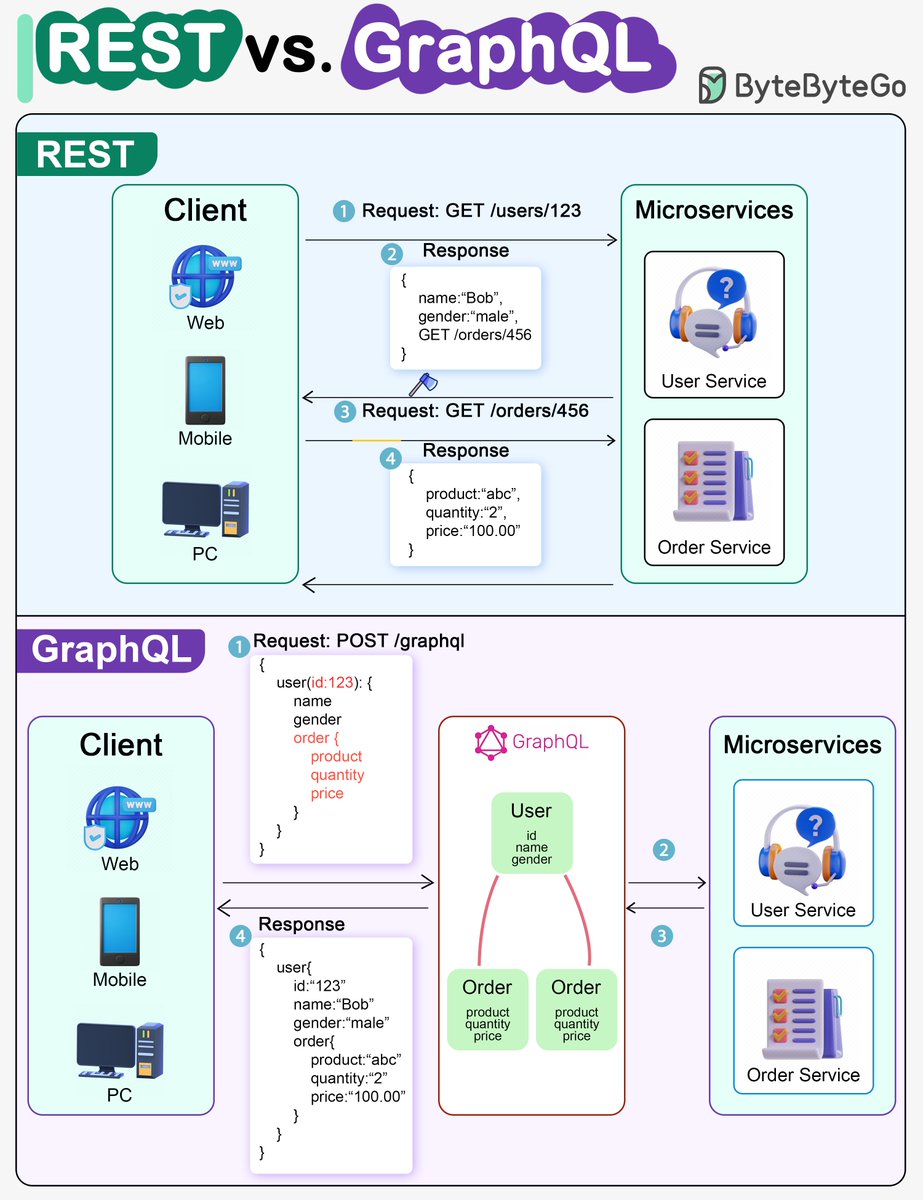
REST API Vs. GraphQL When it comes to API design, REST and GraphQL each have their own strengths and weaknesses. REST - Uses standard HTTP methods like GET, POST, PUT, DELETE for CRUD operations. - Works well when you need simple, uniform interfaces between separate services/applications. - Caching strategies are straightforward to implement. - The downside is it may require multiple roundtrips to assemble related data from separate endpoints. GraphQL - Provides a single endpoint for clients to query for precisely the data they need. - Clients specify the exact fields required in nested queries, and the server returns optimized payloads containing just those fields. - Supports Mutations for modifying data and Subscriptions for real-time notifications. - Great for aggregating data from multiple sources and works well with rapidly evolving frontend requirements. - However, it shifts complexity to the client side and can allow abusive queries if not properly safeguarded - Caching strategies can be more complicated than REST. The best choice between REST and GraphQL depends on the specific requirements of the application and development team. GraphQL is a good fit for complex or frequently changing frontend needs, while REST suits applications where simple and consistent contracts are preferred. – Subscribe to our weekly newsletter to get a Free System Design PDF (158 pages): bit.ly/3KCnWXq
Authentication in REST APIs acts as the crucial gateway, ensuring that solely authorized users or applications gain access to the API's resources. Some popular authentication methods for REST APIs include: 1. Basic Authentication: Involves sending a username and password with each request, but can be less secure without encryption. When to use: Suitable for simple applications where security and encryption aren’t the primary concern or when used over secured connections. 2. Token Authentication: Uses generated tokens, like JSON Web Tokens (JWT), exchanged between client and server, offering enhanced security without sending login credentials with each request. When to use: Ideal for more secure and scalable systems, especially when avoiding sending login credentials with each request is a priority. 3. OAuth Authentication: Enables third-party limited access to user resources without revealing credentials by issuing access tokens after user authentication. When to use: Ideal for scenarios requiring controlled access to user resources by third-party applications or services. 4. API Key Authentication: Assigns unique keys to users or applications, sent in headers or parameters; while simple, it might lack the security features of token-based or OAuth methods. When to use: Convenient for straightforward access control in less sensitive environments or for granting access to certain functionalities without the need for user-specific permissions. Over to you: Which REST API authentication method do you find most effective in ensuring both security and usability for your applications? – Subscribe to our weekly newsletter to get a Free System Design PDF (158 pages): bit.ly/3KCnWXq

コマンドでGitを使いこなせていると、ちょっとかっこいいですね😎 先日はGitの超入門をご紹介しましたが、今回は開発者なら知っておくべきGitコマンドをご紹介します💻 GitHub for Beginnersシリーズ第2回目をご覧ください👇 github.blog/jp/2024-06-13-…

AI時代におけるデータエンジニアどうする?について、私なりの見解を書いてみました。 Snowflake SUMMIT 2024が示唆する、AI時代のデータエンジニアリングの在り方|ぺい(pei0804) zenn.dev/dataheroes/art… #zenn #SnowflakeSummit #DataCloudSummit
🟦 仕事がわけわからなくなったら、細分化だ! paiza.hatenablog.com/entry/2024/06/… 💡「細かく分解する力は分野を問わず活用できる」「大きいタスクを前に呆然とする後輩の例」「仕事を分解するときのコツ」など筆者の経験を元とした記事、です!
最大単価90万円の高単価Swift/iOSエンジニア案件が登録されました。 基本フルリモート案件(緊急時都内出社場合あり) Swiftアプリ開発経験5年以上のハイスキルiOSエンジニア向け案件となっております。 ご興味ある方、サイトへ簡単1分登録で案件内容が確認できます engineer.pro-connect.jp #Swift #iOSエンジニア #SwiftUI #MVVM #フリーランスエンジニア #フルリモート #リモートワーク #ProConnect
Web3、NFT開発案件にてバックエンド開発(Node.js)をメインとするテックリード募集案件が登録されました。 完全フルリモート、フルフレックス、週半分0.5人月も可能など海外から自由な時間で働きたい方にピッタリです✨ その他フルリモート案件多数掲載中 ご興味ある方、サイトへ簡単1分登録で案件内容が確認できます engineer.pro-connect.jp #Nodejs #Web3 #NFT #ブロックチェーン #フリーランスエンジニア #フルリモート #リモートワーク #ProConnect

これで”1日の密度”が2倍になります。


これを意識したら、褒められるようになりました。

ログインフォームの仕様は常にユーザビリティとセキュリティのせめぎ合い。 「そのメールアドレスは存在しません」は一見親切なエラーメッセージだが……逆にいうと特定のメールアドレスがそのサービスに登録してることがバレる。 「メールアドレスまたはパスワードが一致しません」の方が安心。

Python開発可能なサーバーサイドエンジニアを募集しております。 フルリモート、単価~110万円/人月。 ご興味ある方、サイトへ簡単1分登録、 もしくはDM・リプライください。 engineer.pro-connect.jp #Python #LLM #エンジニア #フリーランスエンジニア #フリーランス #高単価 #リモートワーク #ProConnect
グルメサイト開発のWebアプリエンジニアを募集しております。 フルリモート、単価~100万円/人月。 ご興味ある方、サイトへ簡単1分登録、 もしくはDM・リプライください。 #Ruby_on_Rails #エンジニア #フリーランスエンジニア #フリーランス #高単価 #リモートワーク #ProConnect engineer.pro-connect.jp


mobconsa106 @mobconsa106
2K Followers 6K Following チーム創設から北海道コンサドーレ札幌を応援 「Glide」でコンサドーレパートナー検索アプリを作成(非営利) https://t.co/4r67i8zYZM ITエンジニア・コンサルタントとクライアント・プロジェクトを繋げるマッチング営業 現在自身がプロジェクト参画中
三橋|管理部門... @3284cpa
16K Followers 13K Following 経営者から必要とされ続ける管理部門になるための情報を発信|①ビジネス:2社の上場、元上場企業CFO兼CHROと事業の取締役|②教育:10年中央大学講師、5年グロービス講師|ベンチャー出資&経営参画|休日は小学生のサッカー&ラグビーコーチ
たかあきさん @bouzjp
836 Followers 982 Following Web Application Developer. Freelance → @mapbox → Tokyo-Gas. Working from Japanese countryside. 9 years career💻 Two children and cats🐈 I love gardening👨🌾
ビッグ・アカツ... @big_akatsuka
590 Followers 2K Following 赤塚影神館:初代館長・赤塚大蔵…二次元サンジゲン問わず可愛い爆乳ポチャッ娘。好きなマダオ☆…アイマスとかラブライブ!やリコリコが好きな中年…今はホロライブを楽しんでいる♪日々、肉体と心の両方の癒しを求め彷徨い進む…
COCOアヤナ @uv0706tanks
94 Followers 393 Following
イーストフィー... @y_maruo_EF
14 Followers 30 Following フリーコンサルタント、エンジニアの方向けに案件のご紹介をさせていただいております。注力案件の配信等させていただきます。気になる点がありましたらお気軽にDMください。 トップフリーコンサルのための案件マッチングサービス https://t.co/chpENzTdnb

ProConnect_小笠原 @m_ogasawara_X
43 Followers 72 Following フリーランスの皆様へ案件をご紹介しております。お気軽にDMください🙌🏻 フリーコンサルタント×案件のマッチングサービス▶https://t.co/XZBInWlccB 運営会社▶https://t.co/tYOZzpQyCe フリーランス/業務委託/案件探し/コンサルタント/エンジニア/SE
ProConnect|株式�... @EF_pc_official
47 Followers 81 Following ハイクラスフリーコンサルのための 案件マッチングサービスをご提供しております。 AIによる自動マッチングにより、 あなたに合った高条件の案件をご紹介いたします。 ぜひ、無料登録して案件をご覧ください。
東野 智晴 | WorkX... @CHIHARUHIGASHI1
5K Followers 3K Following 株式会社WorkXを経営|慶應義塾大学大学院→東京海上日動→ベイカレント→WorkX創業|フリーコンサルと企業をマッチングするプラットフォーム「ProConnect」を運営|スタートアップ経営やコンサル業界の知見を発信中
Tim Higdon @HigdonRecruiter
80 Followers 2K Following Senior Talent Acquisition Professional with 20+ years’ experience across industries, driving talent strategy and championing candidate experience.
BlueMeme Inc. @BlueMeme_Tweet
262 Followers 115 Following 当社はOutSystems製品を2012年に日本企業に初導入し、今日までOutSystemsとアジャイル開発に特化したサービスを提供して参りました。100名以上の認定エンジニアを保有し、自社ノウハウに基づくシステム開発を提供しております。 BlueMeme採用アカウントはこちら ⇒ @BM_Recruiting
OutSystems User Group... @osug_japan
196 Followers 33 Following ローコード開発ツールであるOutSystemsに興味があるメンバーで集まり、OutSystemsに関する知識を深めるための日本のコミュニティです。
AIポータルメデ�... @AIsmiley_inc
12K Followers 1K Following 国内最大級のAIポータルメディア「アイスマイリー」公式アカウント。 生成AIトレンドや企業のAI活用事例、リアルイベント「AI博覧会」など有益な情報を発信中!▶︎https://t.co/F8isay8FS4
FLINTERS BASE @flintersbase
18 Followers 26 Following 電通/セプテーニグループの開発会社である、 株式会社FLINTERS BASEの公式アカウントです。 社内情報や技術記事などを発信していきます。
Bytebytego @bytebytego
137K Followers 2 Following Weekly system design topics you can read in 10 mins.
gihyo.jp @gihyojp
17K Followers 5K Following 技術評論社のメディア「https://t.co/3li8HWx7VK」の更新情報をお知らせします。他のXアカウントに、紙書籍を案内する販売促進部の @gihyo_hansoku 、電子書籍を案内するGihyo Digital Publishingの @gihyoDP などがあります。
SoftwareDesign @gihyosd
23K Followers 10K Following OS、プログラミング、データベース、Web、セキュリティ、OSS、AIなど、情報処理技術の基礎を学べるITエンジニアのスキルアップのための雑誌です。原則毎月18日発売。紙版、電子版(PDF、EPUBリフロー、Kindle)もあります。 本誌の内容紹介、次号予告などを投稿します。フォローしてITの流行を把握しましょう。
Takuto Wada @t_wada
69K Followers 6K Following プログラマ。テスト駆動開発実践者。power-assert-js 作者。『テスト駆動開発』を翻訳、『プログラマが知るべき97のこと』『SQLアンチパターン』『SQLアンチパターン第2版』を監訳/監修、『事業をエンジニアリングする技術者たち』を編纂しました。
CodeZine @codezine
11K Followers 90 Following CodeZineは、株式会社翔泳社が運営するソフトウェア開発者向けのWebメディアです。「デベロッパーの成長と課題解決に貢献するメディア」をコンセプトに、現場で役立つ最新情報を日々お届けします!
GitHub Japan @GitHubJapan
37K Followers 42 Following AI技術が支援する、ソフトウェア開発者のためのプラットフォームです。 ソフトウエア開発に関してお悩みですか?https://t.co/v2VWsluUbd までお気軽にご連絡ください!

Publickey @publickey
27K Followers 656 Following ブログメディアPublickeyの新着記事や記事の予定、裏話などをつぶやきます。感想や要望など、お待ちしています!
AWS公式☁️アマ... @awscloud_jp
129K Followers 67 Following クラウドサービス AWS ( Amazon Web Services / アマゾン ウェブ サービス )の日本【公式アカウント】。ハウトゥー記事やTips情報、サービスの最新情報、イベント情報などをつぶやきます
三橋|管理部門... @3284cpa
16K Followers 13K Following 経営者から必要とされ続ける管理部門になるための情報を発信|①ビジネス:2社の上場、元上場企業CFO兼CHROと事業の取締役|②教育:10年中央大学講師、5年グロービス講師|ベンチャー出資&経営参画|休日は小学生のサッカー&ラグビーコーチ
GAMO YOSHIHIRO|中�... @ManiStoneBass
1K Followers 291 Following 中小企業の「社長やできる人に業務が偏る」「人が増えると現場が混乱する」といった問題を整理し、少人数でも売上と利益を伸ばせる仕組みづくりを支援しています。 戦略、集客、業務改善、Web、システム、AI、社員教育までを横断し、提案から現場への導入・定着までをサポートします。
Progate@プログラ�... @progateJP
27K Followers 2K Following 「明日を創れる人で世界を満たす」 オンラインプログラミング学習サービス #Progate の公式アカウントです。プロフィール画像は公式キャラのにんじゃわんこ✨ サービスに関するお問い合わせは公式サイト右下のご意見箱からお願いいたします。 ⭐️公式note:https://t.co/WFP00HuJCC⭐️
Qiita 人気の投稿 @qiitapoi
18K Followers 2 Following 直近数時間で人気の投稿をツイートします :) https://t.co/c1JaiJsiVq // @Qiita が運営するアカウントです。
Qiita(キータ)�... @Qiita
48K Followers 4 Following Qiita公式アカウントです。何かありましたら [email protected] までご連絡ください :) / Qiita Team @QiitaTeam / 人気の投稿 @qiitapoi / Qiitaマイルストーン @qiita_milestone
Zenn公式 @zenn_dev
19K Followers 1 Following エンジニアのための情報共有コミュニティ「Zenn」の公式アカウントです。 サービスのアップデート情報のほか、日々投稿される記事や本の中から、運営がおすすめをピックアップしてお届けします。
paiza株式会社 @paiza_official
42K Followers 17K Following <スキルチェックでプログラミング力診断> ITエンジニア向け各サービスを展開するpaiza株式会社の公式Xです。 コーディング転職サービス「paiza転職」、就活生向け「paiza新卒」、プログラミングを動画で学べる「paizaラーニング」等を展開。 paizaラーニング公式X→ @paiza_learning
前田健太郎@AIの... @rakudeji
1K Followers 207 Following RAKUDEJI株式会社代表/世界で1番Snowflakeに詳しい会社を作りたい/Snowflake Data Superhero 2025/ex. CyberAgent 小売DX/福岡出身
広野 萌 @hajipion
17K Followers 1K Following アプリをつくりまくっている国家公務員 ▶ デザイン会社フォルテ https://t.co/Oo9MPwFbYK ▶ 一般社団法人デザインシップ @designship_jp ▶ シニアデザイナー転職・採用 https://t.co/34mG8mhmpS
小野光@SAPフリ... @onohikaru
4K Followers 54 Following 書籍:『SAPエンジニア/コンサルタントの基本』 https://t.co/Mr5SOmgfCS 元PwC / SAPコンサル SAPのことを情報発信してます
TK@マレーシアか... @tkchn69
4K Followers 212 Following 【SAPフリーランスおじさん】「世界一わかりやすいSAPの教科書」出版(https://t.co/b9F1tHtzjU) / ブログでSAP情報発信 / マレーシアで法人化・移住 / SAPロジ系 / 日系情報子会社→外資IT→フリーランス / 転職・独立で年収大幅アップ / でも小遣い3万円
和田淳史 @atrzdflw
31K Followers 1K Following Wonder Camel代表←BCG←アビーム←上智経済(竹之内ゼミ)|コンサル業界専門の人材サービスを展開(フリーランス/転職)|ワンキャメ情報局|Mリーグ渋谷ABEMASスポンサー|ポーカー
大平 祐輔 | SAP�... @GranPaz_Yusuke
2K Followers 128 Following グランパスコンサルティング株式会社 代表取締役 | SAPフリーランス専門コンサルティング会社を経営 ← 大手SIerで12年 ← 大学は首席で卒業 ← 高校は補欠でギリ入学 ← 中学は2年間不登校 ← 福岡で誕生 | 毎週火曜日20時に有料級情報をYouTubeチャンネルで発信!
たぐ|note運用�... @yuuta100803
3K Followers 969 Following Drive Link 代表|マーケティング視点で広報を支援|広報戦略の設計からPR TIMES・SNS・コンテンツの企画・運用まで一気通貫|採用支援・採用広報にも対応|サッカー歴26年|元清水エスパルスユース・Jリーグ選抜|現在も現役
Taro Minowa Higepon @higepon
8K Followers 468 Following Software Engineer @Google. ex-@Twitter. Kaggle Master. OSS projects: Mona (OS from scratch), Mosh (Fast Scheme Interpreter), Mio (KVS).


𝚖𝚊𝚛𝚝𝚢-... @marty_suzuki
2K Followers 664 Following Copia / Software Engineer | Ex: CyberAgent, Inc. | iOSアプリ設計パターン入門著者 | 会津大,福島東,松三
開発室Graph @stu3dio_graph
4K Followers 461 Following 料理。データ分析。自動運転。MLOps。ソフトウェアエンジニア。ときどきライター。ロードバイク。登山。ランニング。
mono @_mono
13K Followers 2K Following Flutter・Firebase・Gemini好きなフリーランス / Dart / Google Cloud / 3Dプリンター P2S / 総資産の4割がテスラ株 / 開成・東大(+院) / GitHubスポンサー: https://t.co/mFKOdsOy0m
zchee / tʃí / ち�... @_zchee_
1K Followers 2K Following Koichi Shiraishi. Dev Enabling team at @gaudiy_jp. Don’t limit yourself. Love Go, Google, Apple philosophy. Opinions entirely my own.
Akihiro Suda (@Akihir... @_AkihiroSuda_
4K Followers 1K Following Software Engineer at NTT Corp. Interested in distributed systems and containers. Tweets are my own. My twitter ID is "_AkihiroSuda_", not "AkihiroSuda".
博多市 @hakatashi
2K Followers 1K Following 昔 船が 日本に 無かった 時代のこと 一匹の白兎が 海辺の鮫を騙し 島に渡ったという かの神話を聞いた時 私は彼に強く共感した 鮫を動かす兎の探求精神 危険を冒す志を私は讃えた 叡知を覗くための好奇ならば 軽い傍若無人も許されるろうと 徒にそう信じて十年来生きてきた 島に渡った兎の悲しい末路も覚えず
inductor / Kohei Ota @_inductor_
12K Followers 3K Following Swift Server Ecosystem @Apple / he/him / Opinions are my own / English @inductor__

うどん (Keiichi Wa... @kw_udon_
2K Followers 1K Following Software Engineer at Google. Chrome OS Virtualization. 『Binary Hacks Rebooted』著者. Tweets are my own.
freddi(Yuki Aki) @___freddi___
4K Followers 2K Following ソフトウェアアプリ兼フリー素材労働者兼Tech PR兼旅行系YouTuberもどき(登録者数2000) @yappli_dev resume: https://t.co/pldaaKiUH9
katsuya kawabe 🌤 �... @KKawabe108
416 Followers 396 Following Kubernetesの知識地図という本も書きました。格闘ゲームとお絵描きが趣味
Kent Fujiwara @kentfuji
811 Followers 143 Following LINE-Yahoo Virtual Human Lab コッカラッス!!! #LINEAIアニメーションスタンプ 共同生みの親
Kotaro Inoue / むさ... @musaprg
2K Followers 5K Following SWE | ProServe @awscloud | Lazy geek cat exploring cloud ocean with gopher ʕ◔ϖ◔ʔ | #K8s Member & ex #Kubestronaut | ex-@lycorp_jp | posts are my own, he/him
U-Not @U_Not_401
301 Followers 337 Following Takashi Uno ほとんど日記ですが、まれに正気を取り戻して技術的な話をすることがあります。 某通信会社のR&Dで、Node-AIというSaaSの開発 修士(工学)/ 技術経営修士(専門職) 作ったもの → d-party , Lizard-Runner

Tadatoshi Tokutake @ttokutake1
80 Followers 78 Following ソフトウェアエンジニアです。 現在はスタディサプリの開発に関わっています。 GitHub: https://t.co/dHw89WetN2 ブログ: https://t.co/Pcl9NI9o9X

りいた️️️☁... @riita10069
4K Followers 4K Following At @AWSCloud Global, Self-driving ⛐ & Leader of Containers Service-Aligned Field Team @autowarefdn Robotaxi Maintainer, Views≠Org.
mazrean @mazrean22
487 Followers 448 Following I create tools and libraries with Go. Goでツールやライブラリを作ったりしています。 ツイートは個人の見解です。
You might like


