

Raykin | AI Skill for kids & families @RaykinStudio
Father, Engineer & Product Designer, Build AI Studio for K12 families ray.bricks.cool Joined August 2026-
Tweets66
-
Followers1
-
Following70
-
Likes244
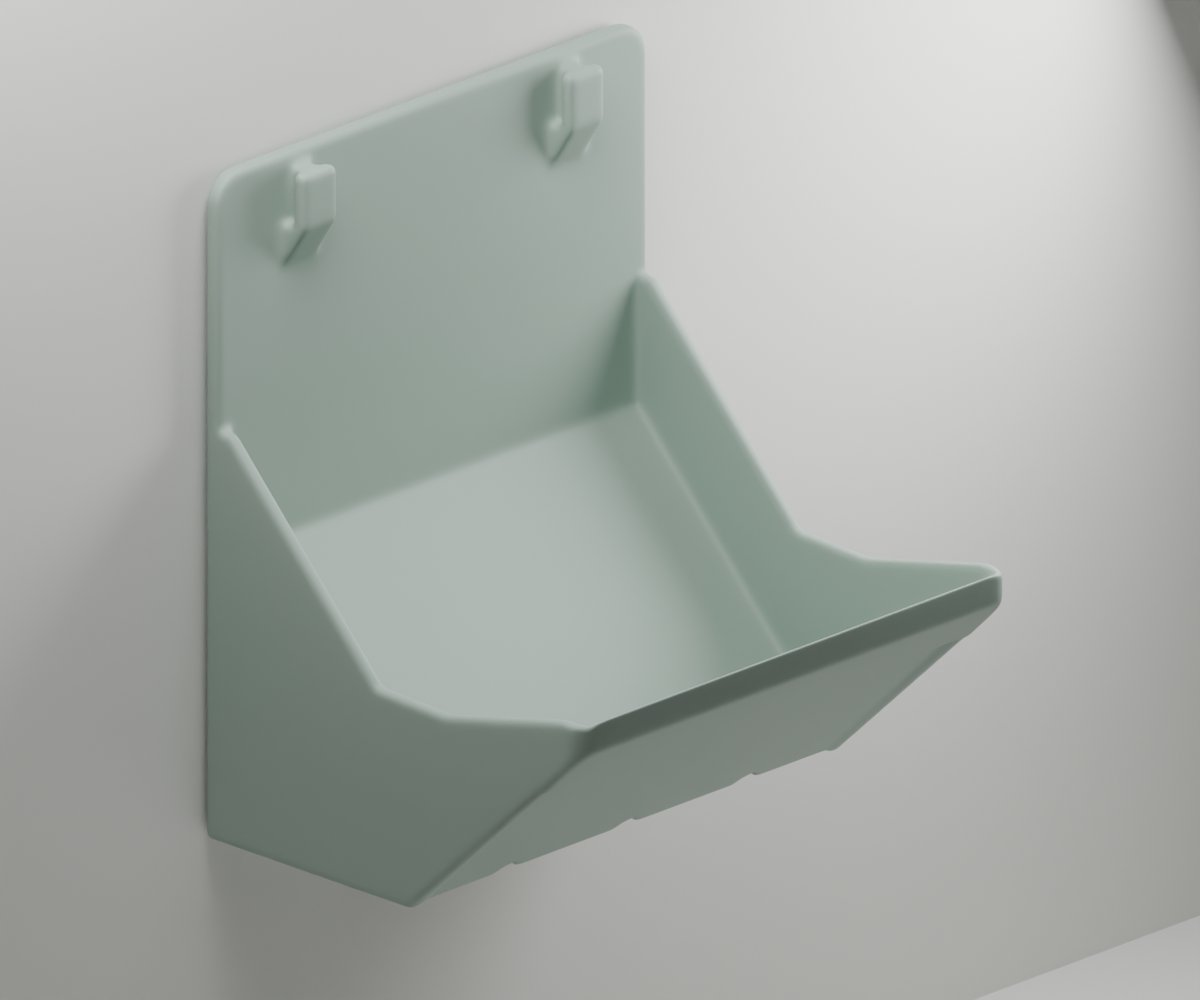
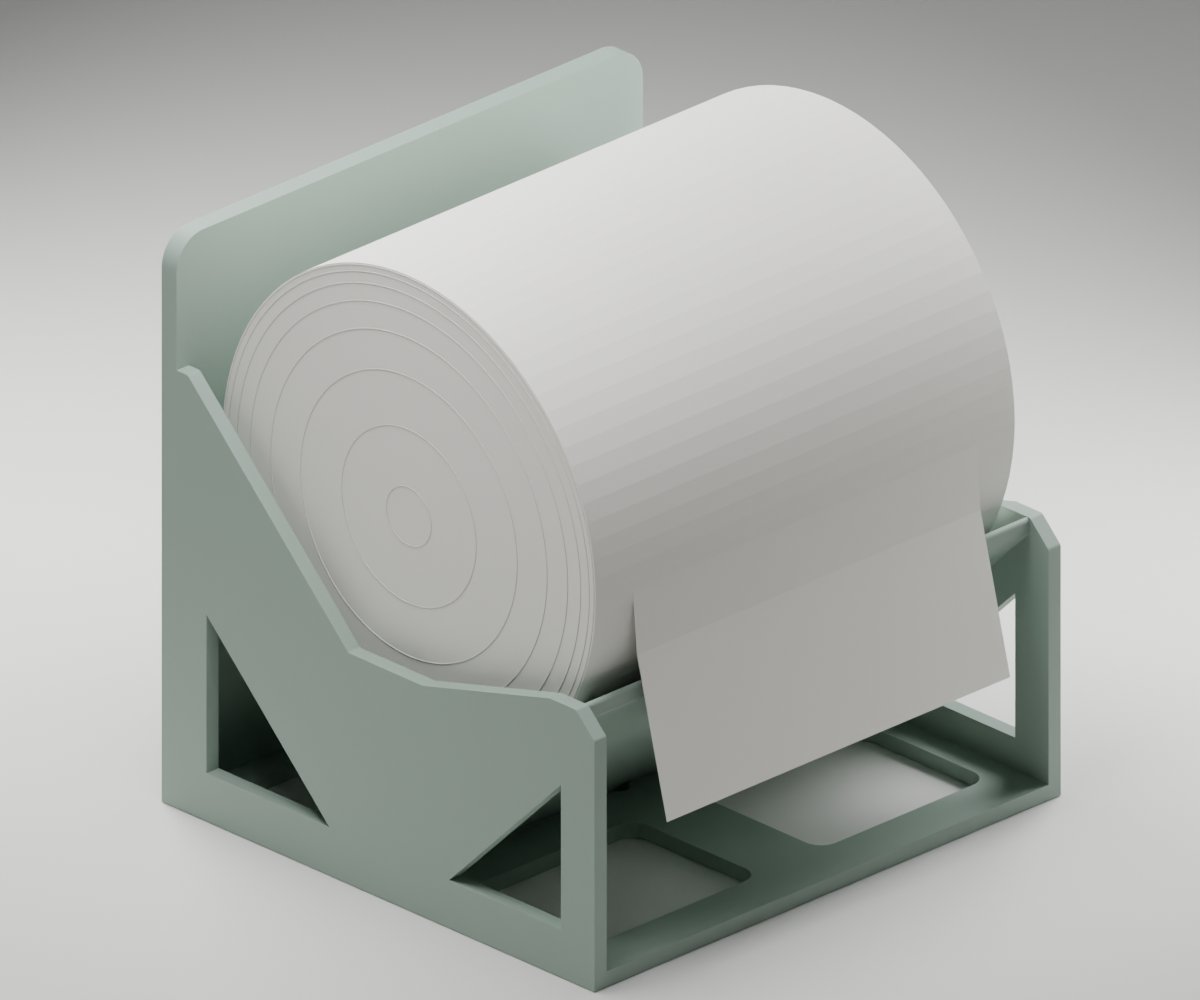
The process I'm keeping: Photo + measurements → CAD → simplify for the actual mounting → check fit and removal → round edges → check again → slice. The two-part design has passed the digital fit and slicing checks. Next: print it and see how it feeds.

I needed a holder for a coreless toilet roll, stuck to the wall below our phone shelf. I sent Codex a bathroom photo and two measurements. Codex made the CAD and exported files for Bambu Studio. Then came my revisions: add a removable splash cover, simplify the bottom frame, shorten the side braces, round the edges. @OpenAI @BambulabGlobal One small change had a knock-on effect: rounding the clips meant raising the cover about 1 mm. We also checked the lift-and-pull path for changing rolls.


I'm building #K12Play, a world for kids to explore. The first model (GPT-5.6 Sol) gave me a red pitched roof. After more work, it still looked like a wavy sheet. The height and depth were wrong. I isolated the roof and described it as clay: start with an arch, pull some edges down, lift others up. Shape the back, too. We made a 9×7 B-spline surface with adjustable parameters. I checked the CAD views and white model before rebuilding the hall around it. Then came the material problems: obvious repeating tiles, plus UVs lost during mesh batching. I had to describe colors and patterns against the roof's crown, shoulders, and eaves, and check the mapping inside the game. My SOP now: - Set a visual target and list the differences. - Isolate the hardest part; make its shape adjustable. - Review CAD views and the white model before assembly. - Add materials; verify their placement and UVs in-game. - Walk the scene. Pick the biggest visible problem for the next round. Design → CAD → white model → game.

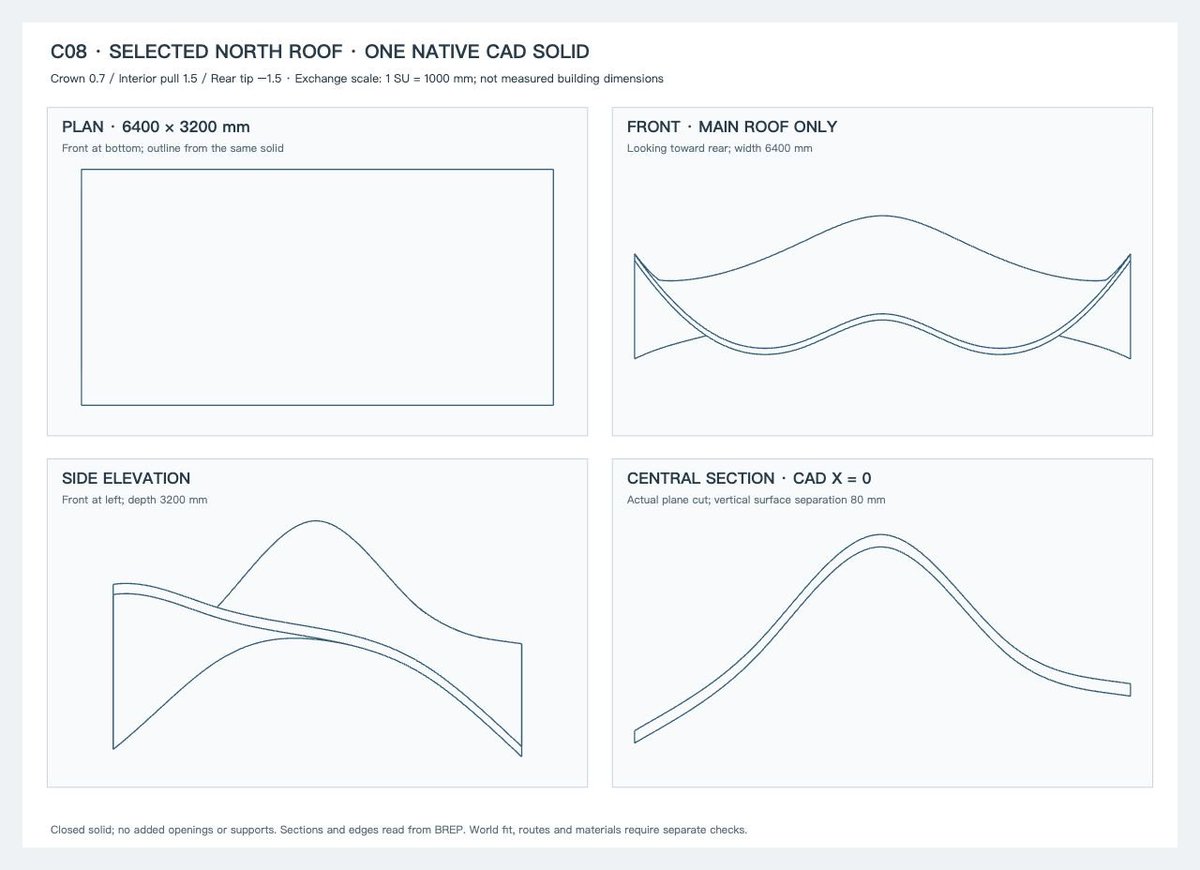
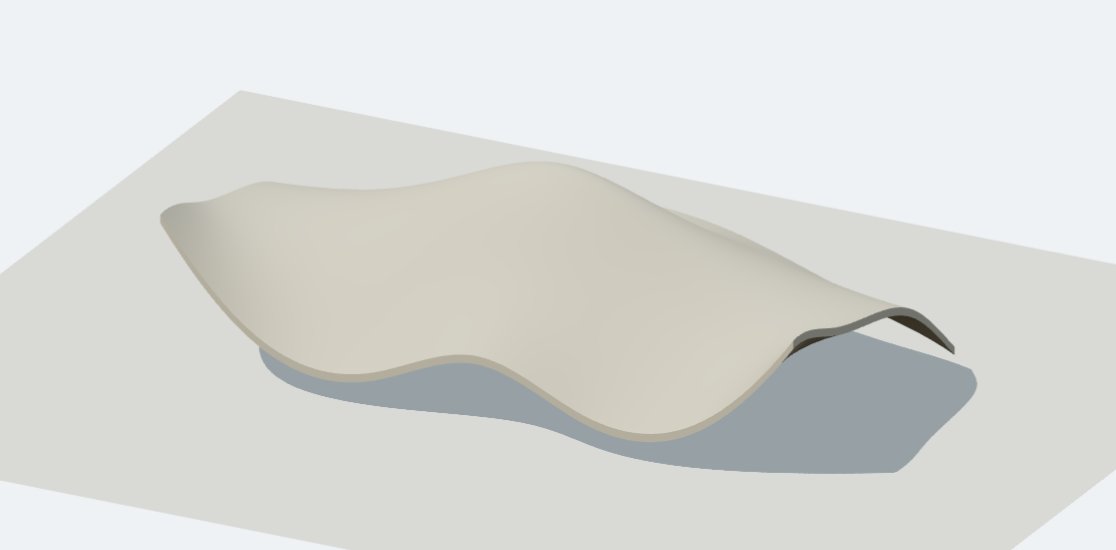

That’s the workflow behind the showcase. A target to compare against. A priority for the next round. A review gate before integration. I’m sharing both the things I make for kids and what I learn getting them built. K12Play Universe. Still building.
8/ Use CAD to inspect buildings and spatial relationships. Check dimensions, connections, intersections, and clearances before making the scene more elaborate. CAD gives me structure I can inspect. Then the actual render gets its own visual review. Both checks matter.
I’m building a world for kids with AI. I burned a lot of tokens on details while the big visual problems stayed. What helped: a visual target, a priority order, and a review gate. 8 practical lessons from K12Play’s character and world iterations 🧵
I’d recommend building reusable character models with a human skeleton. Workflow: first use imagegen to generate four orthographic views (axonometric, top, left, and front), then have Codex model from those references and iterate by comparing against the design sheets until it matches. For the interactive part, Godot is more agent-friendly than Three.js—you can scrub the timeline, record the viewport, and work across multiple windows more efficiently. That said, if the end goal is a web deploy, Three.js is still smoother. For pure story/dialogue scenes, skip full 3D modeling; it burns a lot of tokens.


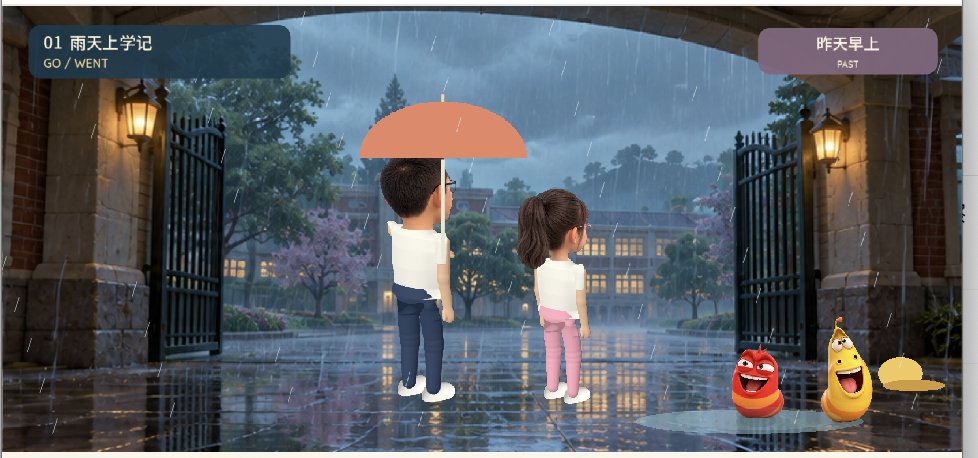

This is what great technical visualization should do: make the invisible legible. You’re not just showing the object—you’re revealing the process behind it, which is exactly what I want for invisible events. Beautiful work—would you be open to sharing your workflow? Thank you.
You can try it yourself here. Fly with the birds over the stormy sea, sound on. …eather-study.joewalker95.chatgpt.site/storm/


I gave GPT-6 one image and a prompt. Asked for an interactive film. It used Blender and gave me back a single HTML file. Open sea. Storm clouds rolling in. Two birds skimming the waves. The camera moves like a real cinematographer is behind it. And it has sound 🎧. I just sat there watching it. Shocked. Every feather is built and textured. Image 3 is one of them up close. @OpenAIDevs @OpenAI
K12Play Universe, Day 3. New trick: I let AI review AI. I generate a target concept with GPT's image model. Then Codex compares it with the live render and writes an HTML review report. Area by area: what's different, why, and what to fix next. That report sets the focus for the agent's next iteration. Pitfalls I hit before this: 1. The agent forgot to use textures. Lots of tokens burned. Buildings didn't get prettier. 2. Code-built buildings stay simple geometry. They never feel like art. 3. No spatial design. The agent polishes single objects and forgets the overall mood. Images 3–4 are today's result. About 10% better than yesterday 😂 @OpenAIDevs @OpenAI


ANIME POST @Animetxtss
864 Followers 1K Following
Exploratorium @exploratorium
87K Followers 2K Following Tinker, touch, test, experiment, notice, and play with 650+ interactive science exhibits.
OpenAI @OpenAI
5.5M Followers 4 Following OpenAI’s mission is to ensure that artificial general intelligence benefits all of humanity. We’re hiring: https://t.co/dJGr6LgzPA
Claude @claudeai
2.0M Followers 2 Following Claude is an AI assistant built by @anthropicai to be safe, accurate, and secure. Talk to Claude on https://t.co/ZhTwG8d1e5 or download the app.
Techartist @techartist_
21K Followers 198 Following Experiments in code, form, light and motion. Building interactive 3D worlds, experiences and games.

Nurture @NurtureKidsApp
113 Followers 86 Following 💜 Games & stories that help kids build life skills (ages 4-7) 🟢 Designed by child development experts & educators 📲 Safe, ad-free & FREE to try 👇
Danny Limanseta @DannyLimanseta
35K Followers 1K Following I make games with AI. Product Designer, Co-founder at Nurture and Reroll.

Alvin Sng @alvinsng
6K Followers 631 Following MTS at @FactoryAI; previously at: Meta, Airbnb, Brex & Opendoor

The Math Flow @TheMathFlow
90K Followers 56 Following Mathematics insights presented through animations, formulas, pictures, graphics, quotes, books, history, and memes. Open DM.
よい🌱自然遊�... @yoi_no_myozyo
11K Followers 182 Following 【こどもと一緒に何しよう?】自然遊び大好き野生児@年中と、体験多動母の日記。バズった投稿はハイライト。おすすめ絵本は楽天ROOM。森林インストラクター / 季節の体験 / 実験 / 観察 / 畑 / 童具館つみき / ベビそろ5期生 / STEAMPD
Peter Doherty @KiwiCo
59 Followers 0 Following


Google Gemini @GeminiApp
602K Followers 53 Following The Gemini app turns research into reality, bringing frontier AI experiences like Omni, Nano Banana, and more to over a billion people.
Chiro Visuals @chirovisuals
2K Followers 226 Following Web, Game dev & 3D specialist Open for creative projects & collabs 🫶 Contact me through my website or my email : [email protected] )
Hugging Face @huggingface
831K Followers 227 Following The AI community building the future. https://t.co/TpiXQMQ9rZ
Lenny Rachitsky @lennysan
456K Followers 3K Following Deeply researched product, growth, and career advice
kache @yacineMTB
413K Followers 7K Following RL, robots, embedded, simulators. prev eng @ x, stripe. 6'3 (height) tensorpunk, Father 2u2 subscribe to read my blog!



Paweł Huryn @PawelHuryn
136K Followers 442 Following AI PM | Deep research. I build, test, then teach. 130K+ subscribe → https://t.co/Tpe2QTFxY2
Justin Kan @justinkan
627K Followers 2K Following From the bottom to the top & back again. Co-founded @twitch, now working on making videos, https://t.co/J6efUJZmLI https://t.co/4hyHeP7oIB
George from 🕹prodm... @nurijanian
121K Followers 2K Following Can I make everyone a great product manager? I will do my best | Personal/Team OS for Product Management ⬇️
Johnny Ho @randomjohnnyh
230K Followers 279 Following Cofounder, CSO @perplexity_ai. Former high frequency trader, competitive programmer. Think fast, build faster.
Andrej Karpathy @karpathy
4.4M Followers 1K Following
Alexandr Wang @alexandr_wang
836K Followers 946 Following chief ai officer @meta, founder meta superintelligence labs, founder @scale_ai. give everyone the adulthood they dreamed of in childhood
Stefano Ermon @StefanoErmon
257K Followers 348 Following AI Prof @Stanford | Cofounder @_inception_ai | Co-inventor of DDIM, FlashAttention, DPO, GAIL, and score-based/diffusion models
clem 🤗 @ClementDelangue
731K Followers 5K Following Co-founder & CEO @HuggingFace 🤗, the open and collaborative platform for AI builders
Mira Murati @miramurati
1.0M Followers 643 Following Now building @thinkymachines. Previously CTO @OpenAI
Andrew Ng @AndrewYNg
2.0M Followers 1K Following Co-Founder of Coursera; Stanford CS adjunct faculty. Former head of Baidu AI Group/Google Brain. #ai #machinelearning, #deeplearning #MOOCs

Toby Pohlen @TobyPhln
276K Followers 630 Following Making music. Previously founding team @SpaceXSI, engineer @GoogleDeepMind. @RWTH alumnus.




Yuchen Jin @Yuchenj_UW
309K Followers 881 Following Cooking fun AI systems & products @databricks. Prev: co-founder & CTO @ Hyperbolic, OctoAI (acquired by @nvidia) Apache TVM, PhD @ University of Washington.
Sam Altman @sama
6.4M Followers 1K Following The mission of OpenAI is to ensure that AGI benefits all of humanity
Mustafa Suleyman @mustafasuleyman
1.2M Followers 181 Following CEO, @MicrosoftAI | Author: The Coming Wave | Past: Co-founder, @InflectionAI & @GoogleDeepMind

Mary Barra @mtbarra
6.0M Followers 126 Following @GM Chair and CEO leading an outstanding team with the ambition, talent and technology to create a world with zero crashes, zero emissions and zero congestion.
Demis Hassabis @demishassabis
2.0M Followers 179 Following Nobel Laureate. Co-Founder & Chair @GoogleDeepMind; Chief Scientist of Alphabet. Founder & CEO @IsomorphicLabs. Trying to understand the nature of reality...

You might like


















