

Eisho Tsuji @etsujivision
Kyoto, Japan Joined October 2020-
Tweets28
-
Followers2
-
Following8
-
Likes24

ローカルLLMガチ勢に朗報! 最大9GPUに対応するマザボ誕生。


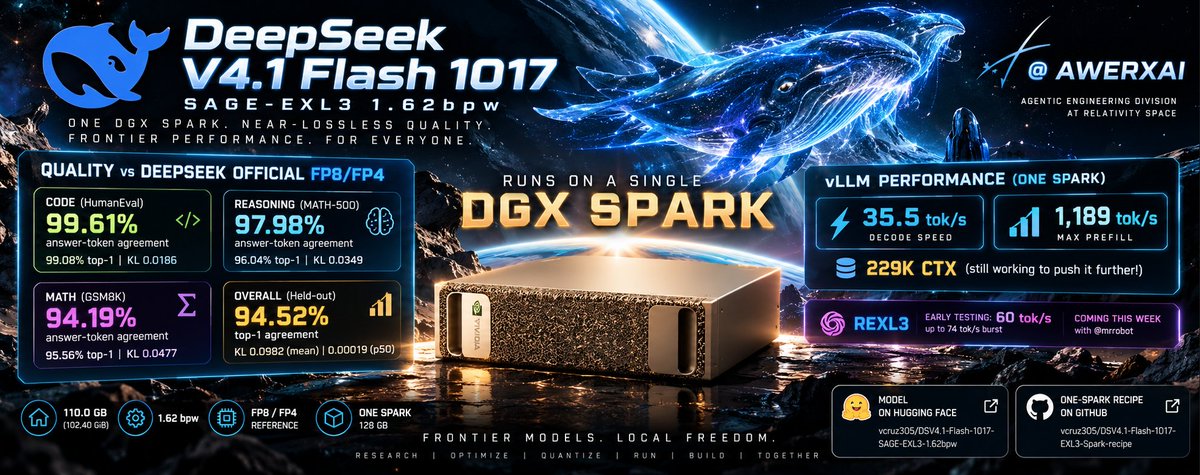
🚨 𝗜 𝗝𝗨𝗦𝗧 𝗔𝗖𝗛𝗜𝗘𝗩𝗘𝗗 𝗦𝗢𝗠𝗘𝗧𝗛𝗜𝗡𝗚 𝗜𝗡𝗖𝗥𝗘𝗗𝗜𝗕𝗟𝗘 𝗢𝗡 𝗢𝗡𝗘 𝗗𝗚𝗫 𝗦𝗣𝗔𝗥𝗞! 🧪🔥 With the support of @AWERXAI, I'm excited to release something VERY special for the local AI community! 🧠 @deepseek_ai 𝗗𝗲𝗲𝗽𝗦𝗲𝗲𝗸 𝗩𝟰.𝟭 𝗙𝗹𝗮𝘀𝗵 𝟭𝟬𝟭𝟳 📦 𝗦𝗔𝗚𝗘-𝗘𝗫𝗟𝟯 𝗮𝘁 𝗷𝘂𝘀𝘁 𝟭.𝟲𝟮 𝗯𝗽𝘄 𝗲𝘅𝗽𝗲𝗿𝘁𝘀 💻 𝟵𝟵.𝟲𝟭% 𝗖𝗢𝗗𝗘 𝗮𝗻𝘀𝘄𝗲𝗿-𝘁𝗼𝗸𝗲𝗻 𝗮𝗴𝗿𝗲𝗲𝗺𝗲𝗻𝘁! ⚡ 𝟯𝟱.𝟱 𝘁𝗼𝗸/𝘀 𝗱𝗲𝗰𝗼𝗱𝗲 𝗼𝗻 𝘃𝗟𝗟𝗠! 🚀 𝟭,𝟭𝟴𝟵 𝘁𝗼𝗸/𝘀 𝗠𝗔𝗫 𝗣𝗥𝗘𝗙𝗜𝗟𝗟! 🧠 𝟮𝟮𝟵𝗞 𝗖𝗧𝗫 (𝘀𝘁𝗶𝗹𝗹 𝘄𝗼𝗿𝗸𝗶𝗻𝗴 𝘁𝗼 𝗽𝘂𝘀𝗵 𝗶𝘁 𝗳𝘂𝗿𝘁𝗵𝗲𝗿!) 𝗔𝗟𝗟 𝗢𝗡 𝗢𝗡𝗘. 𝗗𝗚𝗫. 𝗦𝗣𝗔𝗥𝗞. 🤯 And YES, the quantized weights are AVAILABLE NOW! 💚 ━━━━━━━━━━━━━━━━━━━━ 🧪 𝗧𝗛𝗘 𝗟𝗔𝗦𝗧 𝟳𝟮 𝗛𝗢𝗨𝗥𝗦 𝗛𝗔𝗩𝗘 𝗕𝗘𝗘𝗡 𝗜𝗡𝗦𝗔𝗡𝗘! Just a few days ago, I published my article about @nvidiaai's FP4-Local format: The Good, The Bad & The Ugly. One thing really stuck with me... NVIDIA demonstrated what was possible when aggressive quantization and intelligent optimization come together. But there's a problem. 𝗥𝗘𝗣𝗥𝗢𝗗𝗨𝗖𝗜𝗡𝗚 𝗠𝗔𝗦𝗦𝗜𝗩𝗘 𝗤𝗨𝗔𝗡𝗧𝗜𝗭𝗔𝗧𝗜𝗢𝗡 𝗧𝗥𝗔𝗜𝗡𝗜𝗡𝗚 𝗣𝗜𝗣𝗘𝗟𝗜𝗡𝗘𝗦 𝗜𝗦 𝗢𝗨𝗧 𝗢𝗙 𝗥𝗘𝗔𝗖𝗛 𝗙𝗢𝗥 𝗠𝗢𝗦𝗧 𝗟𝗢𝗖𝗔𝗟 𝗔𝗜 𝗘𝗡𝗧𝗛𝗨𝗦𝗜𝗔𝗦𝗧𝗦. That inspired me. I've been developing my own SAGE-EXL3 process, and I wanted to see just how far I could push the latest DeepSeek Flash release while keeping the results accessible to the community. So I spent the last 72 hours pushing the limits. And the results genuinely surprised me! 🔥 ━━━━━━━━━━━━━━━━━━━━ 🏆 𝗧𝗛𝗘 𝗥𝗘𝗦𝗨𝗟𝗧𝗦 𝗔𝗥𝗘 𝗖𝗥𝗔𝗭𝗬! I measured my 1.62 bpw expert quant against DeepSeek's native FP4 release checkpoint using held-out sequences and full-vocabulary token predictions. And when I saw the CODE results, I could barely believe it! 🧪 𝗙𝗜𝗗𝗘𝗟𝗜𝗧𝗬 𝗩𝗦 𝗗𝗘𝗘𝗣𝗦𝗘𝗘𝗞'𝗦 𝗡𝗔𝗧𝗜𝗩𝗘 𝗙𝗣𝟴/𝗙𝗣𝟰 𝗥𝗘𝗟𝗘𝗔𝗦𝗘 💻 𝗖𝗢𝗗𝗘 — 𝗛𝘂𝗺𝗮𝗻𝗘𝘃𝗮𝗹 ✅ 99.08% Top-1 Agreement ✅ 𝟵𝟵.𝟲𝟭% 𝗔𝗡𝗦𝗪𝗘𝗥-𝗢𝗡𝗟𝗬 𝗔𝗚𝗥𝗘𝗘𝗠𝗘𝗡𝗧! ✅ KL Divergence: 0.0186 🧠 𝗥𝗘𝗔𝗦𝗢𝗡𝗜𝗡𝗚 — 𝗠𝗔𝗧𝗛-𝟱𝟬𝟬 ✅ 96.04% Top-1 Agreement ✅ 97.98% Answer-Only Agreement ✅ KL Divergence: 0.0349 🔢 𝗠𝗔𝗧𝗛 — 𝗚𝗦𝗠𝟴𝗞 ✅ 95.56% Top-1 Agreement ✅ 94.19% Answer-Only Agreement ✅ KL Divergence: 0.0477 📊 𝗢𝗩𝗘𝗥𝗔𝗟𝗟 𝗛𝗘𝗟𝗗-𝗢𝗨𝗧 𝗙𝗜𝗗𝗘𝗟𝗜𝗧𝗬 🏆 94.52% Top-1 Agreement 📉 Mean KL: 0.0982 🎯 Median KL: 0.00019 𝗡𝗘𝗔𝗥-𝗟𝗢𝗦𝗦𝗟𝗘𝗦𝗦 𝗖𝗢𝗗𝗘 𝗧𝗢𝗞𝗘𝗡 𝗙𝗜𝗗𝗘𝗟𝗜𝗧𝗬 𝗔𝗧 𝗝𝗨𝗦𝗧 𝟭.𝟲𝟮 𝗕𝗣𝗪 𝗘𝗫𝗣𝗘𝗥𝗧𝗦! 🤯 These are direct teacher-forced fidelity measurements against native FP8, not task-level pass rates. But seeing this level of agreement at such aggressive compression is EXACTLY what I was working toward! ━━━━━━━━━━━━━━━━━━━━ ⚡ 𝗔𝗡𝗗 𝗬𝗘𝗦, 𝗜𝗧 𝗔𝗖𝗧𝗨𝗔𝗟𝗟𝗬 𝗥𝗨𝗡𝗦 𝗢𝗡 𝗢𝗡𝗘 𝗦𝗣𝗔𝗥𝗞! Not two Sparks. Not four Sparks. Not an expensive rented GPU cluster. 𝗢𝗡𝗘 𝟭𝟮𝟴𝗚𝗕 𝗗𝗚𝗫 𝗦𝗣𝗔𝗥𝗞. My latest vLLM measurements: ⚡ Decode: 35.5 tok/s 🚀 Maximum measured prefill: 1,189 tok/s For a model this large, compressed this aggressively, and maintaining this level of fidelity... 𝗧𝗛𝗔𝗧'𝗦 𝗔 𝗕𝗜𝗚 𝗗𝗘𝗔𝗟 𝗙𝗢𝗥 𝗟𝗢𝗖𝗔𝗟 𝗔𝗜! 💚 And remember, 1.62 bpw refers to the routed experts, not every parameter in the full model. ━━━━━━━━━━━━━━━━━━━━ 💚 𝗪𝗛𝗬 𝗧𝗛𝗜𝗦 𝗠𝗔𝗧𝗧𝗘𝗥𝗦. I have a simple goal. 𝗠𝗔𝗞𝗘 𝗣𝗢𝗪𝗘𝗥𝗙𝗨𝗟 𝗔𝗜 𝗔𝗖𝗖𝗘𝗦𝗦𝗜𝗕𝗟𝗘 𝗧𝗢 𝗣𝗘𝗢𝗣𝗟𝗘 𝗪𝗛𝗢 𝗗𝗢𝗡'𝗧 𝗛𝗔𝗩𝗘 𝗔𝗖𝗖𝗘𝗦𝗦 𝗧𝗢 𝗗𝗔𝗧𝗔𝗖𝗘𝗡𝗧𝗘𝗥𝗦. I don't want the future of local AI to be determined by who can rent the most GPUs or afford the largest training runs. I want developers, independent researchers and enthusiasts to have the freedom to experiment, quantize, optimize and run powerful models on hardware they actually OWN. NVIDIA's FP4-Local research showed me just how much potential remains in aggressive quantization. My goal with SAGE-EXL3 is to keep pushing that frontier while making advanced quantization more practical for the wider community. Today, I'm sharing the quantized checkpoint and the one-Spark serving recipe. 𝗧𝗛𝗜𝗦 𝗜𝗦 𝗝𝗨𝗦𝗧 𝗧𝗛𝗘 𝗕𝗘𝗚𝗜𝗡𝗡𝗜𝗡𝗚. ━━━━━━━━━━━━━━━━━━━━ 🧪 𝗡𝗢𝗪 𝗙𝗢𝗥 𝗧𝗛𝗘 𝗥𝗘𝗔𝗟 𝗧𝗘𝗦𝗧! The token-level fidelity results are incredible, but I'm not stopping there. I'm currently running a broader evaluation campaign to measure how closely this quant preserves the native FP8 model's actual task performance. 💻 HumanEval+ / MBPP+ 🧠 MMLU-Pro STEM / MATH-500 🔬 SciCode / LiveCodeBench 🔧 BFCL / Multi-step tool chains 🌍 MGSM 𝗧𝗛𝗘 𝗚𝗢𝗔𝗟 𝗜𝗦 𝗧𝗢 𝗣𝗥𝗢𝗩𝗘 𝗧𝗛𝗔𝗧 𝗔𝗚𝗚𝗥𝗘𝗦𝗦𝗜𝗩𝗘 𝗖𝗢𝗠𝗣𝗥𝗘𝗦𝗦𝗜𝗢𝗡 𝗗𝗢𝗘𝗦𝗡'𝗧 𝗛𝗔𝗩𝗘 𝗧𝗢 𝗠𝗘𝗔𝗡 𝗔𝗚𝗚𝗥𝗘𝗦𝗦𝗜𝗩𝗘 𝗤𝗨𝗔𝗟𝗜𝗧𝗬 𝗟𝗢𝗦𝗦! Those task-level results are coming next! 👀 ━━━━━━━━━━━━━━━━━━━━ 👀 𝗔𝗡𝗗 𝗢𝗡𝗘 𝗟𝗜𝗧𝗧𝗟𝗘 𝗧𝗘𝗔𝗦𝗘𝗥... @mr_r0b0t and I have also been working on an GB10 specialized inference engine called 𝗥𝗘𝗫𝗟𝟯. Early testing has been VERY exciting, including 60 tok/s with bursts reaching 74tok/s! We're putting the finishing touches on it and making sure everything is solid before releasing it. More on that VERY soon. 😏 ━━━━━━━━━━━━━━━━━━━━ 🙏 𝗔 𝗛𝗨𝗚𝗘 𝗧𝗛𝗔𝗡𝗞 𝗬𝗢𝗨! To @AWERXAI for supporting my work and helping make this contribution to the community possible. To @nvidiaai for the FP4-Local research that inspired me to push this experiment even further. To @justinn_builds for his initial vllm TP4 recipe that got me started in the right direction for loading this model up. To @mr_r0b0t for collaborating with me on what's coming next! And to @deepseek_ai for continuing to release powerful open-weight models that make community experiments like this possible. 𝗧𝗛𝗘 𝗕𝗘𝗦𝗧 𝗣𝗔𝗥𝗧 𝗢𝗙 𝗢𝗣𝗘𝗡 𝗔𝗜 𝗜𝗦 𝗪𝗛𝗔𝗧 𝗧𝗛𝗘 𝗖𝗢𝗠𝗠𝗨𝗡𝗜𝗧𝗬 𝗖𝗔𝗡 𝗕𝗨𝗜𝗟𝗗 𝗢𝗡 𝗧𝗢𝗣 𝗢𝗙 𝗜𝗧. 💚 🔗 𝗗𝗢𝗪𝗡𝗟𝗢𝗔𝗗 𝗠𝗬 𝗦𝗔𝗚𝗘-𝗘𝗫𝗟𝟯 huggingface.co/vcruz305/DSV4.… 🛠️ 𝗢𝗡𝗘-𝗦𝗣𝗔𝗥𝗞 𝗥𝗘𝗖𝗜𝗣𝗘 github.com/vcruz305/DSV4.… 𝗢𝗡𝗘 𝗦𝗣𝗔𝗥𝗞. 𝟭.𝟲𝟮 𝗕𝗣𝗪 𝗘𝗫𝗣𝗘𝗥𝗧𝗦. 𝟵𝟵.𝟲𝟭% 𝗖𝗢𝗗𝗘 𝗔𝗡𝗦𝗪𝗘𝗥 𝗔𝗚𝗥𝗘𝗘𝗠𝗘𝗡𝗧. 𝗟𝗘𝗧'𝗦 𝗞𝗘𝗘𝗣 𝗣𝗨𝗦𝗛𝗜𝗡𝗚 𝗟𝗢𝗖𝗔𝗟 𝗔𝗜 𝗙𝗢𝗥𝗪𝗔𝗥𝗗! 🚀🔥

Fog scatters ambient light, and any sensor that depends on it will fail. This is one Ouster OS1 in two channels. Near-IR records ambient light the way a camera does, and the intersection nearly disappears in the fog. Reflectivity comes from the sensor’s own laser pulses, and crosswalks, lane lines, cars, and buildings come back clearly. That is the core advantage of active sensing. Ouster lidar brings its own light and measures distance directly from each pulse’s return, so it does not depend on daylight, streetlights, or a clear horizon. For intersections, perimeters, and autonomous machines, the conditions that matter most are night, fog, glare, and storms, and that is exactly when passive sensors fall off. Critical systems need data they can trust at the worst moment, not just the best one.

Anthropicの研究者の講演。マッチポンプというか、さすがに的確だ。 学生たちへの3つのアドバイス: 1. 毎日AIを使いなさい。指数関数的増加の上に乗っていれば、決してそれに遅れをとりません。 2. 計算量がスケールアップすると改善するプロジェクトを選びなさい。他のものは、あなたが終わる前に解決されてしまいます。 3. キャリアを安定したものとして計画するのをやめなさい。安全な選択はもう安全を買えません、そんなものはもう存在しません。 すべてを要約する一文: 「書くことは考えることだ。自分の書き方を外部化すれば、自分の考え方も外部化する。」

Un investigador de Anthropic acaba de decirle a una sala llena de doctorandos que su plan de carrera ya no existe. La charla se titula "El fin del Antropoceno" y los datos son brutales: → El cómputo para entrenar modelos se multiplicó por 10 millones en la última década → La

Introducing RoboJEPA, the first scaling law for multiembodiment world models. We scaled JEPA predictors up to 8B params, showed scaling laws extrapolate and correlated compute scaling with planning performance. We release all checkpoints and the code. robojepa.github.io

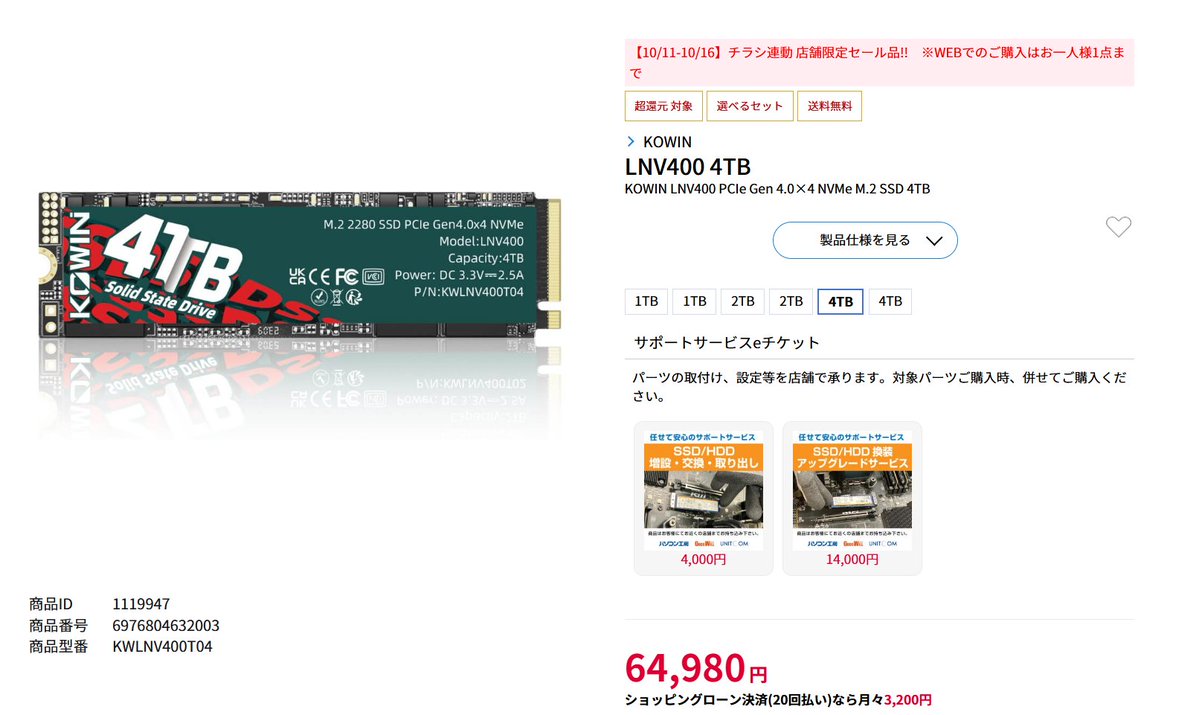
今週のパソコン工房さんのKOWINSSDも安い! 4TBで64980円だよー!!

New release is out! - Intel Arc works fast now! - Multi-GPU (+40%) boost - Low-RAM setups now fly - DGX Spark 10X faster - Outputs 4% faster - Short prompts are now blazing quick github.com/Niko1221/Strat…

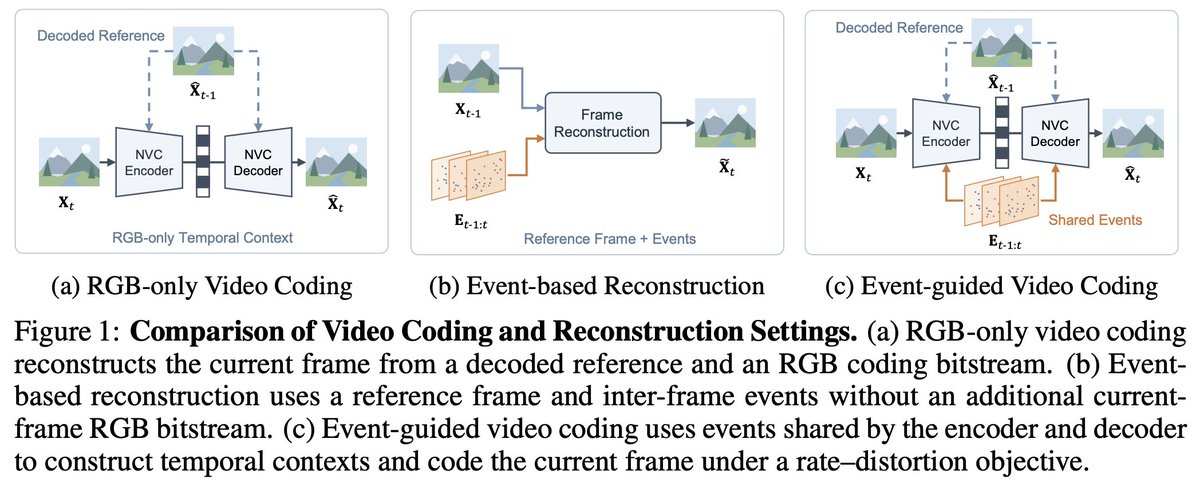
Kong et al. Event-guided Neural Video Compression arxiv.org/pdf/2610.02265

オースティンで大雨 雨に弱いLiDAR方式のWaymoは運行停止 カメラのみのTeslaは運行を独占

Mac・DGX SparkでLLM推論を最大3倍高速化する「TensorFold」の概要|npaka @npaka123 note.com/npaka/n/n3d3e0…
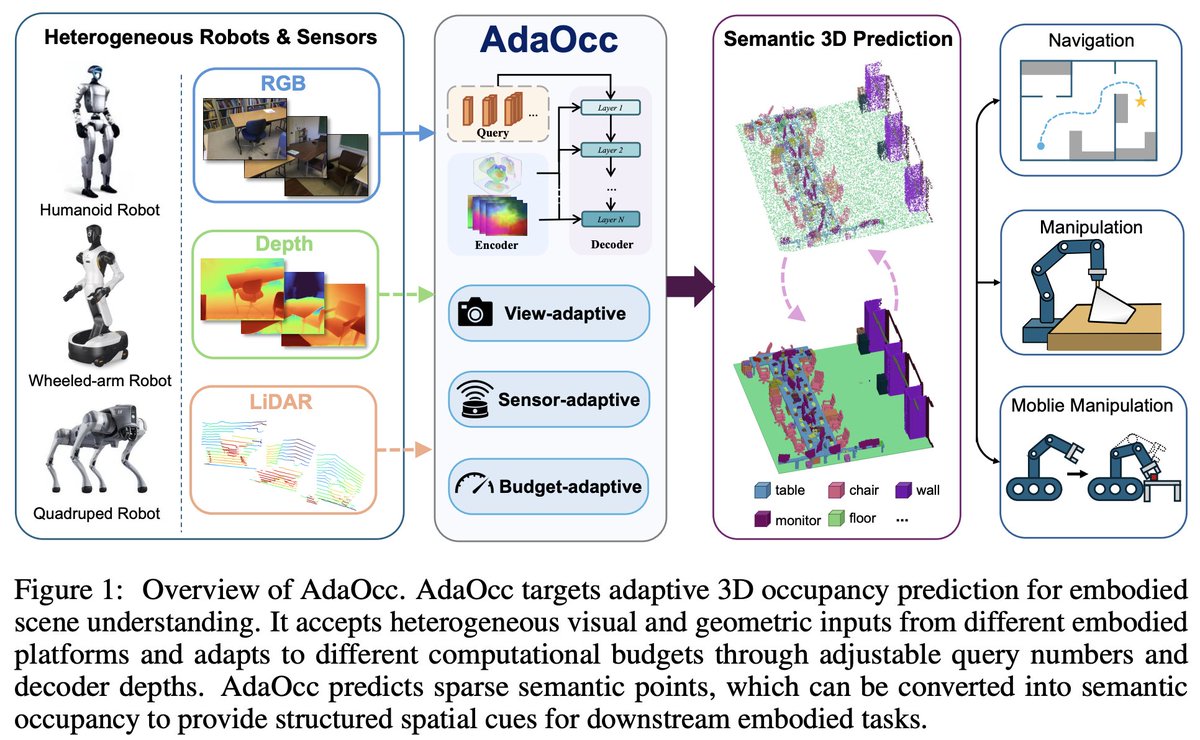
Wang et al. AdaOcc: Adaptive 3D Occupancy Prediction for Embodied Tasks arxiv.org/pdf/2609.38864

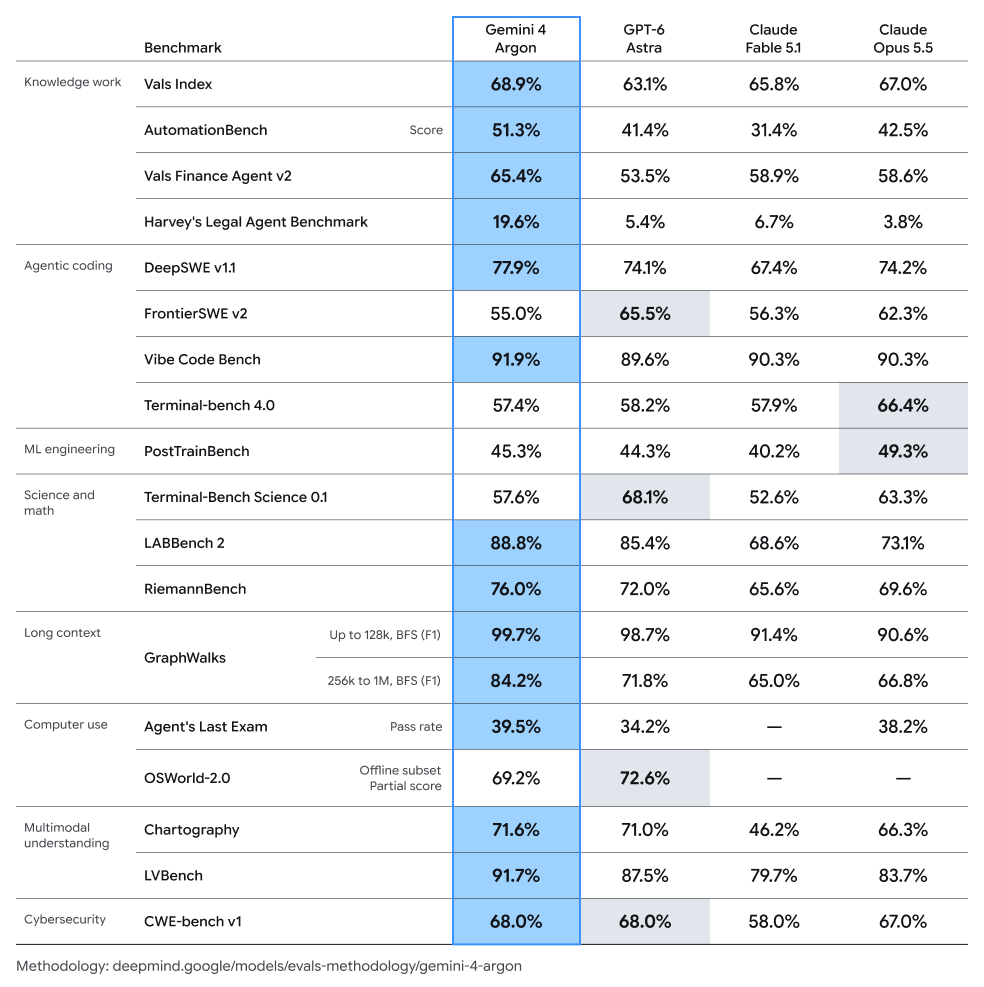
Introducing Gemini 4 Argon – our new frontier model. It’s built for complex workflows across coding, enterprise knowledge work, and cybersecurity defense – rolling out today to a set of trusted testers through our Fairwind Program.
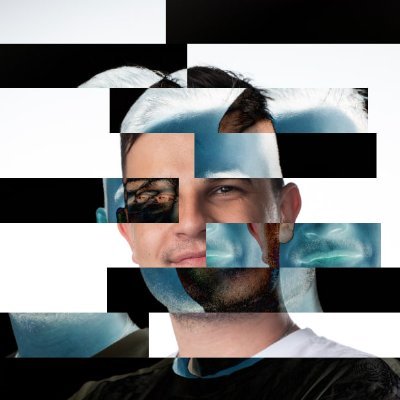
Zhang et al. S4VY: Segment Anything in Feed-Forward 4D Visual Geometry arxiv.org/pdf/2609.36875
This was not recorded with a camera. It is a 3D point cloud captured from a drone with a Rev8 OS1 Max over Coit Tower in San Francisco, every point carrying its true position and its real color. This is what high-altitude drone mapping looks like when you do not have to trade range for detail. The OS1 Max reaches 200 meters at 10% reflectivity, so a drone flies high and covers more ground per pass, and holds point density at speed, so it flies faster lines without thinning the data underneath. Stunning to look at, and measurable, survey-grade data underneath. See the full dataset in Ouster Studio: studio.ouster.com/share/VSOU37R3…
GPT-6.1 Sol is almost as good as Astra on object detection (and segmentation) - #2 on our detection benchmark - 2% behind GPT-6 Astra - 78% lower cost ↓ leaderboards and examples


GPT-6.1 Sol: near-Astra intelligence for a fifth of the price. It’s the most cost-efficient model for its performance available today.

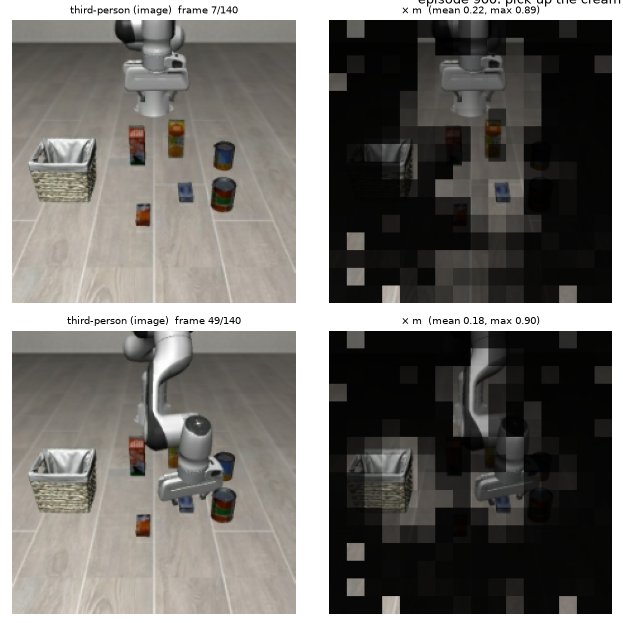
VLA内部のVLMに画像内のどこに注目すればよいのかmaskさせるやつ. 結構面白いかも.

Students sometimes ask me if it still makes sense, in this accelerating age, to pursue a PhD in AI. Perhaps counterintuitively, I think it's a great time to do so. I wrote up some thoughts on this here: web.mit.edu/phillipi/www/w…
rumor is this post is making waves inside NVIDIA. good. took me 3 days to write. link: blog.roboflow.com/gpt-6-astra-vi…

Many people at ECCV 2026 were actually worried about computer vision (and their own) future after the Astra came out. If you are as well - watch this @dhh talk. That's the only good way to look at things. youtube.com/watch?v=vDjW_d…


Ken Sakurada @sakuDken
2K Followers 2K Following Interests: Computer Vision, Robotics. ツイートは個人の見解であり所属団体とは関係ありません。

光響LiDARチーム @KokyoLiDARs
1K Followers 1K Following 株式会社光響 #LiDAR 部です。#Livox、ハンディ型LiDAR #LiGrip、バックパック型LiDAR、#Seyond、#Benewake、#SLAMTEC など、LiDAR製品各種の正規代理店です。こぢんまりと運用中
Lidar News @lidarnews
6K Followers 1K Following Managing Editor of LiDAR News. Built Environment industry veteran focused on promoting, improving and developing the 3D laser scanning and lidar industries.
DJI Enterprise @DJIEnterprise
35K Followers 180 Following A global team dedicated to developing world-class drone solutions for a new generation of work. Need technical help? Tweet @DJISupport #DronesHelp
Livox LiDAR @LivoxTech
1K Followers 33 Following LiDAR sensors at an unbeatable combination of resolution, range and price.
Michael Black @Michael_J_Black
107K Followers 744 Following VP Digital Human Research, Epic Games. Emeritus Director, Max Planck Institute for Intelligent Systems (@MPI_IS). Opinions are my own.
Joseph Redmon @pjreddie
15K Followers 473 Following
Ken Sakurada @sakuDken
2K Followers 2K Following Interests: Computer Vision, Robotics. ツイートは個人の見解であり所属団体とは関係ありません。
You might like


















