

Krish @krishtejj
Engineering , Problem Solving , I mostly code(prompt), travel and maybe sometimes watch movies. krishtej.com Bangalore Joined April 2016-
Tweets102
-
Followers24
-
Following104
-
Likes893
@winsttonxavier @narendramodi I was thinking the same yesterday. It’s too stupid people are not asking for it.
@Kulfei Pretty much we all follow one common thing -that is nature. Moon is the bridge here
@OliviaSmith042 India’s most expensive might be around 1400 not 140
@akafaceUS Wave game was also mid then. It has up it’s game now

In India, cricket dominates all other sports, accounting for 89% of the country’s 223-billion-rupee ($2.3 billion) annual sports revenue, according to Houlihan Lokey. So why are these billionaires looking to get a piece of the pie? Read more: forbes.com/sites/yessarro… Biju Boro/AFP via Getty Images

@kanthify People spend more money for that kinda shirts

If I had 1 month to build my Portfolio Project which will get me hired as an AI RAG Engineer, I would do these, starting from basics to advance: 1) Build your vectordb: Arrange a dataset with thousands of unstructured files. You can get it from any open source repository or platform. Now before chunking, you choose type of vectordb you require. Do you need a dedicated vectordb or pg vector extension? This should be a business impact based decision. If you need Vectordb + Crud operations in one database then go with pgvector extension. If you don't have crud operations in your business and require a high scalable vectordb then go with a dedicated vectordb. 2) Engineer the chunking strategy: The first and foremost strategy of any RAG pipeline is chunking. There are various types of chunking strategies like paragraph chunking, paragraph with overlap chunking, document layout aware based chunking, LLM based reasoning chunking, etc. For the files which contains text + images + tables, you can opt for either document layout aware based chunking or build a pipeline to process three different chunking for this three different requirements. 3) Build and Evaluate your first retriever like a real engineer: Choose your retriever strategy, either it could be semantic or keyword based or both. Now question is how you gonna choose? It could be usecase wise too, if that dataset has some keywords which is hard to retrieve semantically then use hybrid approch. In interview they will ask how do you know that semantically it will be harder to fetch those?? To answer this question like a True Real Engineer, you do experiments with this two different retriever strategies semantic vs hybrid. You take 1 eval dataset, and example queries, and give those examples queries to retrieval to fetch chunks from vectordb and then you evaluate those chunks with eval dataset with metrices like Precision, Recall, MRR, Hitrate, Context Recall and Context Relevance. Now you make decisions based on this. 4) Choose LLM like a real engineer: In interview, they will ask why you chose that xyz specific model when alot of options where already there? How you gonna answer??? For that, you need to answer it in layers. First layer is resource constraint. You could choose gpt-3.5 or even gpt-5.5, and the very practical decision is based on cost vs accuracy tradeoffs. You can legit say that i chose gpt-3.5 as in my rag pipeline, even though universally we all know gpt-5.5 is better in terms of accuracy, but the cost is a big constraint. This is a legit explanation. Now interviewer might ask you that in the cost range of gpt-3.5, you have many models then why only gpt-3.5, then there to answer that, you do experiments with 3-4 models by taking eval dataset, and comparing with the answers these models generate, and log their metrices like Faithfulness, Groundness, Answer relevancy, and we can have these metrics evaluated by LLM as a judge or Human Evaluation. And then you say that i found gpt-3.5 metrics better than other 3 models so I chose that. 5) Parameters and hyperparameters: In short, you need to build intutions with experiments. When interviewer ask that why did you choose top-k=3 in llm generation part, or temperature=2, then you better answer it with evidences. 6) Deploy in AWS or Azure and practise system design concepts there. Try load testing and see if your vectordb is handling load, monitor the logs, increase load again and log the metrices. Play around, some will break, fix and debug. The more your decisions are grounded, the more you are closer to real engineering. Otherwise you are just another vibe coder who don't understand a shitt in depth. ⭐ Save. Repost. Follow

138,32,101,92 in the last 4 matches.

🚨BREAKING: Lord's ODI could be Rohit Sharma's last match for India @pdevendra reports #RohitSharma indianexpress.com/article/sports…

138,32,101,92

Lord's ODI could be Rohit Sharma's last match for India
@Alanmar13315503 @MohdZaidyrq6 Hi alan - Can you dm me

Will let the flag do the talking. 🇮🇳🥇
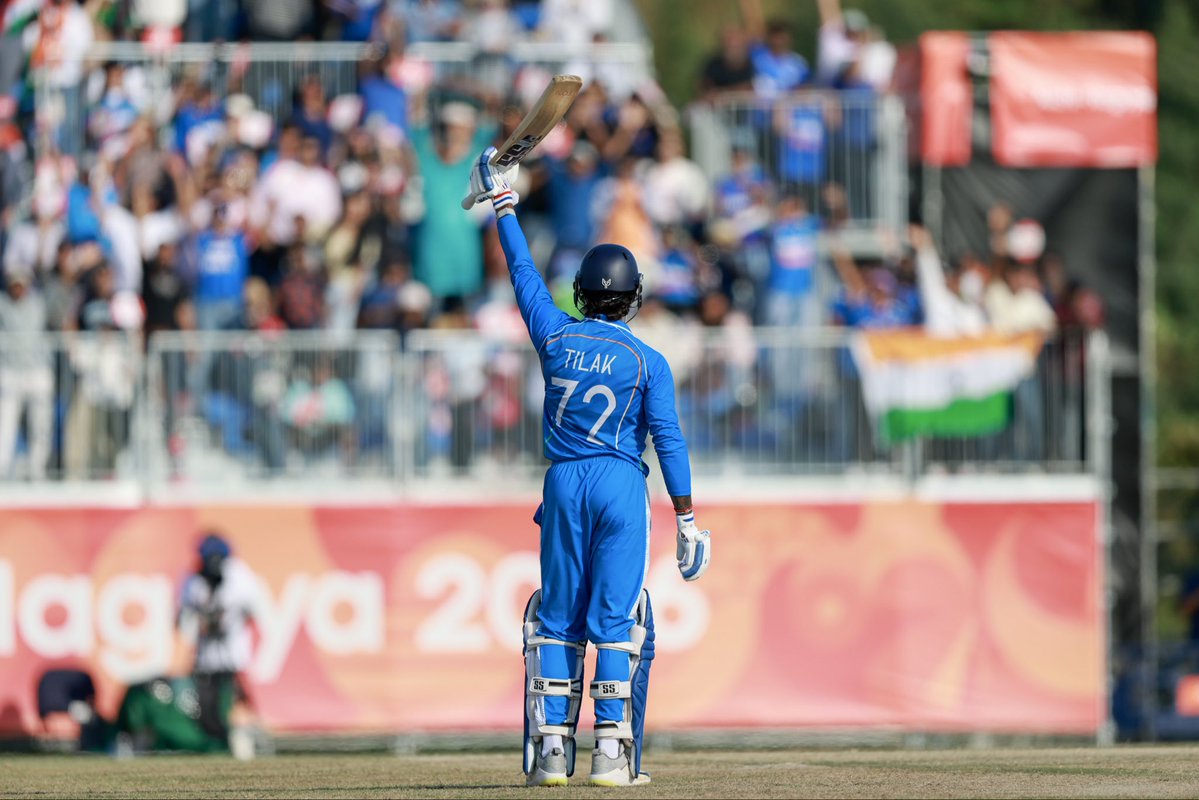
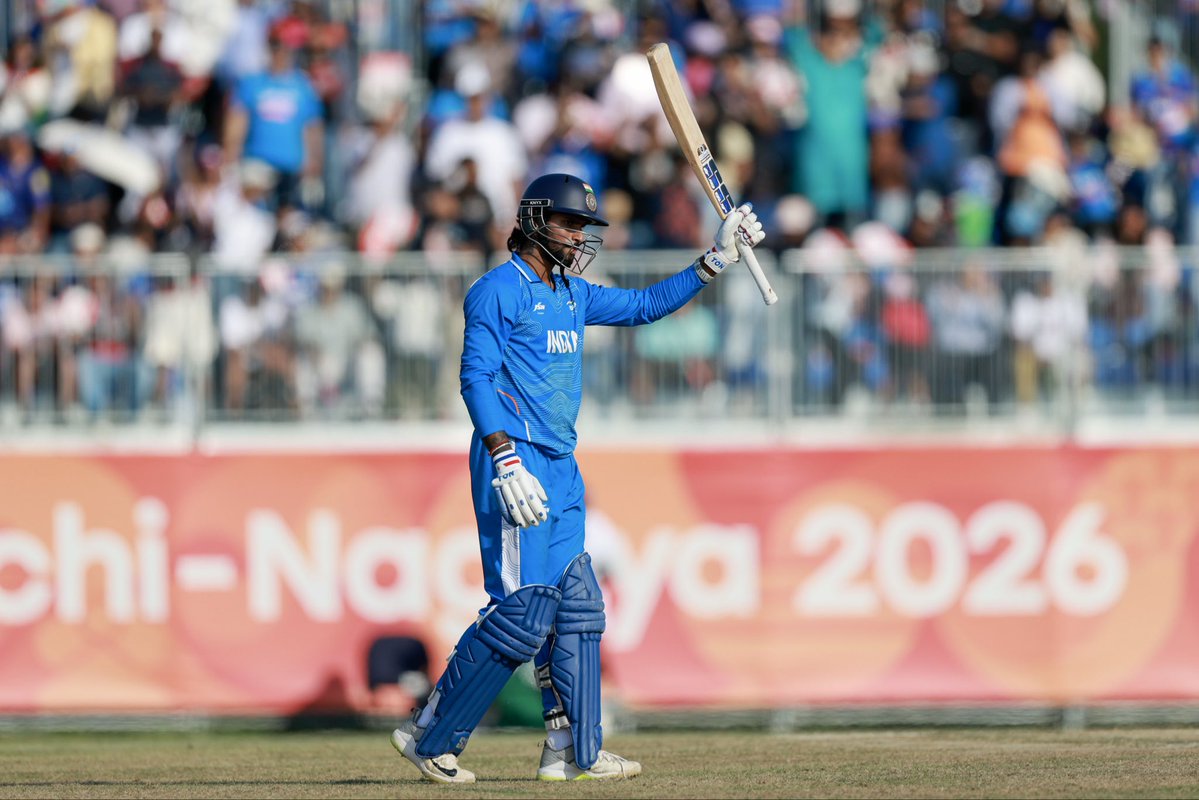
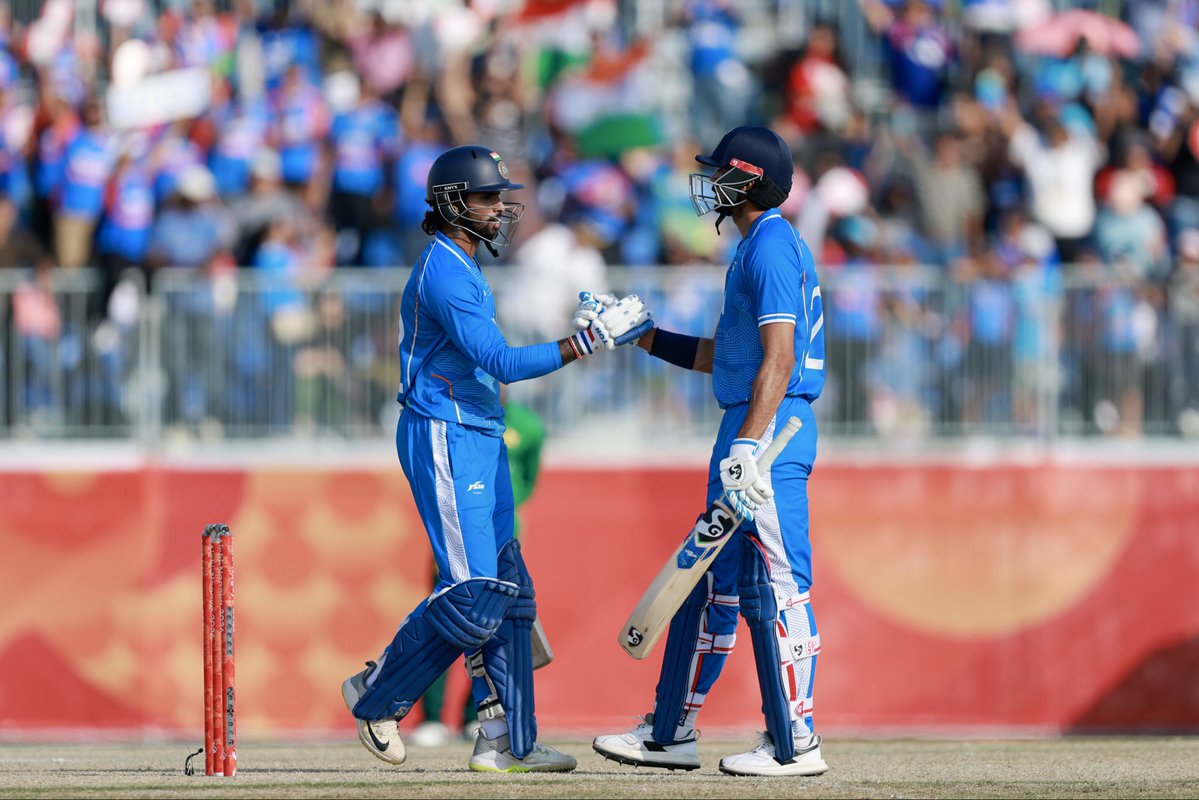
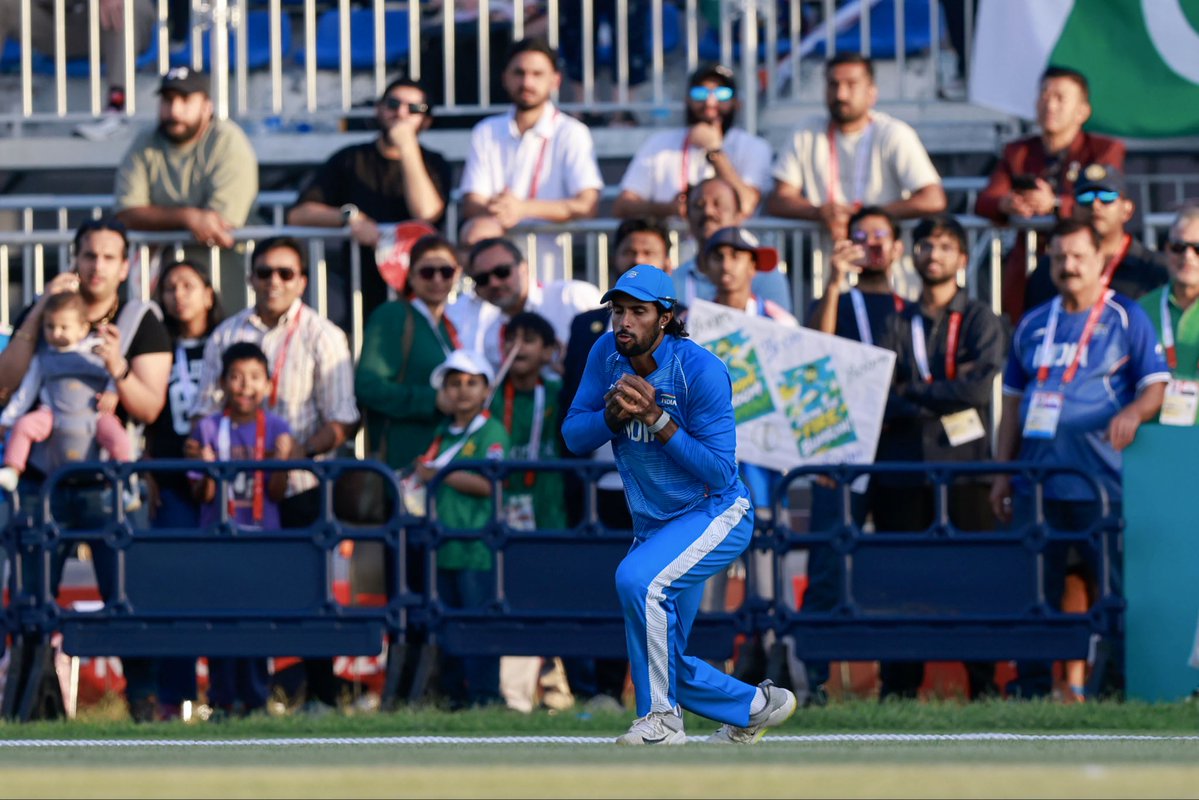
@DealsDhamaka @ravitej03 I’m surprised you didn’t think of this scenario before coming to the conclusion of owning the house
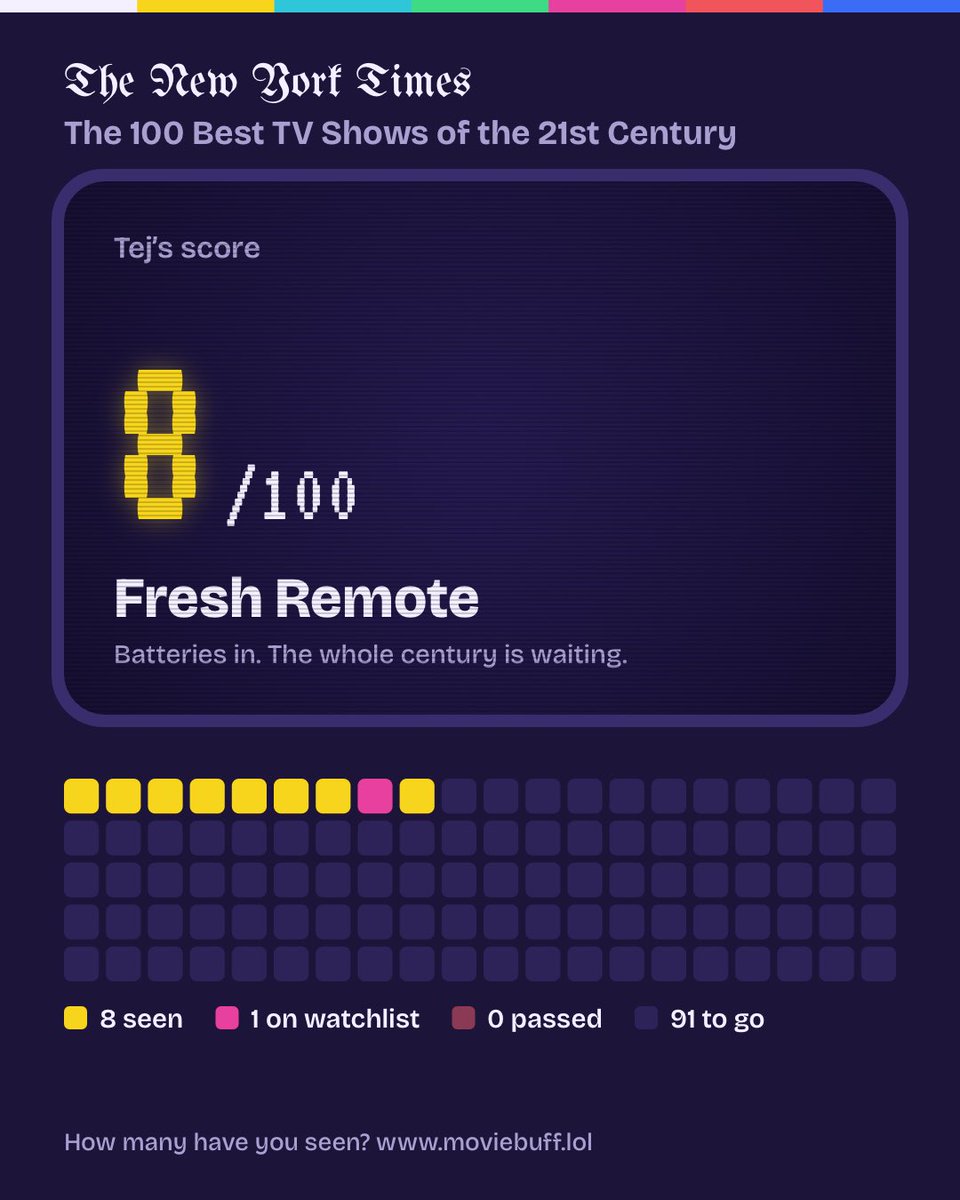
@benshapiro moviebuff.lol Here’s the list Shapiro - make a card for yourself
@TheLOSTworld_ x.com/krishtejj/stat…
guys - had couple of hours and some tokens to burn on a friday evening - built moviebuff.lol - get your scores. #newyorktimes @nytimes

michell brown @simplysavage222
58 Followers 217 Following
Garbhan @GarbhanQEx
1 Followers 192 Following
Adi @devsvn2
463 Followers 209 Following co-founder https://t.co/wYzIXKGWKe (800+ waitlist) | Applied ai @ https://t.co/VvLOjbTVdN | prev https://t.co/blt4XKSX6k | opinionated talks on tech

Bobsy the King @Bhabruboy
61 Followers 579 Following Bhoochakram Lover | Venna mudha hater | Brain eating amoeba
Nikhitha Reddy @itsmenikhitha
2K Followers 686 Following Building @tryengage_ (800+ waitlist) | MTS-1 @AVEVAGroup | Apprentice @jpmorgan | DM for collabs📥
😈 @SoverenMj
15 Followers 73 Following Entrepreneur | E commerce | Digital Marketing | Techie | 2M+ IG network | Traveller
𝑫𝒇𝒘 𝒔𝒂... @Zayden_Is_King
2K Followers 2K Following Proverb 26:12⚜️ not everything is meant to be understood.💫 living in the shade of my own thoughts 🔔 @blaqbones is him❤️

Silent @Silenteal
398 Followers 351 Following
k @kx6483074
0 Followers 1 Following
शिवानी �... @jaytusanatan
10K Followers 7K Following Simple girl 😎 | Big Dreams ✨ Family First ❤️ | Dil Se Desi 🇮🇳 Respect Everyone 🤝 | Fear No One 🔥
Dr Surabhi Solanki @SurabhiSol
334 Followers 343 Following Author & Philosopher | Decoding Advaita Vedanta | Medical Doctor & Pregnancy Educator

The Assembly Insights @lntheAssemblys
11K Followers 5K Following Macro analysis, market structure, and the trades nobody else is showing you. Access closed.
Binancians @BinancianonBNB
608 Followers 7K Following We are #Binancians Chinese Twitter: https://t.co/33hTKMv1he BinanciansCTO Chinese Telegram: https://t.co/1dceyOpspd
Bill Brooklyn Insight... @itsBilBrookly10
9K Followers 10K Following My philosophy: avoid permanent loss, embrace asymmetric reward, and let winners run. Markets are uncertain, but my process never is.

Common Cents @no_cents_here__
233 Followers 40 Following Professional overthinker & part time human. I’m currently holding it all together with one bobby pin and a dream. Follow for high-quality breakdown content
Tauhid IQ @iqtauhid
3K Followers 6K Following Helping entrepreneurs automate workflows, create content & grow with AI ⚡
Atul Kumar | Personal... @atul1602
6K Followers 4K Following Helping Indian families grow wealth 🇮🇳 10+ yr experience Mutual Fund | Insurance | Credit Card✈️ Real advice. DM wealth to get guidance.
Amit Kushwaha @amitkushh
2K Followers 1K Following I build products https://t.co/5hmtYezb7c (9K+ users), https://t.co/wJEArKdQ9B, https://t.co/NmIbh6Ynih DM for work/Collab
Venkatesh sunkara @palluvenky
46 Followers 318 Following Nursing superintendent,SCR Hard to understand people, trust is the only weapon to survive...

Andrew Guri @andrewgurio
2K Followers 3K Following Designer • Developer • Vibe Coder Building & launching real apps and SaaS.


Pranav Mailarpawar @pranvtwt
20K Followers 5K Following Creator of https://t.co/WTCuklKHQv (345K+ users) https://t.co/VTGXRikSTl https://t.co/bAk3TH8Vm4 ($600) https://t.co/nV9Mif3IEZ https://t.co/8Sqx5IyLLe https://t.co/uG1KtjZIpD
Tim Denning @Tim_Denning
153K Followers 50 Following Writer with 1B+ views that made me 7+ figures | Teaching high performers to build million-dollar digital businesses | Get my free guide below ↓
Andrej Karpathy @karpathy
4.4M Followers 1K Following
Deepinder Goyal @deepigoyal
1.0M Followers 11 Following Founder & CEO - @temple Founder - @zomato and @lataerospace Championing @feedingindia and Blinkit Ambulances
LAT Aerospace @lataerospace
8K Followers 1 Following

Kasak Gupta 🌻 @KasakGupta7
5K Followers 915 Following Software Engineer 2 @celigoinc Documenting lessons from tech, solo travel, and self-growth. Learning in public
Wulfie Bain @wulfie_bain_
10K Followers 280 Following @OpenAI Applied AI Engineering lead, Startups. Prev CTO/founder. Oxford. Small sparks ✨ & just working things out
Adi @devsvn2
463 Followers 209 Following co-founder https://t.co/wYzIXKGWKe (800+ waitlist) | Applied ai @ https://t.co/VvLOjbTVdN | prev https://t.co/blt4XKSX6k | opinionated talks on tech
Arpita Das @Arpitaaa01
10K Followers 390 Following Software Engineer @GoogleDeepMind | opinions are my own, posts are random
😈 @SoverenMj
15 Followers 73 Following Entrepreneur | E commerce | Digital Marketing | Techie | 2M+ IG network | Traveller
Donald Trump Stock Tr... @DJTRadar
472K Followers 21 Following We track Donald Trump’s trades so you do not have to. Subscribe to our Substack for real-time alerts: https://t.co/ZTahmc0gIi
Nikhitha Reddy @itsmenikhitha
2K Followers 686 Following Building @tryengage_ (800+ waitlist) | MTS-1 @AVEVAGroup | Apprentice @jpmorgan | DM for collabs📥

Dolphin Mishra @Dolphin_Mishra
10K Followers 7K Following | UFO | Aliens | Paranormal |Mysteries | Conspiracies | Weird News/Facts | Crime Stories | Gaming | PUBG/BGMI | India | Politics | History |


Sooraj Chandran @soorajchandran_
14K Followers 1K Following AI @justworks · I talk to myself a lot, I share some of that here. Hobbyist travel photographer • 2x founder • Living a dream with @keerthijay_
Uday @CoderYouDie
15K Followers 623 Following BTech CSE @ Hogwarts School of Witchcraft and Wizardry
Santanu Sinha @santanu_sinha
2K Followers 253 Following Chief Architect @PhonePe, compulsive coder, avid listener. https://t.co/7HF6lWrhKp https://t.co/uE4ox0ZIGb https://t.co/7dsDYExx3m
aijamayrock @aijamayrock
12K Followers 79 Following I make videos about the most fascinating things in the world.

Ananthan Ayyasamy @AnanthAyyasamy
22K Followers 551 Following BJP Tenkasi Dt President| Ex Engg Dir @intel USA | Founder/CEO- https://t.co/Cki3Sia5VD, https://t.co/cNSZiZ5rv2 , @voiceofTenkasi | Alum @ASU @ReachNITT @CDOT_India

M Mohan @mukund
61K Followers 182 Following Long term investor - https://t.co/9CsbGgAktB Day job: PE fund @IncVangal with investments in @yirlaagency, @peridotdev @fundamentell & 18 other startups
Rutuja @rutujax
9K Followers 798 Following Enabling agentic AI @meta @whatsapp. Love consumer tech, startups, tennis, good coffee & feeding my curiosity.
prathosh A P @prathoshap
27K Followers 182 Following Prof, EECS, IISc, IITD, Co-founder LatentforceAI | https://t.co/6xoL0JR37m All posts are personal.
Shan Reddy 🍎 @rshanreddy
3K Followers 2K Following Building AI that teaches @hey_aristotle. Previously @stanfordsymsys @cometeer
Cognition @cognition
193K Followers 8 Following Makers of Devin, the first AI software engineer. We are an applied AI lab building end-to-end software agents. Join us: https://t.co/4Ss9hvpjRG
❯ ~ 𝗨𝗧𝗛�... @uthman_dev
9K Followers 3K Following I write Go. (sometimes it compiles ;) Built https://t.co/RxMbEhlDFW More projects @ https://t.co/QVhZNSj0h6 I use Arch btw ;)
Craig Steinke @Craig_Steinke
49K Followers 24 Following Co-founder, CEO & Director of BluEnergies Ltd. A West Africa deepwater oil & gas explorer targeting Cretaceous basin floor fan plays. TSXV: BLU | OTCQX: BLUGF
Aakash Gupta @aakashgupta
336K Followers 874 Following ✍️ https://t.co/8fvSCtBv5Q 💼 https://t.co/STzr4nqxnm 🤝 https://t.co/SqC3jTyP03 🎙️ https://t.co/fmB6Zf5UZv
మన ప్రక�... @mana_Prakasam
21K Followers 55 Following Social Media Influencer | Politics Lifestyle Tourism | Sharing insights & trends |
शिवानी �... @jaytusanatan
10K Followers 7K Following Simple girl 😎 | Big Dreams ✨ Family First ❤️ | Dil Se Desi 🇮🇳 Respect Everyone 🤝 | Fear No One 🔥
Dr Surabhi Solanki @SurabhiSol
334 Followers 343 Following Author & Philosopher | Decoding Advaita Vedanta | Medical Doctor & Pregnancy Educator
Ghar Ke Kalesh @gharkekalesh
493K Followers 9 Following Shit-Poster|Entertainment|NEWS|SARCASM| MEMES|DM Us For Submission/Removal #1 Source For Combat Sports. For Ads/Collab DM Us

Flo Crivello @Altimor
52K Followers 1K Following Founder @getlindy. "Striving to remember the obvious over grasping the esoteric." Personal website: https://t.co/vmuHfsX9Aj

rumik @rumik_ai
4K Followers 2 Following research lab building the most human ai @iradotso api - https://t.co/IFAD3to2YS

Sidhaarth @Sidhaarthaaaa
1K Followers 397 Following
ARAKU Coffee India @arakucoffeein
8K Followers 136 Following Transforming the seed-to-cup experience ☕ Globally-acclaimed, 100% organic specialty coffee.📍Flagships in Paris & Bengaluru
Sam Altman @sama
6.4M Followers 1K Following The mission of OpenAI is to ensure that AGI benefits all of humanityTrends for United States
You might like


















