

BTP @BTPph
Joined May 2026-
Tweets173
-
Followers14
-
Following95
-
Likes264

Congrats bro @MwanjeGideon1, you are without doubt one of the most industrious young lawyers I know. Your work ethic, humility and commitment hv always set you apart. Jst keep the flame burning..

Two months ago, I walked into the LDC Legal Aid Clinic @LDC_Uganda as a Lawyer who thought law was in the textbooks. Last week, I walked out as a Lawyer who knows law lives in people. Practice is far different from mere citing sections of the law and I did not just pass

Detention Without A Bond Hearing Violates due Process. Globally, the rights of migrants on trial keep facing the similar fate! Speaking to an American friend recently in Benin at the world Social forum; he told me that USA courts currently are grappling with several questions of immigration. Even the 5th Circuit itself said in July that ICE could not constitutionally detain people for more than 90 days without providing hearings to argue for release on bond. Numerous lawsuits by migrants arguing they were being unlawfully detained have flooded the courts as ICE implemented Trump's mass deportation agenda. My take is simple; You cannot have a constitutional system where the executive can detain a person for months or years, and a court can never look at whether that detention is justified. A bond hearing is the minimum due process requires. This is a similar system even here at the Africa continent! Such policies should be condemned in their entirety! @FAIRImmigration @MarkSKrikorian @KenCuccinelli

Two months ago, I walked into the LDC Legal Aid Clinic @LDC_Uganda as a Lawyer who thought law was in the textbooks. Last week, I walked out as a Lawyer who knows law lives in people. Practice is far different from mere citing sections of the law and I did not just pass through. I worked. In less than 60 days, I handled 66 cases. Of those, I completed and closed 41 cases. Only 25 cases were left pending - i didnt just close these files; I always put up a fight in court and 80% of the families were always going jubilating. Out of the 66, 39 were brand new cases I opened myself. Clients who came with nothing but pain, and left with a file number , hope and a smile. Those who came thinking they can’t get Justice in the cold court rooms left with Justice. I appeared before 8 different Magistrates. I stood up, I said "Your Worship," a number of times, perhaps, atleast 7 times a day, and I represented people society has forgotten - the indigent, the confused, the old, the young, the prisoners who were so vulnerable, mothers with no one else. I saw families jubilate when their loved one walked out of a cell because of a bail application we fought for. A production warrant we secured for those that Justice had forgotten. I saw neighbors who had hated each other for years reconcile over one table at the clinic. I saw doors I knocked open for people who were told "the law is not for poor." But most of all, I listened and listened, and out of my constant listening I learnt the skill and strength which comes with active listening. I interviewed clients who cried in front of me. I heard stories that changed how I see life. I learned that behind every file number is a human being whose entire world depends on whether you show up for them. I learned how ADR resolves matters amicably! To my supervisors, my fellow clerks, and every client who trusted me with their story - thank you. The struggle continues.
Today marks one year since we lost Angella. One year since the voice that refused to be silent went silent. One year since we lost Namirembe Angella not just a young woman, but a young patriot. And I still don't have the right words because how do you write a tribute for someone who spent her entire life writing, speaking, and fighting for others? Only to untimely meeting her kismet. I say this with a sigh! Angella was not the kind of patriot who waved flags for cameras. She was the rare kind. The kind who looked at a broken system and said, "I will not adjust to this." The kind who saw oppression not as a headline, but as a neighbor's pain. She dedicated her young, brilliant, burning life to fighting the things many of us have learned to live with. The corruption. The injustice. The silence. She believed Uganda could be better, and she was willing to pay the price for that belief with her time, her comfort, her safety, and her voice. She fought for the voiceless when it was not fashionable. She spoke when it was easier to stay quiet. She stood when it was safer to sit. And then, the very brokenness she was fighting claimed her. It is the cruelest irony of our nation, and the deepest wound in this story. That a fighter for justice would be taken not by the struggle itself, but by the poor, neglected, collapsed medical trauma care system she had written about, warned about, cried about in her advocacy. The system she wanted to fix is the system that failed her when she needed it most. No ambulance in time. No trauma center equipped. No emergency response worthy of a human life. Just the same helplessness that kills the poorest boda rider, the same negligence that kills the mother in labour in a village. Angella died as an ordinary Ugandan, a victim of the very ordinary injustice she fought against. That is what breaks us the most. One year later, the pain has not softened. It has only become clearer. We do not just miss her laughter. We miss her courage. We miss the future she was building. We miss the advocacy she would have headed this year. We miss the battles she would have won for us. I miss my friend! But if you knew Angella, you know mourning is not what she would want. She would want us to be angry. And then to act. So today, we will not just say Rest in Peace, Namirembe Angella. We will say: Your fight did not die with you. We will remember you not only with tears, but with work. We will continue to point at the broken systems you pointed at. We will continue to shout about the trauma system that has no beds, no doctors, no drugs. We will continue to be the patriots you taught us to be not patriots of a party or a person, but patriots of the people. You lived so that others could live with dignity. You are gone, but your patriotism refuses to die. Continue to rest in power, our dear Angella. The struggle continues, and your name is now permanently written into it.
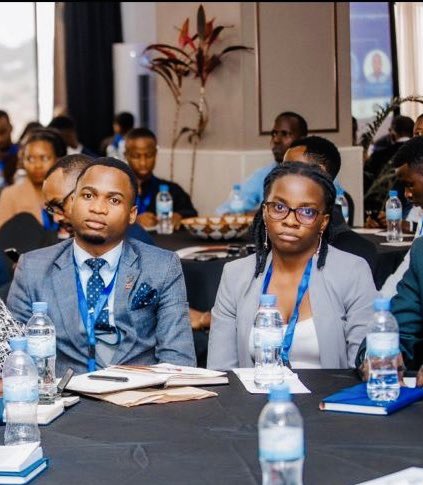
Update on Dr Helen Haines MP.
Ugandan lawyer urges AU to reject Europe’s migration deals - Voice For African Migrants! share.google/PmRw390tguSNOG…
Navi Pillay, a former @UNHumanRights Chief, has just won the 2026 #NobelPeacePrize. "She has been a staunch defender and advocate of human rights. It is important in this day and age to see that acolade being awarded to those who are speaking out on violations of human rights."

Sitwasyon sa Pilipinas: May sapat na kakayahang humarap sa paglilitis si Rodrigo Roa #Duterte ⤵️ icc-cpi.int/news/situation…
Today in Addis Ababa, Ethiopia I entered a Uber- Yango taxi , and the moment the driver heard that I was Ugandan, he didn't ask about politics, he asked about Eddy Kenzo, @eddykenzoficial That hit me. Bro, your music crossed borders before we did. I smiled the whole ride. That's when i realized the power of representing your country well. One artist, one dream, has made Uganda a household name across Africa. Big up Eddy Kenzo - the world sees you and loves you! Keep doing your thing. You are a Star!
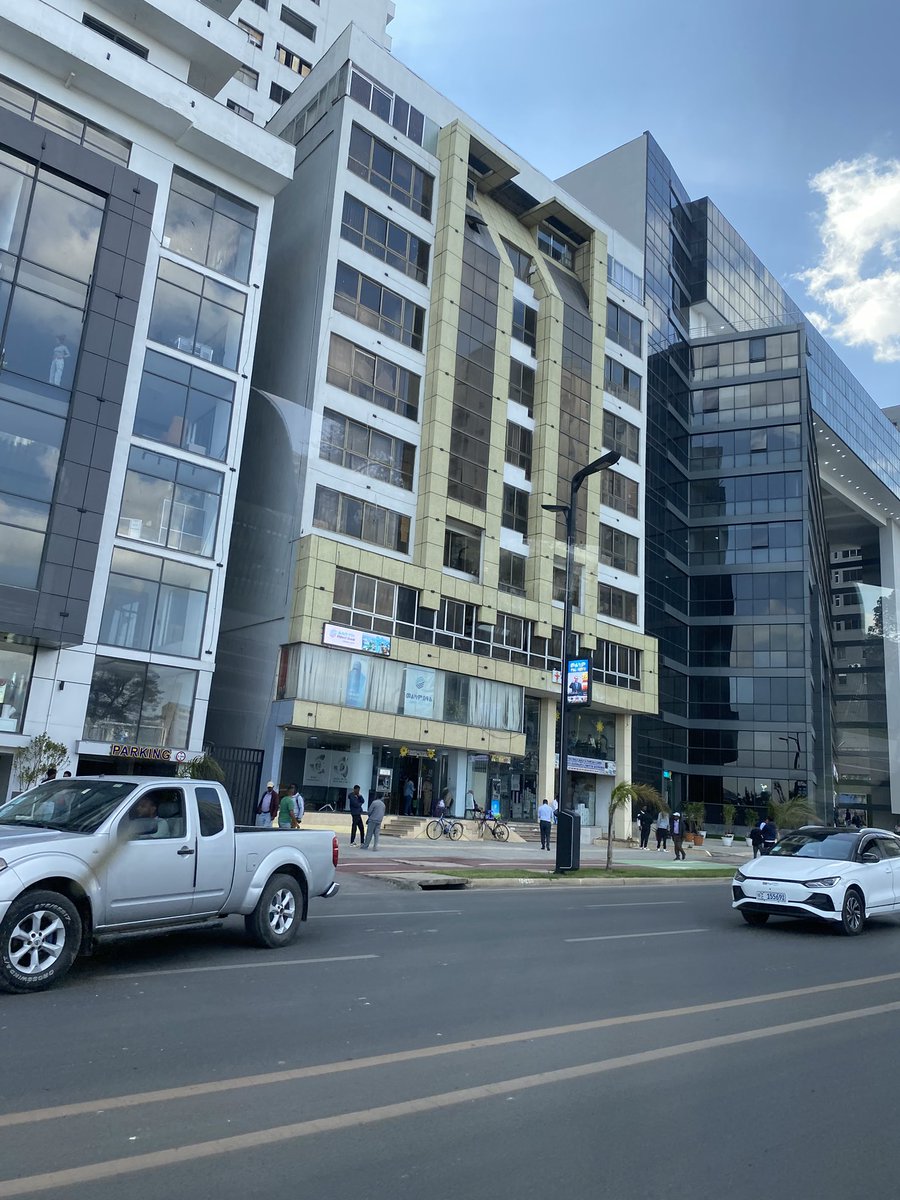

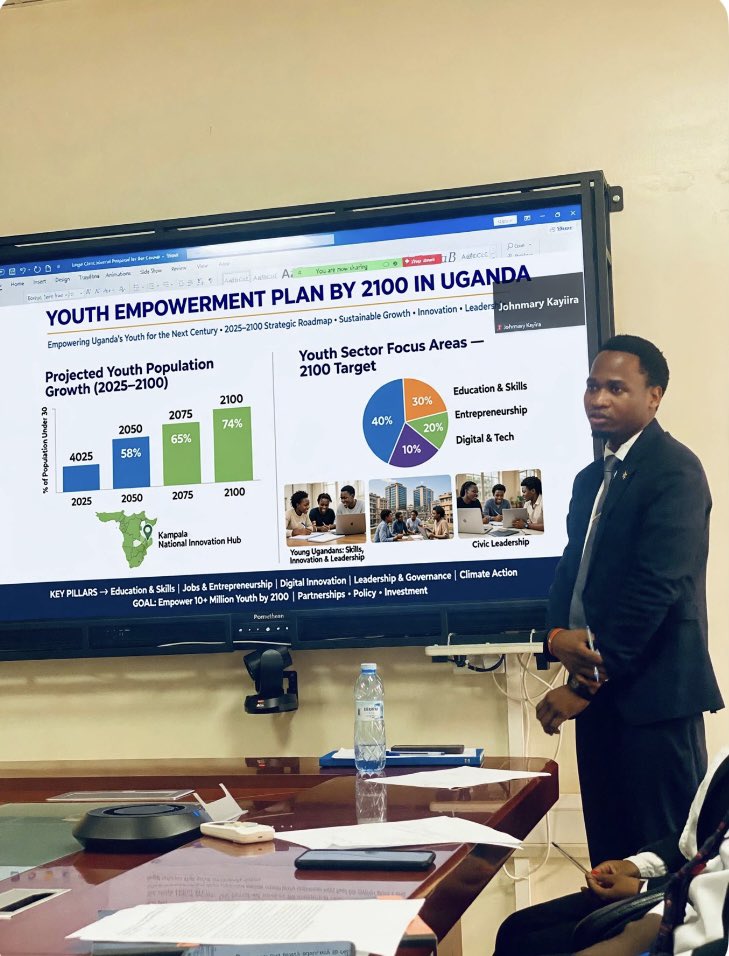
Today, at the African Union Headquarters in Addis Ababa. It was a privilege to stand at the heart of Pan-Africanism – the AU – and formally submit my Four-Point Urgent Plan for Africa. Africa does not need more pity. Africa needs a plan. And Africa needs the courage of its young people to implement it. Here is what I presented: 1. Youth Empowerment as Continental Security Strategy. Over 60% of Africa is under 25. This is not a crisis to manage but a dividend to invest in. We cannot continue to have youth policies written as appendices. I called upon the AU to mainstream youth into trade, digital economy, Technology, governance and talent development, focusing on talents such as Sports. 2. A Call Against Externalisation. I was unequivocal: The AU must take a common position against the externalisation of European borders onto African soil. These opaque trade deals where African countries are paid to detain, deter and contain African migrants violate international obligations and the very spirit of the AU. We cannot be preaching a borderless Africa inside while selling our borders outside. 3. Digital Currency for Cross-Border Transactions. As a believer in a borderless Africa, I urged the AU and AfCFTA Secretariat to fast-track a Pan-African digital settlement currency. It is absurd that in 2026, an intra-African trader in Addis paying a supplier in Kampala still routes through the dollar and loses 8-10% in fees and 3 days in time. If we want to trade as one Africa, we must pay as one Africa. A digital currency is not futuristic – it is urgent as we wait for a common physical currency that requires steps. The African Union must condemn and call for an end to all Externalisation deals with European countries. They are neither humane, nor Pan-African. They commodify African youth and outsource human rights responsibilities. 4. Lastly, the freedom of movement across Africa remains severely restricted for the very people who live here. Africans still face endless paperwork, long delays, and steep fees just to visit neighboring nations. This is especially frustrating for citizens, civil society members, and entrepreneurs visiting major African diplomatic hubs such as Addis Ababa, Banjul, and other cities hosting key African Union organs. A borderless Africa cannot be built by building walls for others. I thank the officials at the African Union Commission who received the submission and engaged deeply. The work now continues. The Africa We Want is not a slogan – it is a decision we must make daily. #TheAfricaWeWant #Vision2100 #AfCFTA #BorderlessAfrica #YouthEmpowerment #StopExternalisation #AfricanUnion #AddisAbaba



Five years ago, the UN Human Rights Council recognized that everyone has the right to a clean, healthy and sustainable environment. Since then, more States have recognized the right nationally, and it has become part of major international decisions on climate change, biodiversity and pollution. Today, more than 85% of States recognize the right in some form. That recognition changed the human rights equation. Clean air and water, a safe and stable climate, healthy ecosystems and biodiversity, and protection from toxic substances are not simply environmental goals. They are part of what every person is entitled to enjoy. That means people have rights, and States have obligations. That means people need access to environmental information and a real say in decisions that affect them. They must also be able to challenge environmental harm and seek a remedy when their rights are violated. States, in turn, have a duty to make these rights effective in practice. Courts around the world are already applying it, with decisions that better protect people and the planet. In in recent advisory opinion on climate change, the International Court of Justice recognized a clean, healthy and sustainable environment as essential for the effective enjoyment of human rights and held that States had a duty to prevent harm to the environment, including the climate system. Today, environmental crises remain among the greatest threats to human rights. The next step is to close the distance between recognition and reality, through concrete measures to ensure everyone can actually enjoy this right.

Today in Ethiopia 🇪🇹 interested myself in a very crucial 3 day event that closed today; The Africa Policy Forum on Natural Capital 2026, it is a high-level continental event taking that started from October 6 Upto today, in Ethiopia Co-hosted by the African Development Bank Group (AfDB), the World Bank Group’s Global Program on Sustainability, and the Government of Ethiopia, the forum focuses on moving Natural Capital Accounting (NCA) from conceptual data into practical, real-world applications. This year’s conference was Under the theme “From Accounts to Policy: Positioning Natural Capital Accounting for Africa's Policy, Finance and Investment Transformation,” I submit that while natural resources and ecosystem services generate roughly about 60% of Africa's GDP, they are historically undervalued in national accounts, budgets, and credit ratings. Uganda serves as the definitive proof of concept for the Africa Policy Forum on Natural Capital. It provides a forum for how African nations can leverage their environmental assets. As the historic host of the inaugural forum in Kampala in November 2019, Uganda did not just spark a continental dialogue, it catalyzed the formation of the Africa NCA Community of Practice (CoP), which has now expanded to 48 nations. @WorldBankGroup @WorldBankAfrica @GovUganda @NatCapFinance @_AfricanUnion @UN
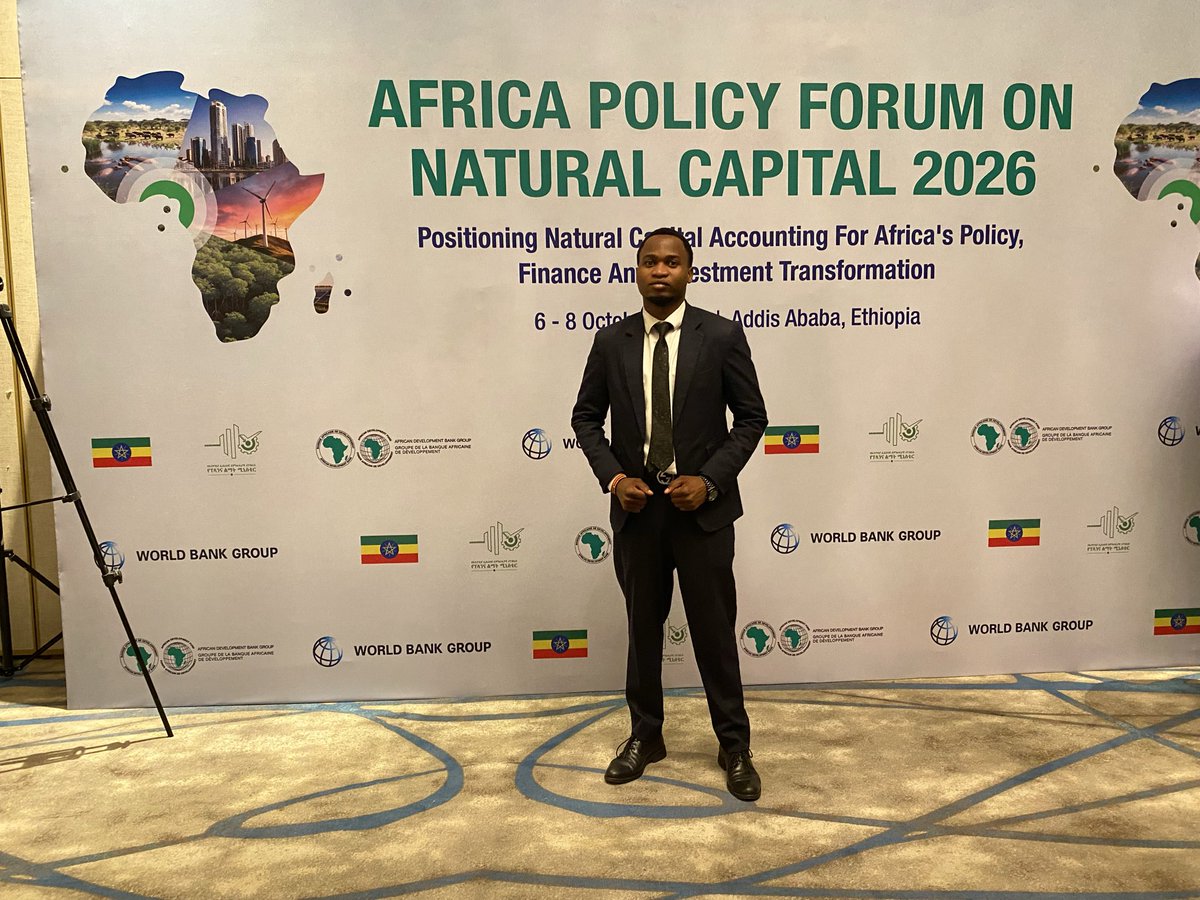
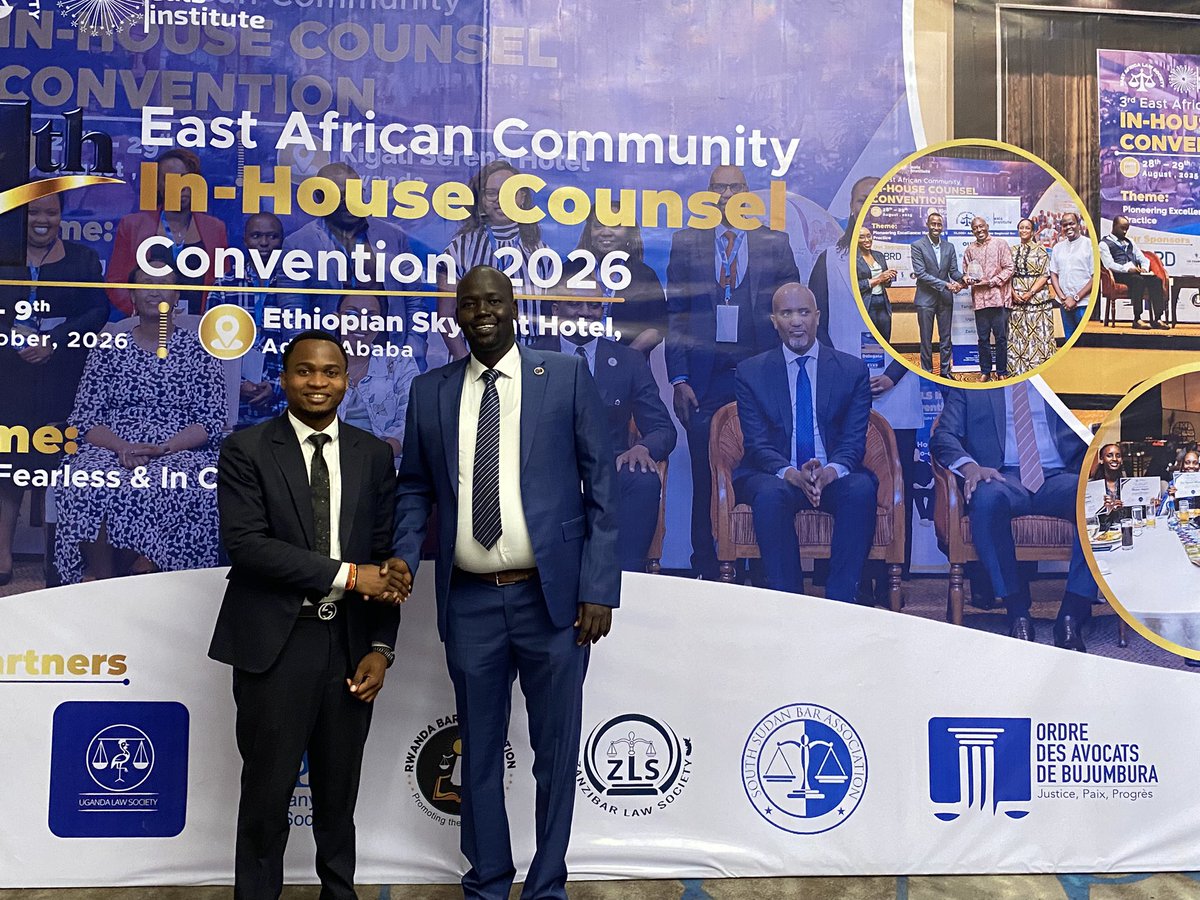
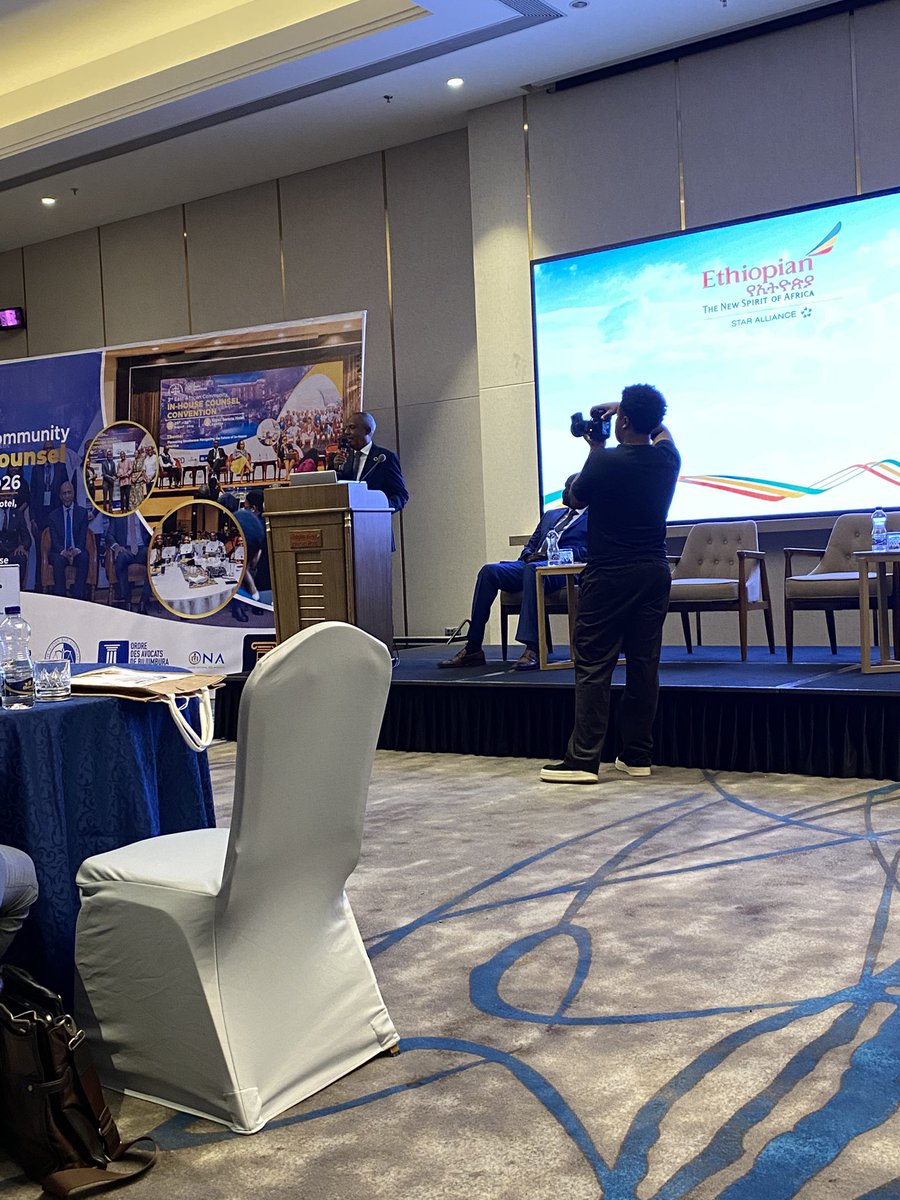
Today while in Ethiopia 🇪🇹, It has been a privilege to participate in the 4th East African Community In-House Counsel Convention held at the Ethiopian Skylight Hotel in Addis Ababa , a truly pan-African convergence of corporate counsel, regulators, bar leaders, and business executives shaping the future of legal practice in our region. As in-house counsel, we often operate behind the scenes – managing risk, enabling transactions, and safeguarding institutions. This convention reminded us that we are not just legal advisors, but strategic partners in the boardroom. The highlight for me was the keynote address by Mr. Mesfin Tasew, Group CEO of Ethiopian Airlines. Hearing from the leader of Africa's largest and most profitable airline was transformative. He spoke not about law in isolation, but about leadership, resilience, and institutional growth – how Ethiopian Airlines grew from 14 aircraft to over 147, with $9.1B revenue under Vision 2040. What struck me most was his perspective on the General Counsel. He described the modern GC not as a cost center or a "no department", but as a co-pilot in business strategy to enable business. He changed my perspective fundamentally from courtroom lawyering to boardroom lawyering. He emphasized that the best legal advice is that which understands the business, anticipates turbulence before it happens, and helps the board navigate with both compliance and commercial sense. It was a masterclass in appreciating boardroom lawyering to the fullest where law meets leadership, governance, and long-term value creation. Beyond the sessions, the convention was rich in peer engagement. I had the distinct honour of interacting with the President of the South Sudan Bar Association, the President of the Rwandan Bar Association, and the President of the Ethiopian Bar Association. Our conversations underscored a shared vision: the need for stronger regional bar collaboration, harmonization of standards for in-house practice, mutual recognition, and a unified voice for the East African legal profession under the EAC integration agenda. From comparative insights on regulatory challenges in Juba, Kigali, and Addis, to shared aspirations for ethical, independent, and business-savvy counsel – these exchanges reaffirmed that while our jurisdictions differ, our mission is the same. My sincere gratitude to the organizers of the EAC In-House Counsel Convention @ealawsociety , the Ethiopian Skylight Hotel for the exceptional hospitality, and to all delegates who made this a memorable learning experience. Looking forward to carrying these lessons back to practice and to continued collaboration across the region. @flyethiopian @ug_lawsociety @Rwanda_Bar @ethiobar #EAC #InHouseCounsel #EastAfrica #BoardroomLawyering #GeneralCounsel #EthiopianAirlines #SkylightHotel #AddisAbaba #Leadership

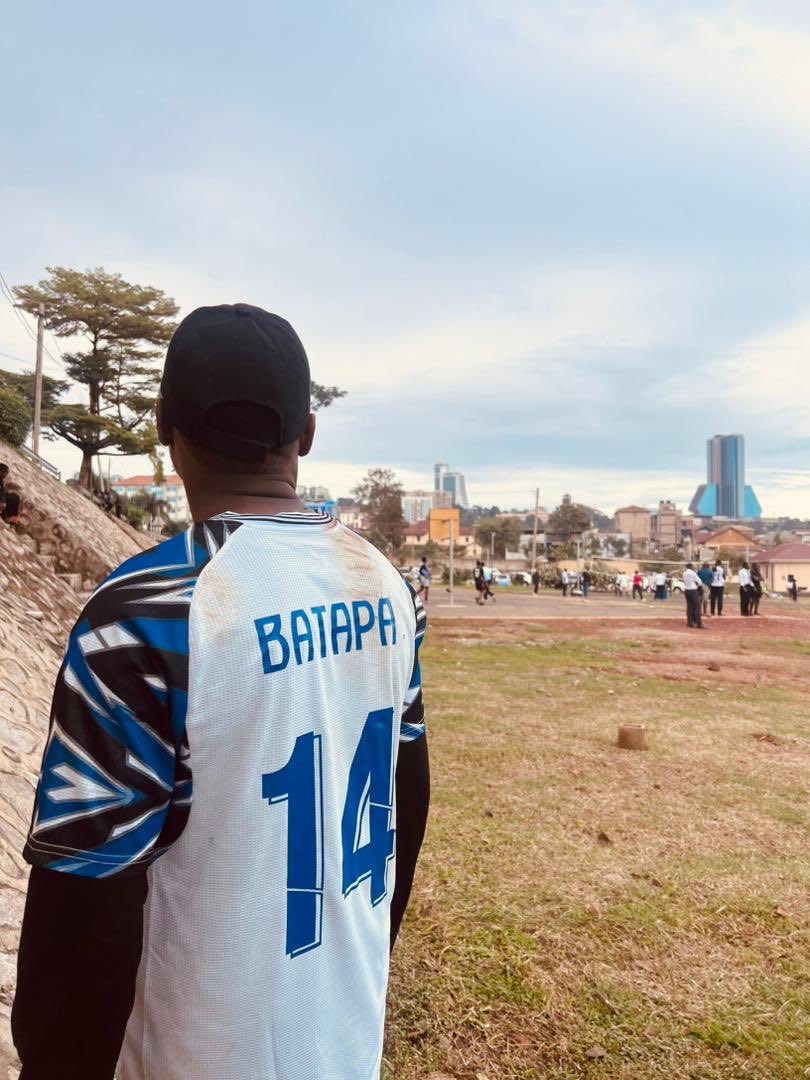
Uganda is approaching 64 years of independence having gained sovereignty on Oct. 9. 1962. Our governance frameworks remain visibly anchored in 20th-century archetypes. In an era where post-colonial statehood demands dynamic economic diversification, our leadership continues to view physical sport through an obsolete lens: as mere leisure, physical exercise, or a high-school co-curricular pastime. This wrong oversight ignores a fundamental truth of the modern global economy, sports is no longer recreation; it is a multi-billion-dollar global industry driving GDP, direct foreign investment, tax revenue, and youth empowerment. For a nation bearing one of the highest youth unemployment rates globally, continuing to relegate sports to the economic periphery is a major governance failure. Reclaiming our national pride and unlocking youth potential requires recognizing sports as a critical macroeconomic pillar. Globally, the sports sector generates over $500 billion annually, driving massive value through television broadcasting rights, commercial sponsorships, merchandise, real estate, and sports tourism. Across Africa, modern sports ecosystems demonstrate how athletic talent translates directly into foreign exchange and sustainable local development: Sadio Mané (Senegal): Beyond his athletic accolades, Mané operates as an economic institution in Senegal. He has funneled over $20 million (approx. 11.7 billion CFA francs) of personal earnings back into his hometown of Bambali. His investments ranging from hospital construction and schools to a $20 million agro-industrial processing facility have created over 1,000 direct jobs, reduced localized poverty, and expanded Senegal’s domestic capital base. Mohamed Salah (Egypt): Salah contributes millions in direct remittances and tax revenues while funding major medical facilities and youth training institutions across Nagrig and Cairo. His international presence acts as a soft-power marketing engine, boosting Egypt's national brand and tourism revenues. The economic value of athletic exports is not an abstract concept in Uganda. It is an underfunded reality. Consider the domestic example of playmaker Allan Okello. His professional movements from KCCA FC to Moroccan club AS FAR Rabat, and his high-profile transfer to Tanzania’s Young Africans (Yanga SC) valued at approximately $500,000 (over UGX 1.8 billion) demonstrate the immediate monetary influx that skilled talent generates. If Uganda produces 1,000 elite athletes operating at Allan Okello's market value across various international disciplines (football, athletics, netball, basketball, cricket), the economy would see an direct capital injection exceeding $500 million (over UGX 1.8 trillion) in foreign currency inflows, transfer fees, and player remittances. Currently, Uganda approaches sports facilities reactively. The construction and renovation of Namboole Stadium and Hoima Stadium are largely driven by the immediate pressure of hosting the AFCON (PAMOJA Bid) tournament, rather than a long-term economic development strategy. While these developments are welcome, building infrastructure solely to meet tournament deadlines reflects short-term planning rather than structural vision 2100+. Uganda's demographic structure presents both a challenge and an opportunity: over 75% of the population is under the age of 30, accompanied by high youth unemployment and underemployment rates. Investing in a formal sports sector turns youth talent into a sustainable export pipeline: A formal sports industry creates jobs beyond professional athletes, supporting sports medicine practitioners, physical therapists, data analysts, sports journalists, talent scouts, facility managers, and manufacturing workers for sports apparel. It should be remembered that active engagement in structured academy pathways diverts young people from urban crime, substance abuse, and replacing social rehabilitation costs with productive economic output.
I have said this before , traditional sectors like agriculture and tourism have dominated public discourse and policy frameworks as the primary engines of our economic growth. It is true these industries remain structural pillars of our economy, however, relying on them as the sole solutions for modern youth unemployment reflects a critical failure to adapt. The nature of work, enterprise, and value creation has fundamentally shifted from that @NRMOnline as NRA envisioned in the early 1980s. Today, sports, content creation, technology and the entertainment industry represent the fastest-growing global economic frontiers. They are no longer merely forms of leisure; they are high-yield commercial sectors capable of absorbing millions of young Ugandans, talented individuals into high-value employment, digital entrepreneurship, and exportable cultural services. What else beats this? Look at the very many youth content creators who are struggling to earn a living, in other countries, these are powerful economic forces! To build a resilient economy, leadership must rethink its developmental hierarchy from the 20th century mindset to a 21st century mindset. I submitted sometime that we shouldn’t just build infrastructure because we are hosting AFCON, International conferences, CHOGM etc. This is wrong! My father used to tell me that failure to plan is planning to fail. When we lack vision and its workable plan we tend to be a sailing boat without a campus; whose direction is decided by the rocks it hits in the journey course! Sustaining economic development requires rejecting legislative inertia and functional mediocrity. The modern state must align its policy priorities with the dynamic realities of its demographic majority, the youth. Transitioning focus from legacy 20th century approaches to the digital and creative economy is the way to improve tourism and Agriculture! Cc: @SamBegira , @MwineTumwebaze @KanyesigyeMerc1 , @Wanyamajudas
@CarolPrim3 I think we are killing true civic duty: When cleaning becomes a punishment, people hate their country. The best clean cities -Kigali, etc succeeded because they educated and inspired, they did not beat and force. Kicking someone out of their home is very wrong.
Do not repeat the mistakes of your predecessors. Entered parliament only to fall into silence while the youth continue to struggle with unemployment, lack of opportunities & injustice. This time, we aren’t allowing your silence anymore. @KanyesigyeMerc1 @SamBegira @KakwanziLiz

⚖️ TriteLaw🇺�... @TriteLawUG
10K Followers 10K Following Know the Law, Advance Justice. Inspired by Malcolm X & Raila Odinga. Legal updates & opinions Not legal advice. [email protected]
Skyelar Chase ✪ @skyelarChasex
766 Followers 820 Following Content Creator. Realtor. Financial Advisor. Retired young. Tweets = Opinion
Kelly | Finance & Car... @financKelly
676 Followers 1K Following sydney • consultant by morning 👩🏻💻passive income, making money make sense #XRP news #ETF IG: growwithkell
The shy one @thee_shy_one_
150 Followers 131 Following Music addict 🥰 |Man United 💯 | Student at MUBS | Here for fun and vibes💋
Eliab Ikyiriza @EIkyiriza
22K Followers 21K Following An Educationist @LiteracyinUg| x-Academic Sec. @UCU_Alumni| 3rd Generation Mukiga Pew Christian| Loves Sad Old Country Music


Mutugyi @Shaphich
5 Followers 168 Following
Pasquale Lochul @PLochul
81 Followers 883 Following What you treasure,you approach it with passion,you don't have to be moved over it,your conscience gives the choice to have it or not..

Murungi Francis @MurungiFra2023
144 Followers 490 Following
Godwill Fred @godwill_lokwang
1K Followers 1K Following Man United || A pAn 03 TWT ,KIU-WC ||11th Guild minister of information & Public Relations KIU,WC |A peer educator||An Engineering Student||Certified hustler||
Research Club NU SLAW @ClubSlaw
41 Followers 39 Following This is the Official Twitter X page for Nkumba University Research Club -School of Law
Mallamsasida @Mallamsasi
476 Followers 2K Following
Amira Camira @AmiraCamiruc0
9 Followers 97 Following
Ronnie Kigozi @sronald31932579
270 Followers 1K Following
Robert K. @bob57223610
636 Followers 189 Following Real Estate, Mortgage Broker, Professional Truck Driver now. Family man, animal lover. Independent.
So. M @SoM83383085
69 Followers 148 Following
Marie Devine @MarieKDevine44
273 Followers 131 Following I present God's written wisdom in Bible & Quran to show solution to the war in Iran. Physical anointing from God: All power of Moses & more you have...
Nimusiima Coletta @Coletta2002
272 Followers 109 Following
Kigongo🇷🇼🇺�... @ENamugabe96082
10K Followers 8K Following Isaiah 60:20 arsenal Fan Anglican is my religion loving and humble 🙏
komakech Isaac @komakechIs7e
4 Followers 119 Following
Midah Tiff @MidahTiff
1 Followers 28 Following
Mugisa James @JamesMugis33488
2 Followers 21 Following


Team Mukono Cares @teammukonocares
1 Followers 15 Following Let's support those who are in need through sports 🙏🙏🙏
Eddy @Eddy7edr
3 Followers 50 Following
Mutugyi @Shaphich
5 Followers 168 Following
roberswizy @roberswizy
9 Followers 64 Following
GOODDOCTOR @gooddoctorUg
1 Followers 33 Following Democratic Leader,Human Rights Activist,Nationalist.
John Paul @JohnPaulxcmp
1 Followers 72 Following
Pasquale Lochul @PLochul
81 Followers 883 Following What you treasure,you approach it with passion,you don't have to be moved over it,your conscience gives the choice to have it or not..
The shy one @thee_shy_one_
150 Followers 131 Following Music addict 🥰 |Man United 💯 | Student at MUBS | Here for fun and vibes💋

UNICE 🦋 @Unice76193933
4K Followers 4K Following YOUR OPINION MATTERS. JUST NOT TO ME. living // learning and // growing.



Susana susana @SusanaSusanas33
8K Followers 3K Following

Eliab Ikyiriza @EIkyiriza
22K Followers 21K Following An Educationist @LiteracyinUg| x-Academic Sec. @UCU_Alumni| 3rd Generation Mukiga Pew Christian| Loves Sad Old Country Music
ROYAL DNIZ UG @DenisOsauro
23 Followers 181 Following Accountant by profession, and a business consultant


Alanz Mwesigwa @AlansMwesigwa
4K Followers 5K Following @Nextmediaug, @nbstv Bureau Chief Bunyoro Region, @sanyukatv , @NBSportUg , I love God #NbsUpdates #Nbsmorningbreeze #Nbsliveat9
Carol Prim ❤️🤭 @CarolPrim3
94K Followers 21K Following What God Cannot Do Doesn’t Exist || Social Media Influencer || Civil Engineering || 30700
Kasozi Richard @kasozi_ric7152
4 Followers 34 Following
@mitooma's Finest @mitoomafinpre
229 Followers 762 Following Mitooma's Finest,, God fearing child,, arsenal supporter. God fights battles you can not see & wins victories you'll celebrate soon.
Angel Namuddu @AngellaMadrine
130 Followers 86 Following

Godwill Fred @godwill_lokwang
1K Followers 1K Following Man United || A pAn 03 TWT ,KIU-WC ||11th Guild minister of information & Public Relations KIU,WC |A peer educator||An Engineering Student||Certified hustler||
Lyon Godwin @LyonGodwin1
111 Followers 843 Following

Mr.Ham Kay @WHOTFisHamzah
165 Followers 973 Following Mr .Hamzah is a Data scientist, filmmaker, thinker. Passionate about storytelling and using data to drive change.
Scove🇷🇼🇺🇬... @deafworld256
16K Followers 14K Following God ,cows, milk ,ekyanzi, bachwezi ( culture at heart) and Manchester united ❤️❤️
Murungi Francis @MurungiFra2023
144 Followers 490 Following
Reezy ✌️ @okiyaronald6
18 Followers 160 FollowingTrends for United States
You might like


















